
Engineering
by Meesha Patel
/prod01/channel_4/imperial-news/media/images/landscape-3000X2000/20260219_154118-(1).jpg)
All labs across the department have now earned the Gold LEAF status marking a major milestone in sustainable research.
The Department of Immunology and Inflammation has become the first in the university to achieve Gold LEAF certification across all its laboratory spaces. The department occupies labs on the 4th, 5th and 9th floors of the Commonwealth building at Imperial College London’s Hammersmith Hospital Campus.
The awards for the 4th and 5th floors join the earlier award to the Centre for Inflammatory Disease on the 9th floor who were first accredited in 2024.
This milestone reflects a genuine community effort, and while Paul Coote, Laboratory Manager, and Neil Galloway-Phillipps, Senior Laboratory Manager, led the formal written submission, researchers, students, and technical staff on every floor contributed the evidence and practical changes needed to meet the gold standard.
Established by UCL, the Laboratory Efficiency Assessment Framework is a certification scheme designed to improve sustainability within higher education teaching and research. The first Gold LEAF certificate was awarded at Imperial College London in 2021-22 and the framework allows laboratory managers from all departments to identify actions to implement in lab operations to make laboratories more efficient and sustainable.
As part of the process, LEAF assessors visited each lab within the department to review criteria, verify evidence and confirm that the sustainable practices were embedded in the everyday work.
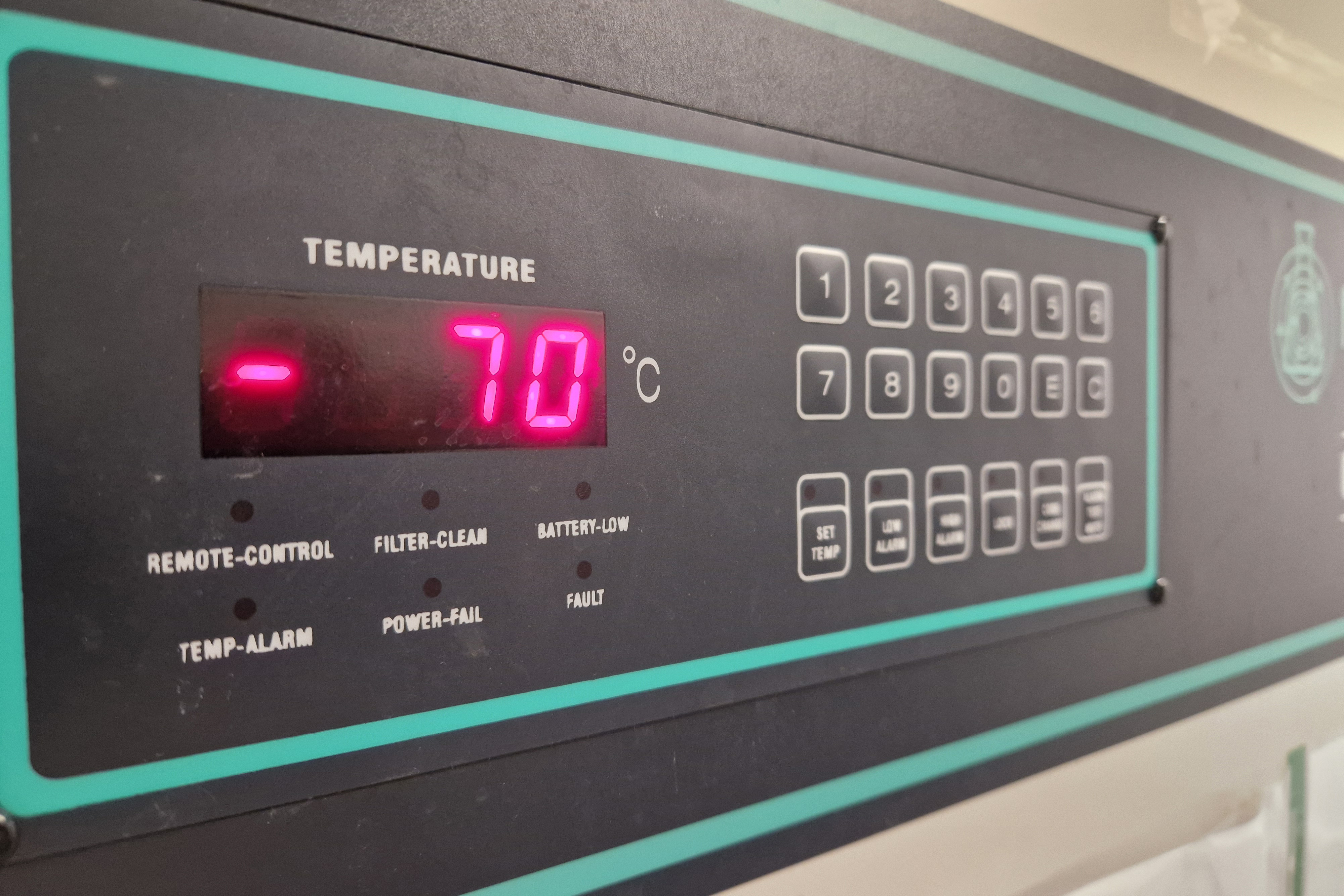
One of the most impactful changes in the department came from targeting the ultra-low temperature freezers which are usually the highest energy devices in wet-lab research.
Neil Galloway Phillips, Senior Laboratory Manager said, “A -80°C freezer uses roughly the same daily energy as a three-bedroom home, while switching to a –70°C reduces energy consumption by a third.”
The LEAF energy calculator helped labs identify the highest energy devices. Neil said they found one researcher who still was using an old energy inefficient freezer: “One lab was using an old freezer from the 1990s which was consuming 25kWh of electricity per day. That’s triple the electricity use of the average UK household.”
Through temperature optimisation and replacing older freezers, now the seven total freezers in the department save an estimated £10,000 of electricity per year. Energy savings were further improved by ensuring that all lab equipment is switched off when not in use, including tissue culture incubators and centrifuges.
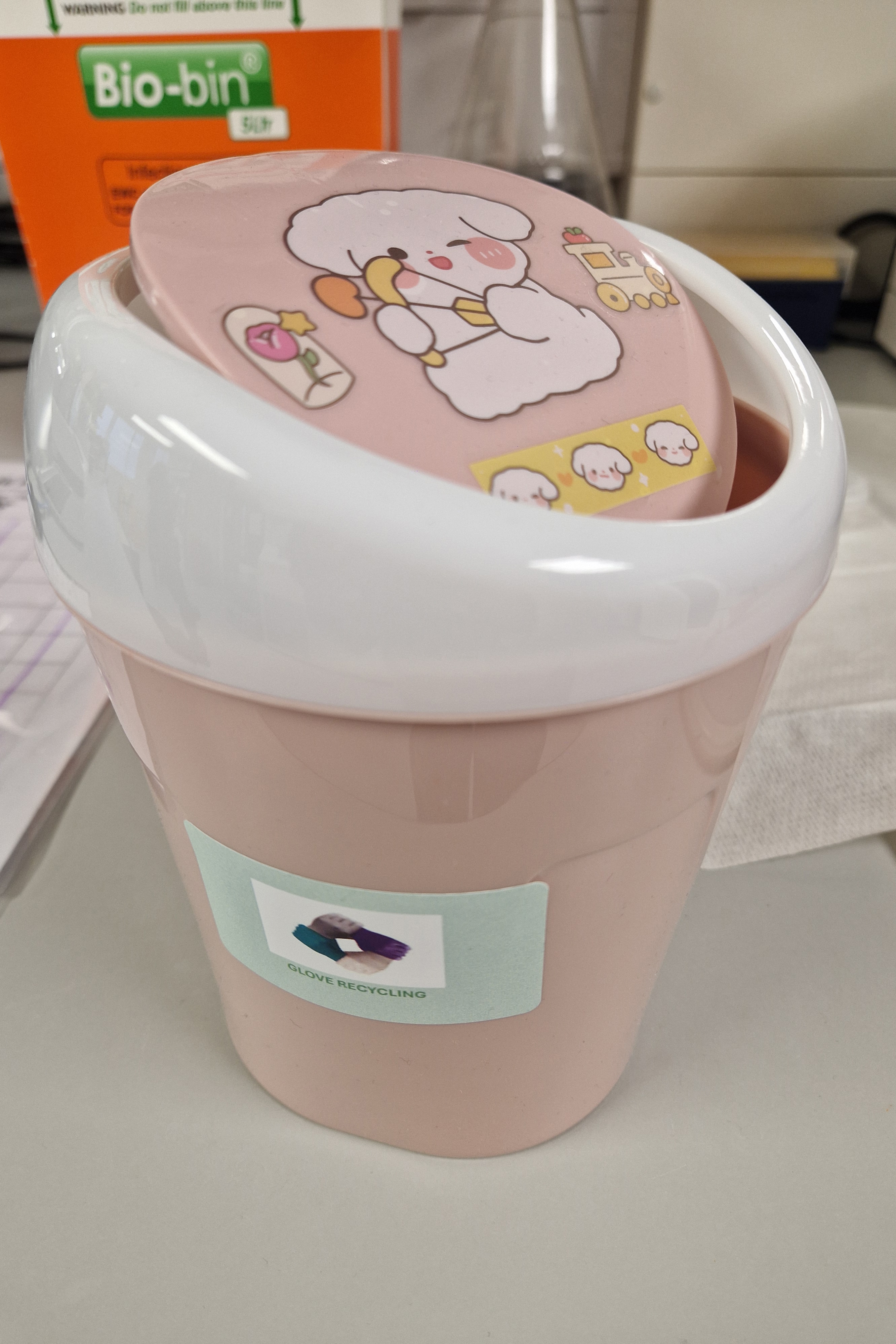
A green team was established on each floor of the department and worked together with the lab managers to make significant changes to work processes. Waste reduction was another area of major improvement. In the 4th and 5th floor labs a new process was introduced for reusing specific single-use plastics and setting up drying racks next to all sink areas, dedicated glove-recycling points were established in multiple places around the lab, and a mini-bin recycling system on benches was introduced as well as reorganising the chemical storage to avoid duplication. A clear out uncovered the oldest stored chemical was from April 1971, which demonstrates why improvements in procurement and shared stock systems matter.
One of the most important factors for the success of this department was the cultural shift on approaching sustainability. Importantly, this required a complete buy in from both group leaders and those who are more lab based, with everyone realising the importance of achieving a more sustainable lab environment. Scientists rely on evidence-based decision making and once Neil approached research groups with data, the changes to their practice were readily adopted. Compliance with freezer changes was 100% and early career researchers and PhD students were in fact some of the strongest advocates of greener lab practice.
Sustainability in the department is also integrated from day one training and included in the departmental safety induction.
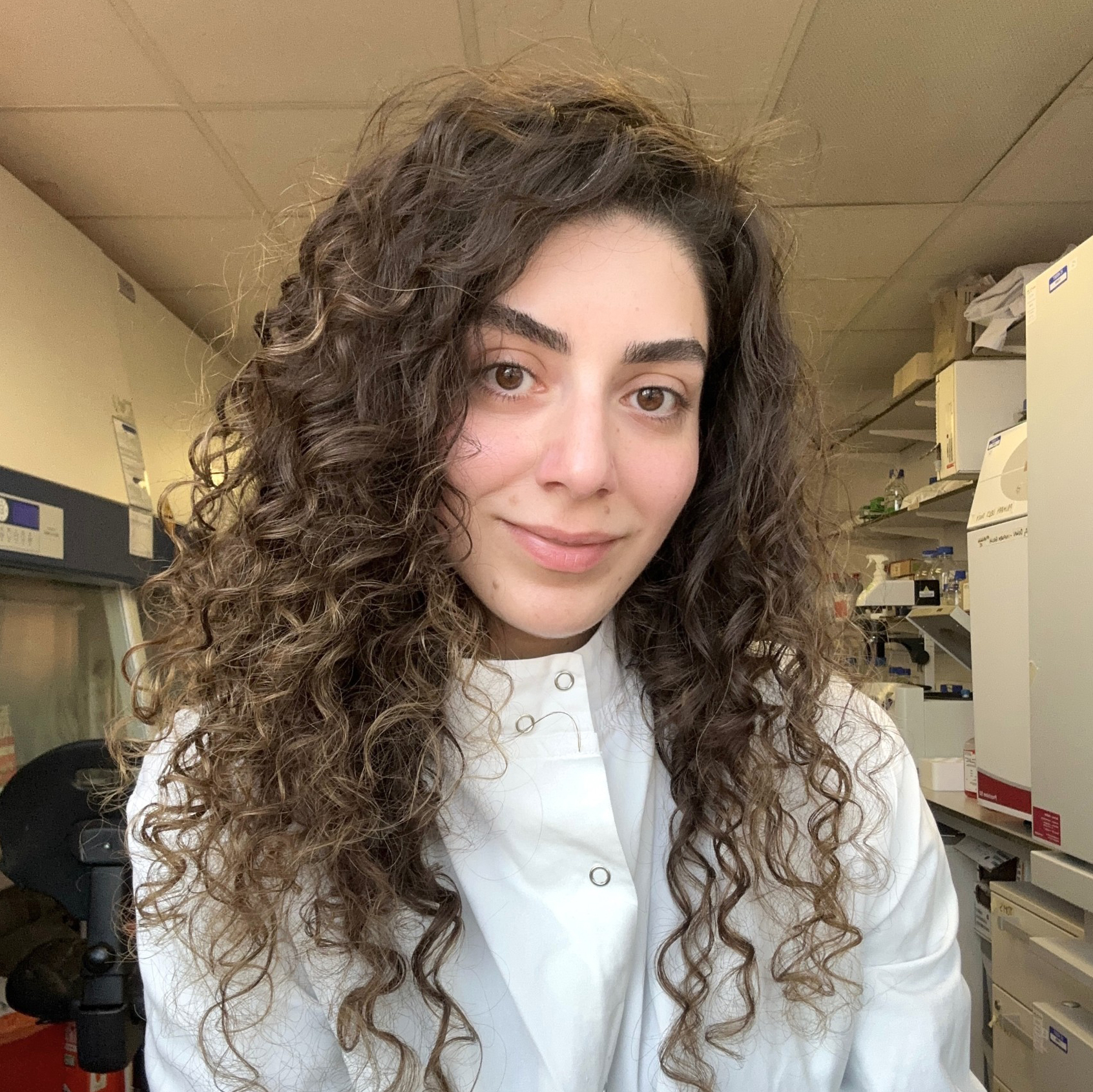
Dr Golzar Mobayen, Research Associate commented on her role in implementing changes on the 5th floor, “As an early‑career researcher, building and working in a sustainable lab is important to me. Across our floor a small group of us got involved in looking at practical changes we could make, from introducing tip‑box recycling and switching to more sustainable versions of everyday lab products, to making simple behavioural shifts like turning off lights and equipment when they’re not in use. My own area focuses on microplastics, so reducing our environmental footprint wherever possible feels especially relevant.
We worked through a full checklist and each of us was given specific tasks and it really became a collaborative effort. It’s been encouraging to see how small, thoughtful changes and properly researching more sustainable equipment can add up to a more responsible way of running a lab.”
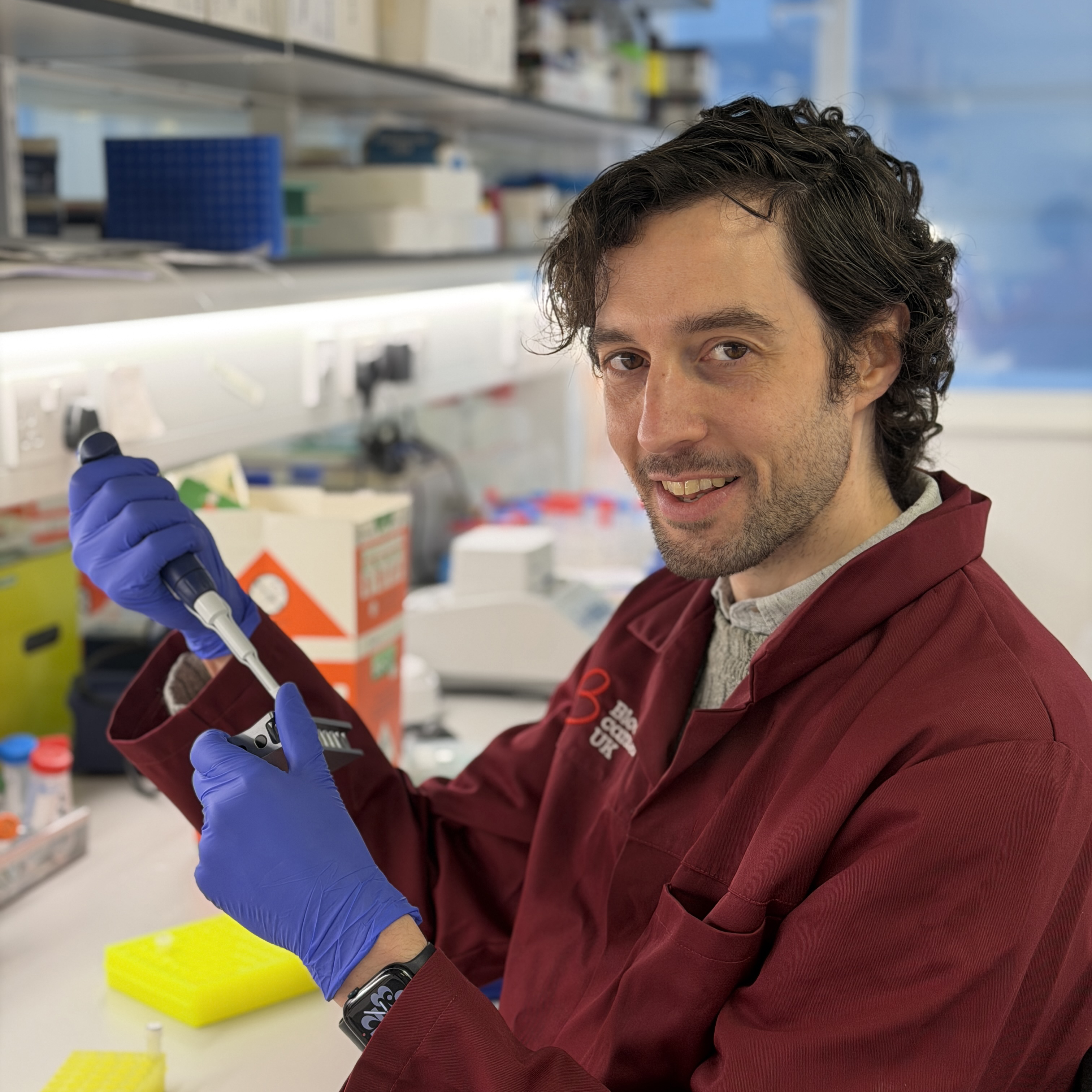
One of the PIs who contributed to the 4th floor LEAF application was Dr Nick Crump. He said “There was a lot of enthusiasm from researchers to improve sustainability in the lab, and in fact some people had already made changes independently. We worked to coordinate these actions alongside departmental support to make it easier for everyone to act more sustainably.”
The Gold LEAF award is renewed annually ensuring continuous improvement in the lab. As major funders are increasingly requiring evidence of sustainable lab practice, these awards demonstrate the leadership within the faculty and strengthens its position for future research opportunities.
Professor Marina Botto, Head of Department said, “Achieving Gold LEAF certification across all our laboratories within the Department is an outstanding achievement, and I’m incredibly proud of the collective effort behind it. This recognition not only reflects our commitment to sustainable research but also the dedication of our staff and students in driving meaningful changes. Being the first Department in the university to reach this is a powerful example, and I hope it inspires others to embed environmental responsibility into everyday science.”
Zuzanna Rydz, Lab Sustainability Officer at Imperial College London said, "Congratulations to the Department on achieving 100% Gold LEAF certification, it’s a fantastic milestone and a collective effort of lab managers, technicians, researchers and students. This achievement is a fantastic example of how laboratory communities can embed sustainability into everyday research practice. Across Imperial, we are making strong progress towards our sustainable labs targets, with around 70% laboratories (out of over 1400 labs) now certified through programmes such as LEAF. Our vision for sustainable labs integrates education, sustainable procurement and greener experimental methodologies, helping deliver energy and resource savings while meeting funder requirements."

The Ultralow Temperature Freezers in the Department of Immunology and Inflammation.

Pipette box recycling bins

Adding stickers to the outside of fume hoods reminds lab users to close the hoods to save energy.
Article text (excluding photos or graphics) © Imperial College London.
Photos and graphics subject to third party copyright used with permission or © Imperial College London.
Faculty of Medicine

Engineering

Health

Health

Health
Science
Science
Campus and community
Discover more Imperial News
Search all articlesDiscover more Imperial News
Search all articles