Celebrating MDR's Women
/prod01/channel_4/imperial-news/media/news-images/3000X2000-main-article-images/240419_campus_spring_new_branding_025(1).jpg)
To mark Women at Imperial Week, we interviewed two of MDR's outstanding female staff.
Building gender equality is a collective effort, shaped by the ways we support, collaborate and learn from one another. To mark International Women’s Day 2026 and Women at Imperial Week, we are celebrating women from across the Department and the journeys that have brought them here.
Through these interviews, MDR female staff reflect on their roles, motivations and challenges, and share how giving and receiving support - through mentorship, collaboration and generosity - has helped shape their careers.
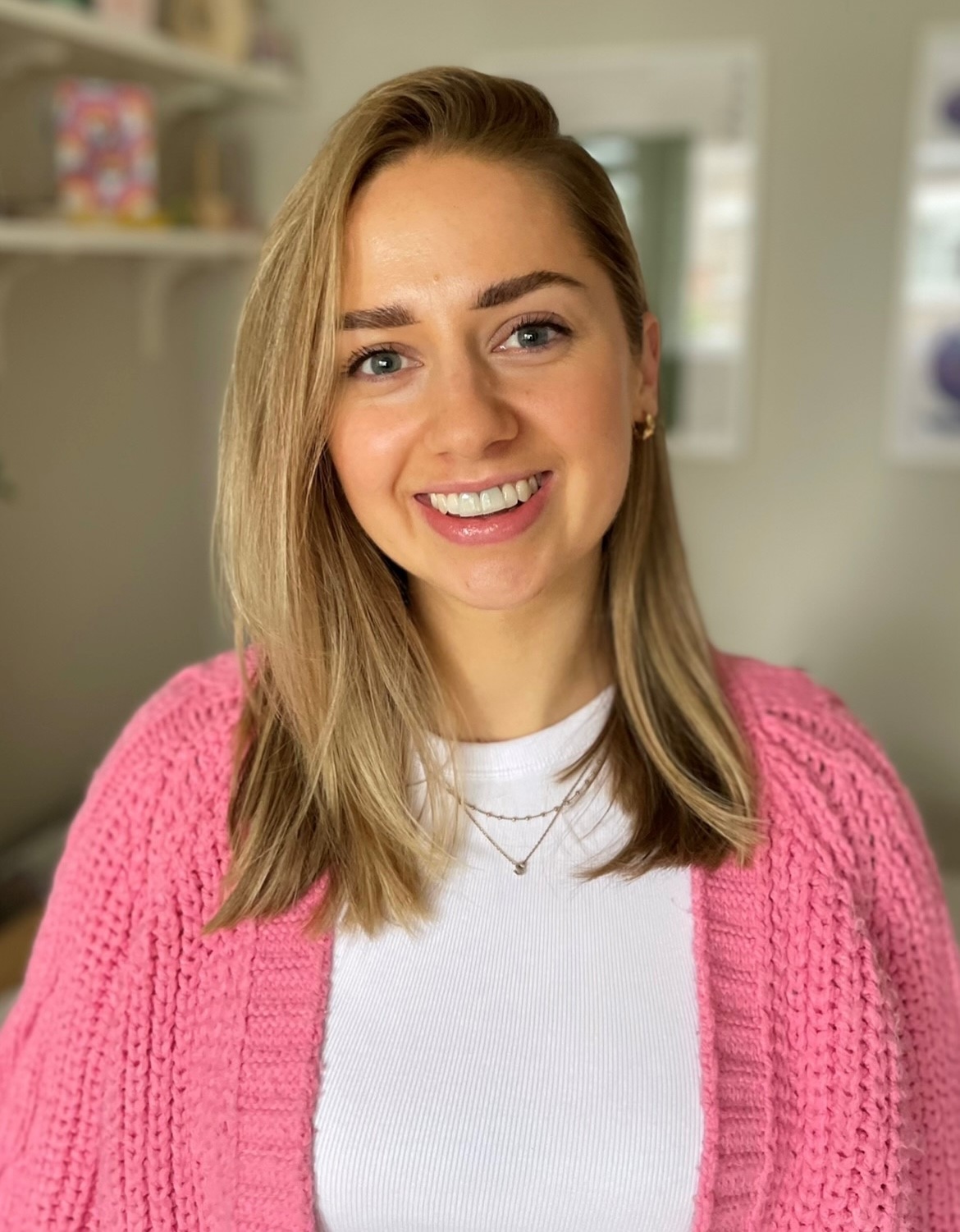
Stefanie Hoskins - Education Coordinator
 How would you describe your role?
As an Education Coordinator, I help support the delivery of our undergraduate and postgraduate programmes and make sure students have what they need to succeed. The role is incredibly varied - I work closely with academic programme teams and a range of central services to oversee the many stages and processes involved in the academic life cycle. I’m in contact with students from before they enrol right through to graduation, which gives the role a real sense of purpose and connection.
What attracted you to this area of work?
I’ve spent my whole career in Higher Education because I enjoy supporting students and being part of the structure that quietly keeps everything moving. I love being part of the experience that sits behind the scenes, helping things run smoothly and making a difference to students’ time at university. I often think back to when I was a student myself and had no idea roles like this existed.
What motivates you day to day?
The opportunity to improve how we do things. I enjoy collaborating with my colleagues to streamline our processes and make them clearer, faster and more effective. I’m lucky to work with a team who are supportive and open to change, which makes improving things together genuinely rewarding.
What’s a challenge you’ve faced and how did you overcome it?
There's always something new to learn or something I haven't encountered before which requires a quick response. It's taken time to build confidence in a fast-paced environment where questions and issues come from many directions. I’ve overcome this by giving myself time to learn, asking questions, and trusting my judgement. With experience, I’ve become much more assured in decision-making and supporting others.
This year’s International Women’s Day theme is Give to Gain. How have giving and receiving support shaped your career journey, and can you share one example where generosity made a real difference for you?
I think back to the very early days of my career, when I had little experience in the workplace. My manager at the time gave me opportunities that challenged me and helped me grow, even when they were far beyond what I thought I was ready for. She trusted me with responsibilities that stretched my confidence and skills, and that faith in my potential has shaped not only how I approach challenges, but also how I support and encourage others today.
Who has supported or inspired you in your journey?
I’m inspired by colleagues who lead with empathy and collaboration. Working with people who genuinely want the best for each other and create a positive, encouraging environment makes such a difference. Being surrounded by that kind of support has kept me motivated throughout my career.
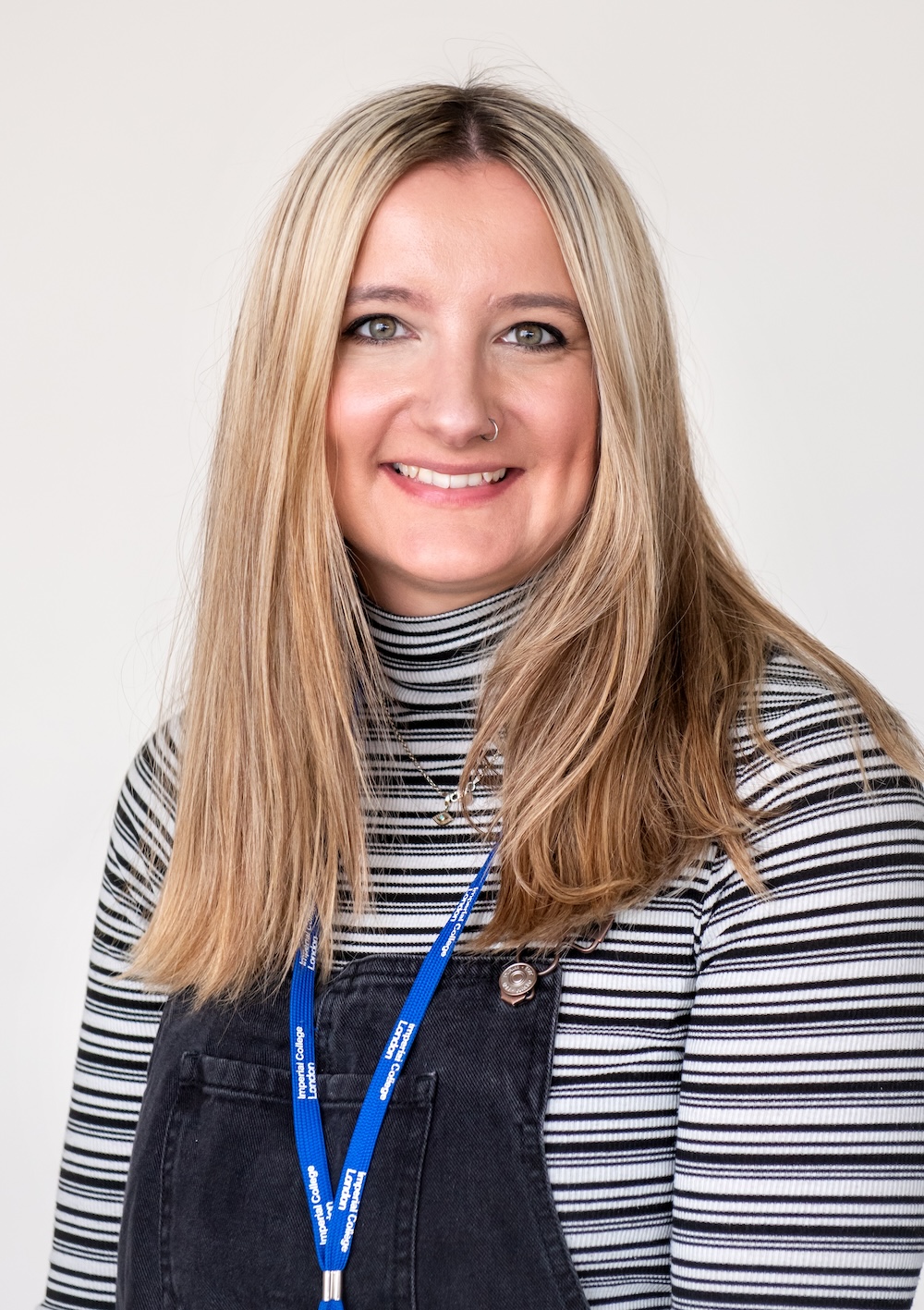
Dr Lauren Ford - Imperial College Research Fellow
 How would you describe your role?
I am currently a Research Fellow, working with a small team of PhD students, Masters students and a research assistant. We work on developing tools to deeper understand the metabolism of cancer and other complex diseases in a high-throughput or spatial way to make them more clinically useful.
What attracted you to this area of research?
I have always loved an analytical challenge, and metabolomics provides many challenges to overcome with novel research. The application to cancer allows me to help people through research, looking for novel insights in the metabolic processes that could enable better treatment. We also focus a lot of our work on making these technologies high-throughput aiming to detect cancer earlier and less invasively. Both of my parents have survived cancer, and it makes me extremely proud to be working in this area as early detection potentially saved both of their lives.
What motivates you day to day?
Day to day I really love seeing my research teams develop and watching students gain confidence to become more independent, seeing someone overcome a technical challenge by themselves or get excited to show me some new data they have acquired is my favourite part of the job.
What is a challenge you have faced and how did you overcome it?
Since much of my work is clinically focused, a lot of my research involves working with clinics which can be very daunting when you are from a science background and feel more comfortable in a laboratory environment. However, the consultants I have worked with have been super helpful in guiding me and welcoming me into this environment allowing me to learn firsthand the clinical pathways patients follow. This has been fundamental to my work establishing research questions and securing funding to make this pathway as streamlined as possible.
This year’s International Women’s Day theme is Give to Gain. How have giving and receiving support shaped your career journey, and can you share one example where generosity made a real difference to you?
I could not have got to my position now without the help of all my supervisors in all of my research posts, I have been extremely lucky to have had the encouragement and support that I have had over the years. The academic life can be extremely busy but every time I have reached out for some support from someone senior in our department, I have always been surprised at how much time and support I have received whether this is to help make a grant application better or to gather some insight from a clinical perspective to get across an issue.
Who has supported or inspired your journey?
The list of people who have supported my journey is too long. I was the first to go to university from my family, so they didn’t really understand the pathway at first, I remember when I secured my first post-doc my dad saying, ‘not another university!’. However, they have always been incredibly supportive of my work and achievements and provide great feedback for lay summaries! I also met my husband in one of my post-docs meaning he can understand the trials of academia and provides endless support and encouragement to believe in myself.
What advice would you give to early career researchers?
Keep going. Early career research comes with uncertainty and setbacks but believing in your work and staying persistent matters. Progress doesn’t always follow the path you expect, but things do fall into place.
Article text (excluding photos or graphics) © Imperial College London.
Photos and graphics subject to third party copyright used with permission or © Imperial College London.
Article people, mentions and related links
Benjie Coleman
Faculty of Medicine