Researchers aim to develop saliva test to predict response to chemotherapy for pancreatic cancer
/prod01/channel_4/imperial-news/media/images/landscape-3000X2000/RS78_Website-use-only.jpg)
Researchers from Imperial College London are studying the bacteria found in the gut and saliva of pancreatic cancer patients, with the aim of developing a new test to predict how they will respond to chemotherapy.
This award will enable us to bring microbiome science into the mainstream of pancreatic cancer research, generating new biological insight and helping to reframe how we think about predicting and personalising chemotherapy response in the future." Dr Despoina Chrysostomou Research Associate, Department of Metabolism, Digestion and Reproduction
Dr Despoina Chrysostomou is leading the Pancreatic Cancer UK funded project at Imperial, in collaberation with researchers from the Royal Marsden, which aims to determine the role that bacteria in the gut and saliva plays in the effectiveness of chemotherapy for pancreatic cancer.
It is hoped that, in future, a simple saliva test would determine if chemotherapy is likely to be effective, potentially saving thousands from unnecessarily undergoing harsh treatment for little or no benefit.
Pancreatic cancer is the deadliest common cancer. In 80% of cases, the disease is found at a late stage, after it has already spread and is inoperable. This is in large part due to its vague symptoms which are common to other, less serious conditions, such as indigestion, unexplained weight loss and stomach and back pain. As a result, chemotherapy, which aims to slow tumour growth and give patients more time with their loved ones, can be the only option available. Chemotherapy is also increasingly being used before surgery, to try to shrink the tumour and make surgery more likely to be successful.
Chemotherapy involves potent drugs which kill cancer cells but also kill healthy body tissue in the process, causing nasty side effects like sickness, infection and tiredness. As pancreatic cancer is often diagnosed at a late stage, patients can be less able to tolerate the treatment, leading to faster deterioration and a poorer quality of life, mitigating any potential benefits.
Pancreatic Cancer UK has awarded almost £100,000 to the project and charity hopes the findings will support the development of a saliva test to predict which patients are most likely to respond well to treatment. By identifying patients for whom chemotherapy is unlikely to be effective, such a test would give them more precious time with their loved ones.
Integrating microbiome insights into pancreatic cancer research
During the year-long project, the team will analyse saliva and faecal samples taken before and after chemotherapy from 73 patients with pancreatic cancer. For each sample, they will study the bacterial communities and the small molecules these communities produce before and after chemotherapy, to uncover whether differences are connected to a patient’s response to the treatment.
Using this same approach, they will investigate how the tumour microenvironment - a complex ecosystem surrounding the tumour - changes during treatment. This microenvironment is made up of many different cells, including immune cells, which can make treatments like chemotherapy less effective.
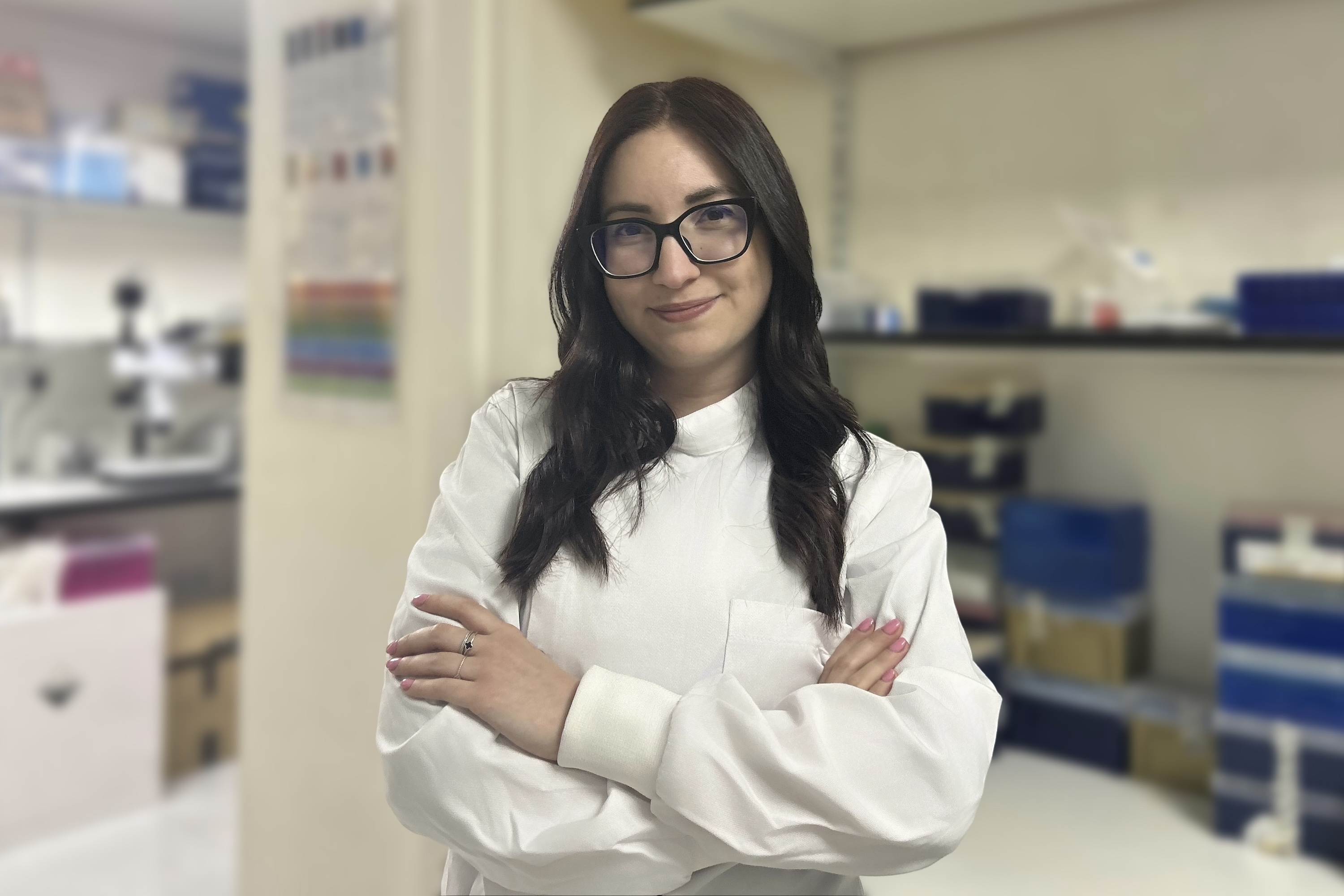
Dr Despoina Chrysostomou, Research Associate at Imperial's Department of Metabolism, Digestion and Reproduction, said: “One of the biggest unanswered questions in cancer research is why patients with the same diagnosis, treated with the same chemotherapy, can have very different outcomes. Growing evidence suggests that the microbiome plays a fundamental role in shaping tumour behaviour and treatment response, yet this perspective has been largely overlooked in pancreatic cancer."
“This award will enable us to bring microbiome science into the mainstream of pancreatic cancer research, generating new biological insight and helping to reframe how we think about predicting and personalising chemotherapy response in the future. We hope that the results from this project will help identify robust biological markers that could, in time, be developed into a non-invasive, predictive test to help guide chemotherapy decisions.”
Dr Madina Kara, Head of Research for Pancreatic Cancer UK, said: “Tragically, more than half of people with pancreatic cancer die within just three months of their diagnosis. Understandably, some will want to do everything they can to give themselves more precious time with their loved ones, including choosing to have chemotherapy. However, this treatment can be extremely punishing."
“While more research is needed before a test could be available to patients, this project marks a pivotal first step towards being able to predict how a patient is likely to respond to chemotherapy. Our hope is that, in the future, thousands of people with pancreatic cancer in the UK will be able to make more informed decisions around treatment they may benefit from.”
Supporters

Article text (excluding photos or graphics) © Imperial College London.
Photos and graphics subject to third party copyright used with permission or © Imperial College London.
Article people, mentions and related links
Benjie Coleman
Faculty of Medicine