Biosecurity combines several of the most important security challenges facing modern policymakers, including epidemics/pandemics and zoonotic disease, through engineered pathogens, accidental release, and biological weapons, through to plant/crop health and food security.
All these areas are being impacted further by the rapid development of frontier technologies such as AI and Engineering Biology. Novel technologies are driving both threats and solutions that require urgent assessment and evaluation by experts in their fields.
At the Imperial Policy Forum, we identify expertise and capability within Imperial and across the wider research ecosystem, and mobilise our policy networks and convening power to ensure that biosecurity conversations are informed by the latest evidence.
Imperial’s biosecurity work feeds directly into policy portfolios across the UK, for example the Cabinet Office/National Security Secretariat, the Department for Health and Social Care, the UK Health Security Agency, and the Department for Environment, Food and Rural Affairs. We also aim to work with relevant international stakeholders and multilateral institutions, including the United Nations (WHO/FAO) and the European Commission (HERA).
“Biosecurity threats are increasing globally, and our capacity to detect and respond to them is not keeping pace with the risks we face.” – Professor Azra Ghani, Chair in Infectious Disease Epidemiology
/prod01/channel_3/media/images/landscape-3000X2000/10062026-Biosecurity-at-the-Frontier-Conf-026.jpg)
Biosecurity at the frontier conference
On Wednesday 10 June 2026, Imperial held a high-level conference, Biosecurity at the frontier, bringing together global leaders to examine emerging biological threats and the actions needed to address them.
Upcoming biosecurity eventsBiosecurity at Imperial
Across Imperial, researchers are working on biosecurity-relevant topics, including epidemiology, vaccines, engineering biology, AI, novel foods, food systems and food security.
/filters:format(webp)/prod01/channel_3/media/images/landscape-3000X2000/10062026-Biosecurity-at-the-Frontier-Conf-020.jpg)
/filters:format(webp)/prod01/channel_3/media/images/landscape-3000X2000/161128_dna_foundry_059_208939_001.jpg)
/filters:format(webp)/prod01/channel_3/media/images/landscape-3000X2000/211014_pop_up_vaccination_tent_026.jpg)
/filters:format(webp)/prod01/channel_3/media/images/landscape-3000X2000/240306_School-of-Public-Health-building-005.JPG)
/filters:format(webp)/prod01/channel_3/media/images/landscape-3000X2000/251111_andrew_edwards_amr_fleming_008.jpg)
/filters:format(webp)/prod01/channel_3/media/images/landscape-3000X2000/260303_LPope_Imperial_101_Bezos_Centre_Sustainable_Protein_2026_2009.jpg)
/filters:format(webp)/prod01/channel_3/media/images/landscape-3000X2000/251111_andrew_edwards_amr_fleming_019.jpeg)
Related Organisations


News


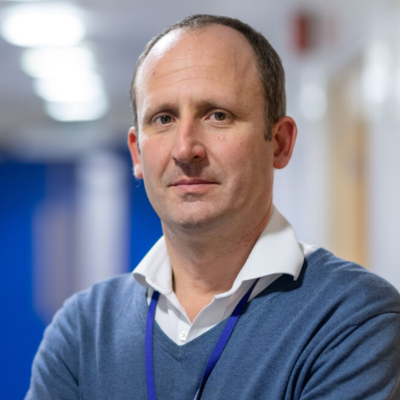
“Health systems need surveillance platforms that can detect emerging and manmade pathogens to improve both threat detection and accelerate early intervention even without knowing what those threats will be.” – Professor Graham Cooke, Deputy Dean, Faculty of Medicine
For further questions regarding Biosecurity, contact Dr Craig Whittall.