Pandemic Preparedness & Resilience: DAEDALUS Explore to launch
The Jameel Institute at Imperial, together with the PREPARE Programme set up by the Ministry of Health, Community Jameel, and Griffin Catalyst, are hosting an evening dinner and dialogue on Pandemic Preparedness & Resilience: Health and Economic Considerations for the Future on Tuesday 19th May, at the famous Raffles Hotel in Singapore. This dinner brings together senior leaders, policymakers, researchers and philanthropists to share perspectives on the importance of long‑term, coordinated investment in pandemic preparedness, taking into account both public health outcomes and economic resilience in the face of future respiratory pandemics.
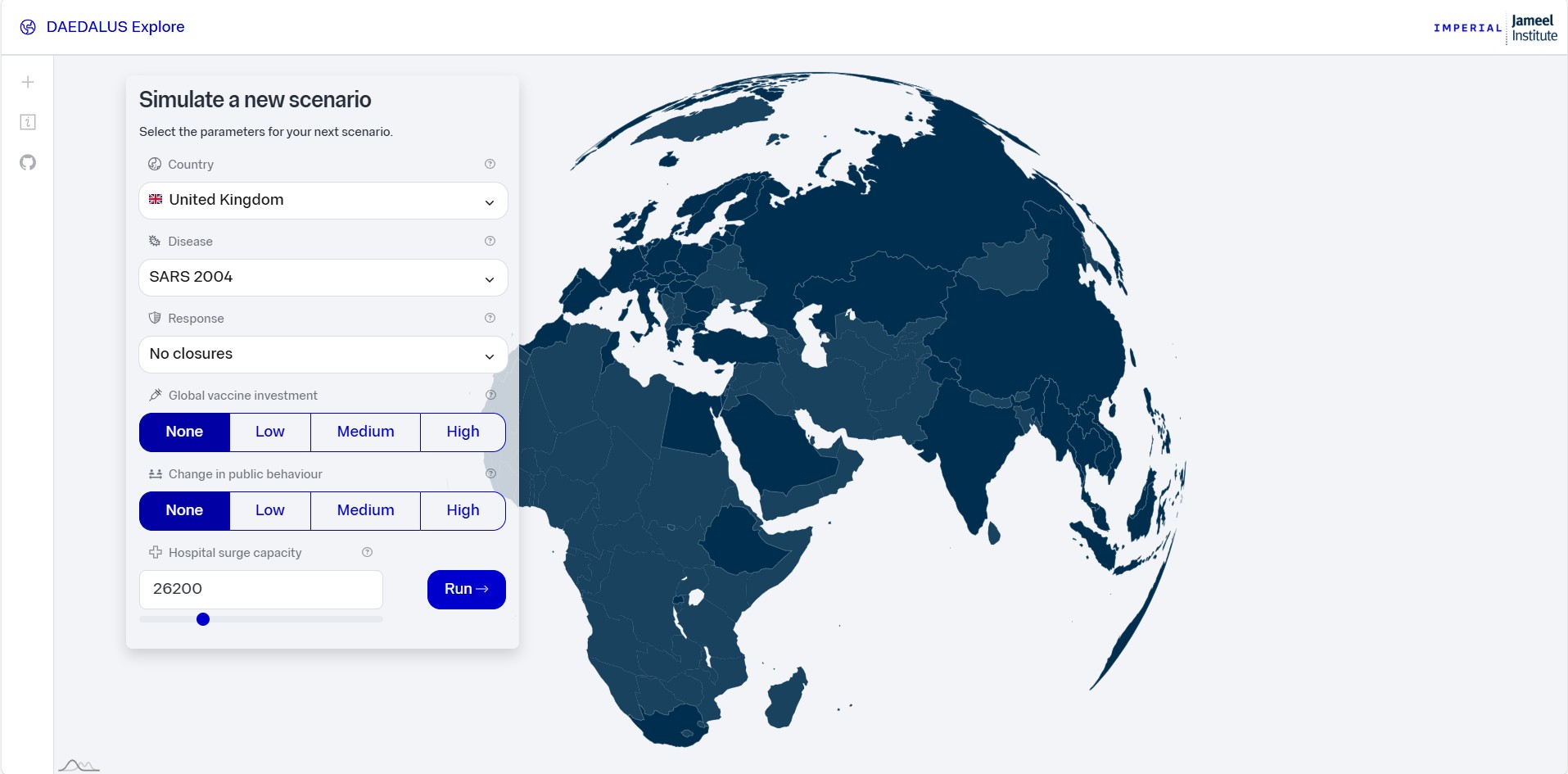
Tools like DAEDALUS Explore highlight why sustained, coordinated investment in preparedness matters. By linking health impacts with economic consequences, we can better support policymakers, funders and governments to invest where it makes the greatest difference. We're excited to host this dinner and allow users to understand the impacts of different investment choices.
Professor Katharina Hauck, Deputy Director, Jameel Institute
The evening will feature remarks from distinguished speakers, including Professor Kenneth Mak, Director‑General of Health, Ministry of Health Singapore, Professor Wang Linfa, Executive Director, PREPARE, Professor Katharina Hauck, Deputy Director, Jameel Institute, Imperial, and others.
Over dinner, guests will be invited to take part in an interactive decision‑making exercise, reflecting on choices related to pandemic preparedness using the pandemic preparedness tool DAEDALUS Explore, powered by the Jameel Institute and Kenneth C Griffin Initiative on the Economics of Pandemic Preparedness. As the scenario unfolds over the course of the evening, participants will see how different investment decisions shape health and economic outcomes during a hypothetical pandemic that unfolds at the end of the evening - offering an engaging illustration of the stakes involved and the value of preparedness.
NEXT STORY
New modelling tool unveiled to support enhanced vaccination planning in humanitarian crises
London, United Kingdom – 18 December 2025
Researchers from the Jameel Institute at Imperial College London and the London School of Hygiene and Tropical Medicine (LSHTM) have developed the Jameel Institute Crisis Vaccination Planner (JICVP), an early-stage modelling and decision-support tool designed to help inform evidence-based vaccination decisions in crisis settings.
In humanitarian emergencies, disruption to health systems often results in the collapse of routine immunisation, leaving populations vulnerable to vaccine-preventable diseases (VPDs). Identifying which diseases pose the greatest immediate risk, and when outbreaks are likely to occur, is one of the most complex challenges faced by humanitarian responders.
To address this, the planner is an output of Jameel Institute-Realtime Intelligent Support for Emergencies (Jameel Institute-RISE), a collaboration between the Jameel Institute and LSHTM, and supported by Community Jameel, that integrates real-time data, outbreak analytics, and predictive modelling to support partner organisations such as the World Health Organization (WHO), Médecins Sans Frontières (MSF) and the United Nations Office for the Coordination of Humanitarian Affairs (UNOCHA). Its mission is to make complex analytical methods more accessible for operational teams on the ground while also identifying the critical data gaps that limit effective humanitarian response.
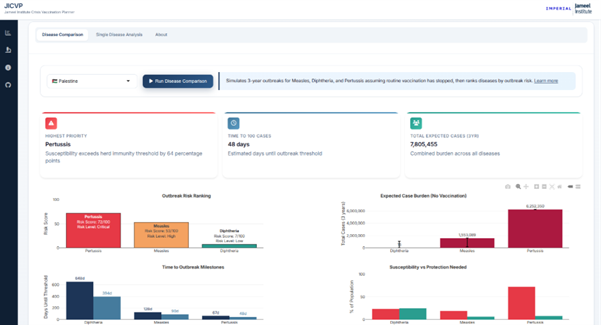
The planner, integrates real-time data, epidemiological modelling, and scenario forecasting to help humanitarian actors prioritise vaccination efforts based on risk and potential health impact. The tool is designed to help build more reliable estimates of immunity around the world and better understand the risks from different vaccine-preventable diseases.
Instead of giving exact predictions during an active outbreak, the planner aims to identify what is needed to improve future vaccination planning – reducing outbreak size, delaying transmission and offering a dynamic framework for planning and evaluating interventions. By combining information on pre-crisis immunisation coverage, population demography, and immunisation disruptions, the tool can assist in projecting outbreak risks for diseases such as measles, diphtheria and pertussis.
Applying the Jameel Institute Crisis Vaccination Planner for the first time, the team will be working with data from the ongoing conflict in Gaza, Palestine to model how varying levels of immunisation disruption could influence the timing and scale of potential outbreaks.
Dr Bhargavi Rao, co-lead of Jameel Institute-RISE and clinical Associate Professor at LSHTM said:
“Crises like Gaza or Tigray highlight how quickly health systems can collapse and how vital it is to use data to guide action. The Crisis Vaccination Planner helps us turn uncertainty into invaluable insight, enabling humanitarian actors to make faster, evidence-based decisions that can save lives.”
Dr Oliver Watson,co-lead of Jameel Institute-RISE and lecturer at Imperial College London, said:
“Our goal is to make complex modelling accessible and operational. The JICVP is a starting point for that conversation. By understanding the limits of current data and methods, we can work with partners to design the next generation of tools that truly support responders on the ground.”
This pilot marks the start of a co-design phase. The Jameel Institute-RISE team is working with humanitarian partners to ensure the tool reflects operational realities and to identify the data and analytical improvements needed to make anticipatory vaccination planning more feasible. .During this period, the Jameel Institute Crisis Vaccination Planner will be trialled and co-designed in collaboration with humanitarian partners, including WHO, MSF and UNOCHA to ensure the final tool meets the operational needs of these actors on the ground.
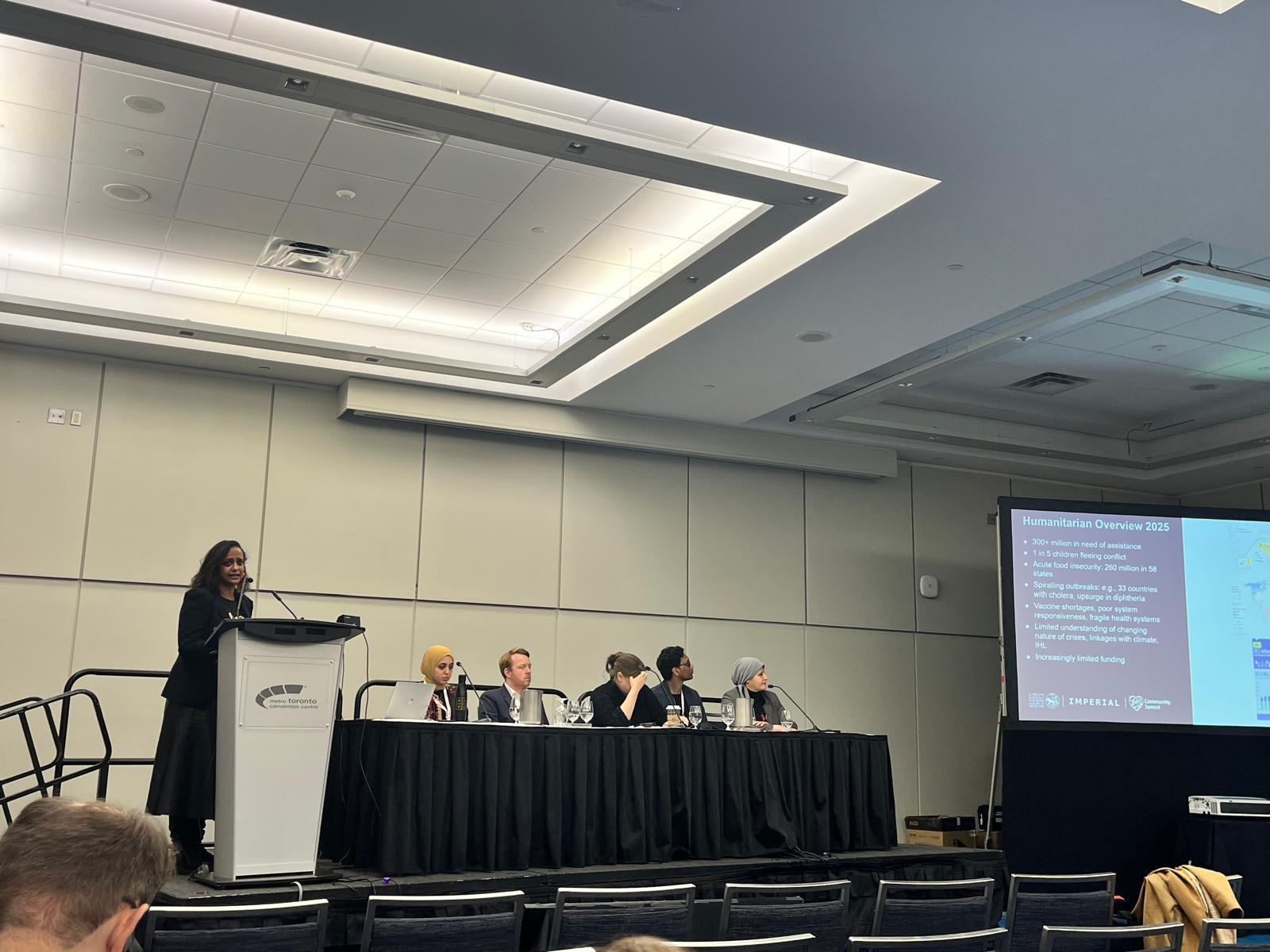
Last month, the Jameel Institute-RISE hosted a symposium at the American Society of Tropical Medicine and Hygiene 2025 meeting in Toronto. With a focus on bridging academia and humanitarian response, the session explored how modelling and real-time analytics can support crisis decision-making. Within this wider discussion of the initiative’s research agenda, the planner was previewed as one element of ongoing co-design with operational partners.
Looking ahead, the tool will evolve to incorporate disease surveillance performance metrics, enabling users to assess how detection capacity shapes outbreak response timelines. By combining innovative modelling with close engagement from humanitarian organisations, the planner represents a step toward a more transparent, data-driven and equitable approach to protecting at-risk populations in crisis settings.
To view the Jameel Institute Crisis Vaccination Planner JICVP tool please click HERE.
NEXT STORY
New DAEDALUS Explore platform modeling pandemic response strategies previewed at the Jameel Institute annual symposium
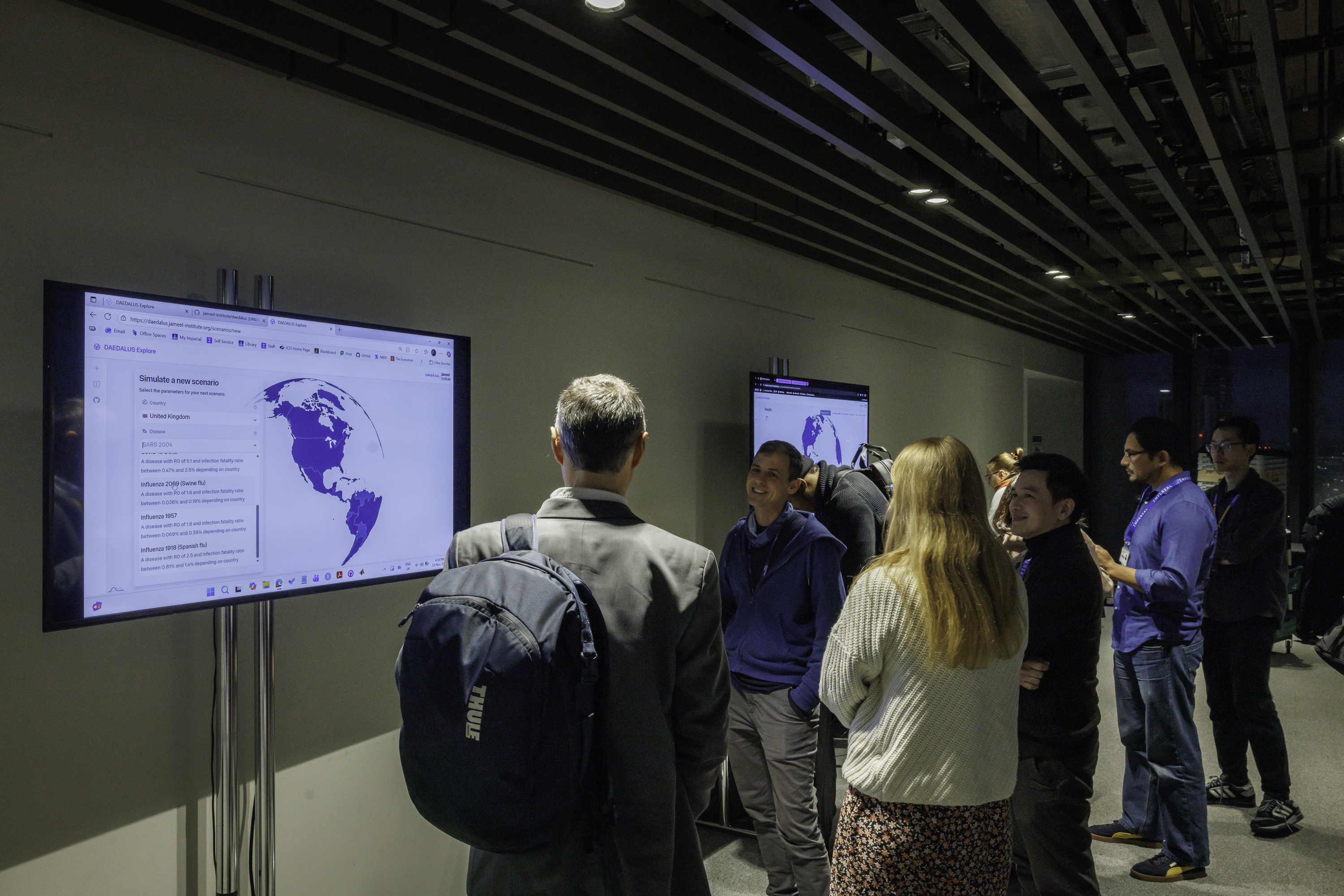
The Jameel Institute at Imperial College London welcomed researchers, policymakers, and global health experts to its annual symposium held at Imperial’s White City campus.
This year’s symposium, ‘Health economics for improving population health under constrained budgets: Lessons from high- and low-income settings’, explored how evidence-based health economics can guide more effective and equitable healthcare delivery, even when resources are limited.
Exploring evidence-based approaches to better health
The symposium featured research presentations from experts across Imperial College London. Their talks showcased innovative research tackling critical questions, from optimising resource allocation in low-income countries to improving preparedness and efficiency in high-income health systems.
An insightful panel discussion, chaired by Pete Baker of the Centre for Global Development, brought together leading voices in global health policy and economics from the World Health Organisation, UK Health Security Agency, the University of York and Imperial Business School. Together they examined how health systems can deliver more value for money and better outcomes, even in the face of fiscal constraint.
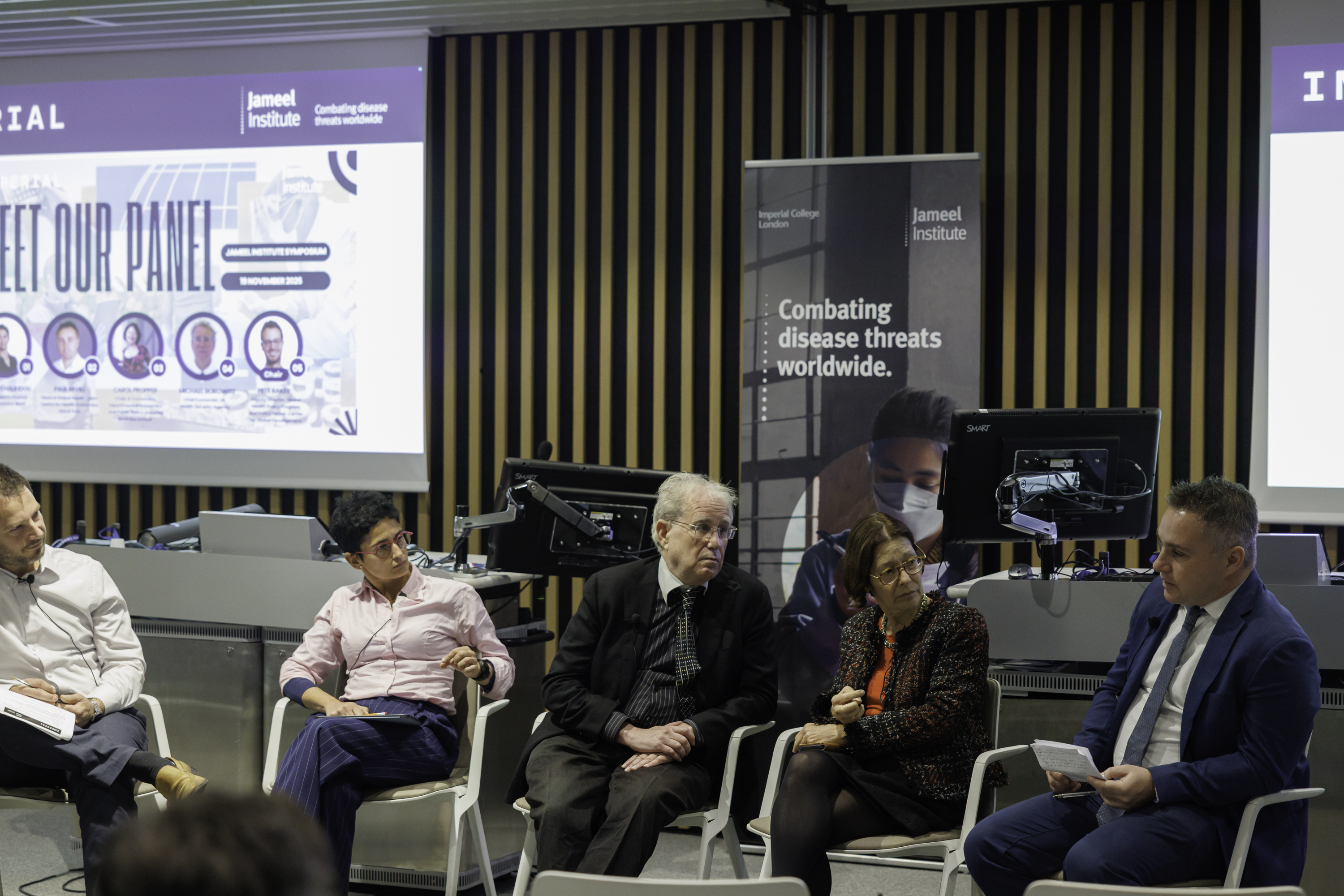
UK Preview of DAEDALUS Explore
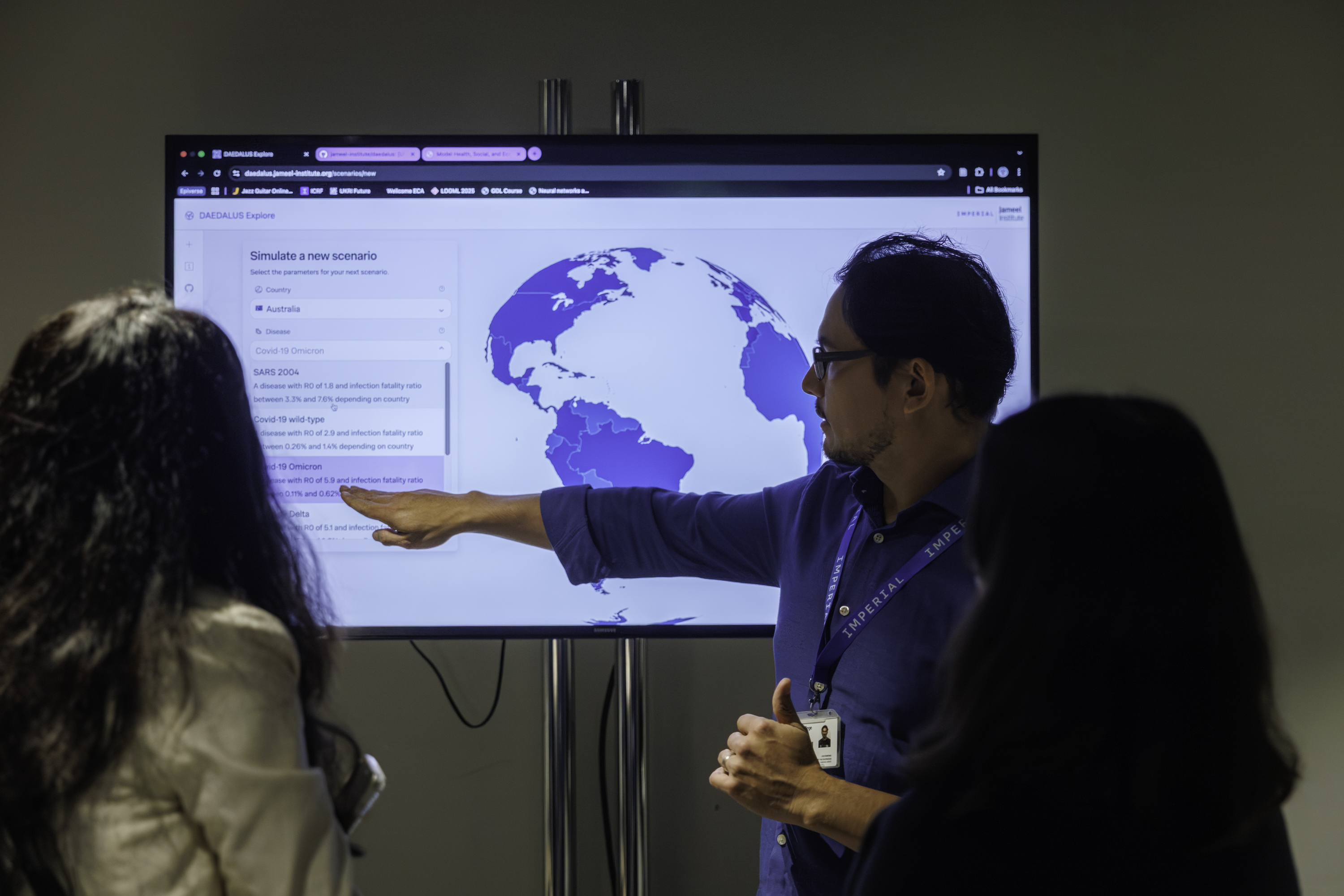
A highlight of the day was the UK preview of DAEDALUS Explore, a new open-access, data-driven platform developed through the Jameel Institute – Kenneth C. Griffin Initiative for the Economics of Pandemic Preparedness (EPPI) that was launched in 2022. Using 7 pathogens and 67 countries, the initiative aims to provide critical data and analysis to inform public health decisions related to pandemic preparedness and disease outbreaks around the world.
DAEDALUS Explore, powered by the Institute’s integrated economic-epidemiological model DAEDALUS, allows users to simulate the health, economic, and educational impacts of different pandemic response strategies.The tool’s interactive design lets users explore how investment in preparedness, such as vaccines, hospital capacity, or mitigation policies, can influence the outcomes of future pandemics.
Its open-access format ensures that policymakers, researchers, and the public alike can engage with the data.
Attendees at the symposium were the first to experience the platform ahead of its global launch in Singapore in Spring 2026.
Professor Katharina Hauck, Deputy Director, Jameel Institute, said:
“DAEDALUS Explore represents a major step forward in connecting rigorous academic research with real-world policy. By making these simulations open and interactive, we’re helping decision-makers, and the wider public, understand the complex trade-offs at the heart of pandemic preparedness.”
Nader Iskandar Diab, Head of Programmes, Community Jameel, said:
“DAEDALUS Explore exemplifies how scientific research can be turned into practical tools that serve communities worldwide. We are proud to support this important step toward improving global health outcomes and allow for the implementation of better-informed policies.”
Looking ahead
As countries face tightening budgets and growing health challenges, the 2025 Jameel Institute Symposium underscored the critical role of health economics in building more equitable and efficient systems. The UK preview of DAEDALUS Explore demonstrated not only Imperial’s leadership in pandemic modelling and health economics but also its commitment to sharing data and tools that empower better decision-making globally.
For more information about DAEDALUS Explore and the Jameel Institute’s work, visit the Jameel Institute.
NEXT STORY
Jameel Institute–RISE presents symposium on data and humanitarian response at 2025 ASTMH annual meeting
Toronto, Canada – 11 November 2025
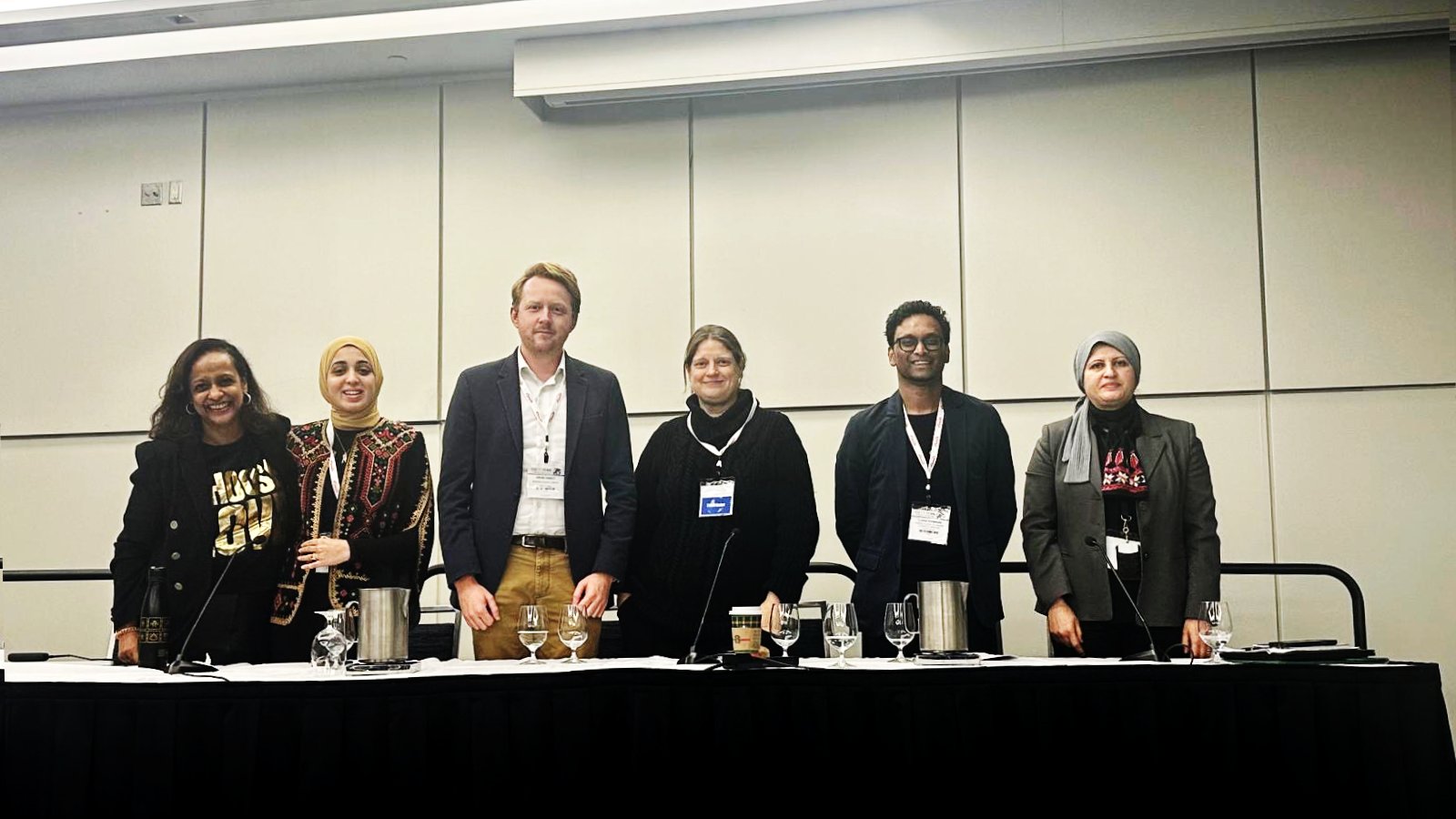
The Jameel Institute–Realtime Intelligent Support for Emergencies (Jameel Institute-RISE), a digital initiative transforming humanitarian response for those injured, malnourished or at risk of disease in conflict zones, held a symposium on data modelling for crisis-affected populations at the American Society of Tropical Medicine and Hygiene (ASTMH) 2025 annual meeting today.
Titled ‘Bridging academia and humanitarian response: Data, modelling and policy for crisis-affected populations’, the symposium brought together experts in data science, disease control and humanitarian operations to explore how modelling informs crisis decision-making and the scientific community’s role in response.
The session addressed:
- vaccine-preventable disease modelling to assess immunisation disruptions in conflict settings;
- early warning systems for outbreak detection, drawing on examples like the refugee influx in Cox’s Bazar, Bangladesh, and Gaza, Palestine;
- infection prevention and control in conflict settings, including the role of water, sanitation, and hygiene in limiting antimicrobial-resistant infections; and
- predictive trauma burden modelling to support resource allocation and data-driven methods for projecting excess mortality in Gaza.
The symposium also introduced the Jameel Institute Crisis Vaccination Planner, a data modelling platform that enables humanitarian practitioners to model the impacts of vaccination discontinuation in crises. The planner will be soft-launched in December 2025.
From armed conflicts to natural disasters, crises drive health emergencies, challenging disease control and public health efforts. Traditional approaches often fall short in addressing fast-moving crises, leading to vaccine-preventable and epidemic disease outbreaks, delayed detection and insufficient trauma care.
Integrating real-time data, outbreak analytics and epidemiological modelling is crucial for timely and effective humanitarian interventions.
Launched in 2024, Jameel Institute–RISE is led by the Jameel Institute at Imperial College London and the London School of Hygiene and Tropical Medicine (LSHTM), and supported by Community Jameel.
Initially focused on the ongoing emergencies in Gaza and Sudan, Jameel Institute–RISE delivers critical data – including on traumatic injuries, malnutrition, mortality and vaccination planning – to humanitarian organisations and policymakers amid crises to help them effectively prioritise aid response.
Partners in the initiative include the World Health Organization, the United Nations Office for the Coordination of Humanitarian Affairs, Médecins Sans Frontières and the Geneva Water Hub.
The symposium was led by Bhargavi Rao, co-principal investigator of the Jameel Institute–RISE initiative and clinical associate professor in humanitarian health at LSHTM.
The world’s top scientific conference for tropical medicine and global health
The ASTMH annual meeting is the premier international forum for the exchange of scientific and clinical advances in tropical medicine and global health, convening researchers, clinicians, policymakers and humanitarian actors for five days of evidence and debate.
Past editions have featured field-shaping moments – from Bill Gates' malaria funding pledge to the landmark dengue control results from Wolbachia trials. The 2025 meeting takes place in Toronto, Canada, from 9 to 13 November 2025.
NEXT STORY
Jameel Institute partners with WHO Hub for Pandemic and Epidemic Intelligence at Munich Security Conference 2025

The Jameel Institute, Imperial College London was honoured to collaborate with the WHO Hub for Pandemic and Epidemic Intelligence at this year’s Munich Security Conference (MSC), convening an expert roundtable to address the pressing threat of infectious diseases to global public health and security.
The event aimed to strengthen the global framework for health emergency prevention, preparedness, response, and resilience through robust multilateral collaboration and enhanced surveillance systems. Bringing together a diverse group of specialists from epidemiology, data analytics, economics, defence, health policy, and international law, the roundtable sought to identify actionable pathways to institutionalise cooperative surveillance agreements essential for mitigating emerging epidemic threats.
Key themes emerging from the discussion included balancing routine and emergency disease surveillance, developing data and analytical standards for rapid epidemic response, building multisectoral collaboration, and ensuring the safe and ethical exchange of intelligence across borders. These insights have been compiled into a collaborative report which you can read below.
Munich Security Conference 2025 | Roundtable Report
The roundtable underscored several urgent imperatives: the enhancement of surveillance infrastructure, protection and incentivisation of health threat reporters, and integrated animal-human health monitoring. The importance of engaging military and industry partners was highlighted, alongside the need for comprehensive impact assessments. Improving communication, education, and advocacy efforts is vital to foster global cooperation against infectious hazards.
This year’s MSC reinforced the necessity of establishing a dedicated global health and infectious disease task force, paralleling existing groups focused on food security and other challenges. The consensus was unequivocal: global health and epidemic risk must occupy a central place in security dialogues rather than be treated as an afterthought.
The call to action is clear—elevating health security and epidemic preparedness within international security frameworks is essential to building a resilient, coordinated response to emerging threats. Investment in health is not only an investment in wellbeing but also in national competitiveness, innovation, security, and sustainable economic growth.
Special thanks go to Dr Anne Cori from Imperial College London and Dr Oliver Morgan from the WHO Hub for Pandemic and Epidemic Intelligence for facilitating this critical conversation at the 2025 Munich Security Conference, and to the Munich Security Conference organisers for enabling a platform where health threats and international security converge.
NEXT STORY
New global initiative to offer crucial insights to international agencies and transform humanitarian response in conflict zones
-
The Jameel Institute – Realtime Intelligent Support for Emergencies (JI-RISE) is a new digital initiative to transform the humanitarian response for people injured, malnourished and at risk of disease in conflict zones.
-
JI-RISE will, in its initial phase, support agencies in responding to the crises in Gaza and Sudan, with the potential to further support millions of people worldwide.
-
Data from JI-RISE on traumatic injuries, malnutrition, mortality and vaccination planning will support a consortium of humanitarian organisations and research institutions, including United Nations agencies and Médecins Sans Frontières.
Jameel Institute Realtime Intelligence Support for Emergencies (JI-RISE)

The Jameel Institute at Imperial College London and the London School of Hygiene and Tropical Medicine (LSHTM) announced today the launch of a new initiative that will deliver critical data – including on traumatic injuries, malnutrition, mortality and vaccination planning – to humanitarian organisations and policymakers amid crises to help them effectively prioritise aid response.
Named the Jameel Institute – Realtime Intelligent Support for Emergencies (JI-RISE), the initiative is supported by Community Jameel, an international organisation that advances science and learning and co-founder of the Jameel Institute, and expands on work previously funded by the Foreign, Commonwealth and Development Office (FCDO) to model future mortality rates in Gaza.
Deployed initially in Gaza and Sudan and with the potential to operate worldwide, JI-RISE will collaborate with a consortium of humanitarian organisations and research institutions, including the World Health Organization (WHO), the United Nations Office for the Coordination of Humanitarian Affairs (OCHA) Centre for Humanitarian Data, Médecins Sans Frontières and the Geneva Water Hub. In this initial phase, JI-RISE will seek to help hundreds of thousands of people in Gaza and Sudan, with the potential to further support millions of the most vulnerable people worldwide.
A team of 24 researchers from Imperial and LSHTM will initially collaborate on JI-RISE, including staff working with the WHO Health Emergencies Programme to support the WHO’s disease outbreak response plans in humanitarian emergencies, such as ongoing efforts to tackle an outbreak of polio in Gaza.
JI-RISE will also support displaced Gazan public health researchers, who will join the JI-RISE team and contribute to its mission to improve public health response during crises
The team will work with humanitarian agencies to enhance the delivery of specific aid programmes in conflict zones. To better understand the health impacts of disrupting routine vaccinations, the JI-RISE team will develop a planning tool to visualise the timelines and risks associated with these disruptions. JI-RISE will additionally provide historical mortality estimates and develop predictive models to strengthen Médecins Sans Frontières’ medical interventions for traumatic injuries.
In conflict zones like Gaza, the lack of detailed data on health impacts can hamper effective responses. While the immediate effects of conflicts are visible, the broader health repercussions due to disrupted services are poorly understood. Our mission is to create robust models to understand these impacts, ensuring that decision-making processes for allocating scarce resources are more transparent, accountable and, most importantly, focus on the most vulnerable people.
Dr Oliver Watson, lecturer and Eric and Wendy Schmidt AI in Science Fellow at Imperial College London and JI-RISE initiative lead.
Sadly over the past decade conflicts have become longer and more violent with limited humanitarian access and disruptions to healthcare. Projects such as this are critical to enable humanitarian actors to better understand and plan for more effective responses given the overwhelming needs and constrained resources. Our aim is for the outputs of this project to be applicable beyond the current crisis in Gaza and we are grateful for the support of field colleagues to ensure they are fit for purpose and ready for operational use.
Dr Bhargavi Rao, Clinical Associate Professor in Humanitarian Health at LSHTM and co-principal investigator of the JI-RISE project
Non-combatants caught up in conflict rely on humanitarian aid to survive terrible suffering – for civilians in Gaza and Sudan, this includes traumatic injuries, starvation and outbreaks of infectious disease. JI-RISE uses the power of data modelling to cut through the fog of war and give humanitarians a clearer picture of what is needed, by whom, when and where – thereby helping deliver aid more effectively and saving lives.
George Richards, Director Community Jameel
The Jameel Institute at Imperial is a centre of excellence founded in 2019 by Imperial and Community Jameel to combat disease threats worldwide. Over 100 mathematical modellers, epidemiologists and other researchers from across Imperial collaborate with the Jameel Institute on its pioneering work. The grant from Community Jameel to establish JI-RISE is the largest gift to-date received by Imperial in response to the Gaza crisis.
The concept for JI-RISE was developed following a roundtable meeting in February 2024, co-chaired by Mark Bryson-Richardson MBE, the Foreign Secretary’s Representative for Humanitarian Affairs in the Occupied Palestinian Territories, and George Richards, director of Community Jameel, that brought together scientists and humanitarians to harness British science for the Gaza emergency.
NEXT STORY
-
The Jameel Institute will be hosting a workshop event this November in Bangkok to soft launch DAEDALUS Explore among leading infectious disease researchers, modellers and policymakers
-
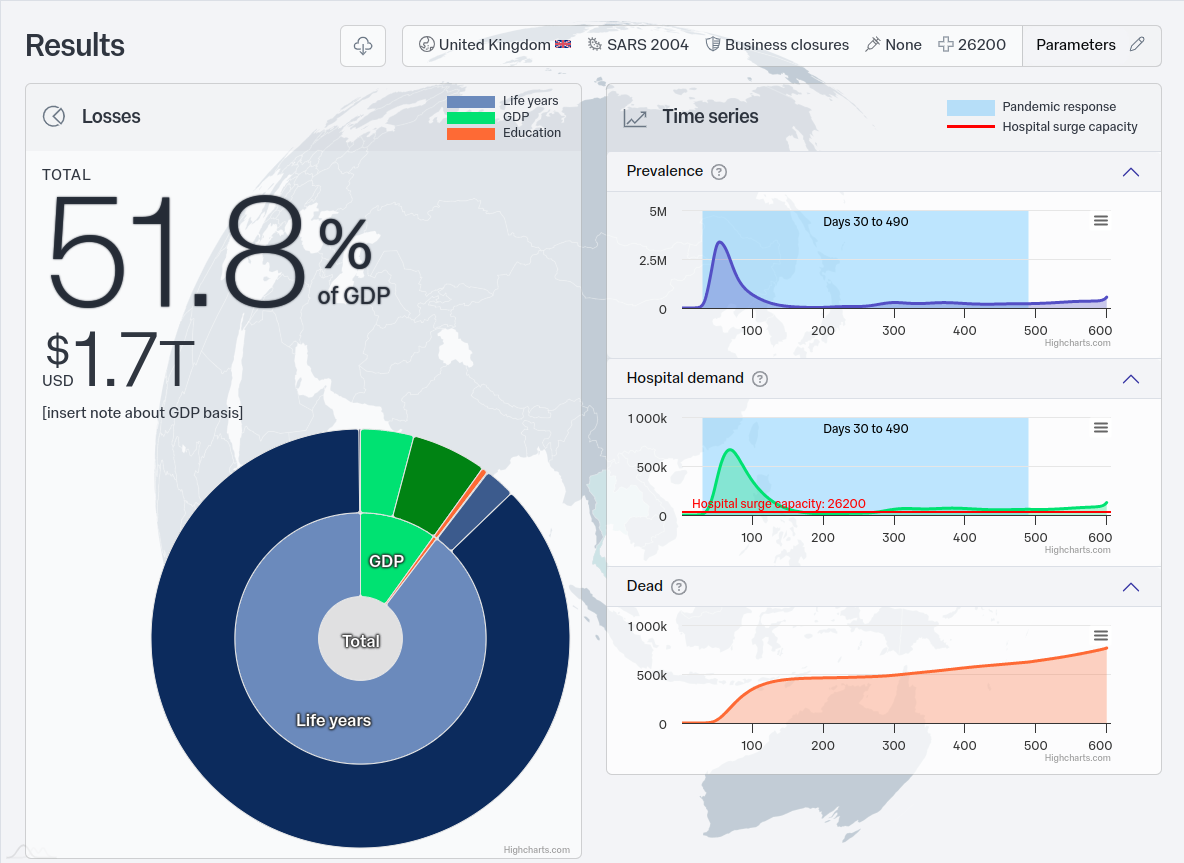
DAEDALUS Explore is powered by an innovative integrated economic-epidemiological model which addresses the agonizing trade-off between lives-and-livelihoods made in epidemic preparedness and response policymaking
What is integrated modelling and why is it so important to the success of future epidemic policymaking?
We all bear witness to the ways in which the COVID-19 damaged society. Over the course of the pandemic there were 15 million excess deaths; there was the largest global economic crisis in more than a century; and many millions of students experienced an isolated, inadequate and interrupted education. And in the midst of the public health disaster, policymakers often found themselves making near-impossible decisions balancing the trade-off between lives and livelihoods.
Unfortunately, many countries did not have the tools or evidence to make informed decisions about these trade-offs. As a result, public health, economic and educational policies were often developed and adopted in silos. Yet lives and livelihoods are entangled and attempts to create a divide between the two denies this reality and ignores the suffering that arises from the unintended consequences.
This policymaking dilemma led to an explosion of research into integrated economic-epidemiological (econ-epi) modelling. Econ-epi models utilise a mix of economic data (such as what % of a country’s workforce works in each business sector) and epidemiological data (such as the transmissibility of a pathogen). The models may also map out relationships between the two types of data inputs (for example, they may tease out the average transmission rate of a pathogen by business sector). These data feed into a mathematic model and output both economic and epidemiological outcomes of interest – such as expected GDP loss or lives lost in a future pandemic scenario.
Econ-epi models can therefore help overcome policy silos by providing decision makers with answers to the agonizing lives-and-livelihoods trade-offs, such as “How much international tourism can we allow to continue while ensuring our hospitals are not overwhelmed with patients?” or “What vaccine coverage do we first need to achieve to be able to re-open schools without causing a significant increase in excess deaths?”. Econ-epi models can also project the benefits of better pandemic preparedness, for example, bolstered vaccine manufacturing capacity or increases in hospital capacity.
Moving from DAEDALUS to DAEDALUS Explore
During this period of rapid interest and growth in econ-epi modelling, the Jameel Institute was at the fore.
With generous support from Community Jameel and Kenneth C. Griffin, the Institute has now developed DAEDALUS: an integrated econ-epi model that can simulate alternative pandemic preparedness and response interventions before and during an epidemic that help to keep infections under control while minimizing economic damage.
Professor Katharina Hauck, Director of the Jameel Institute’s Economics of Pandemic Preparedness Initiative (EPPI).
The model is currently tailored to around 60 countries and 7 pathogens with pandemic potential, meaning that the model is designed to generate much-needed context-specific evidence.
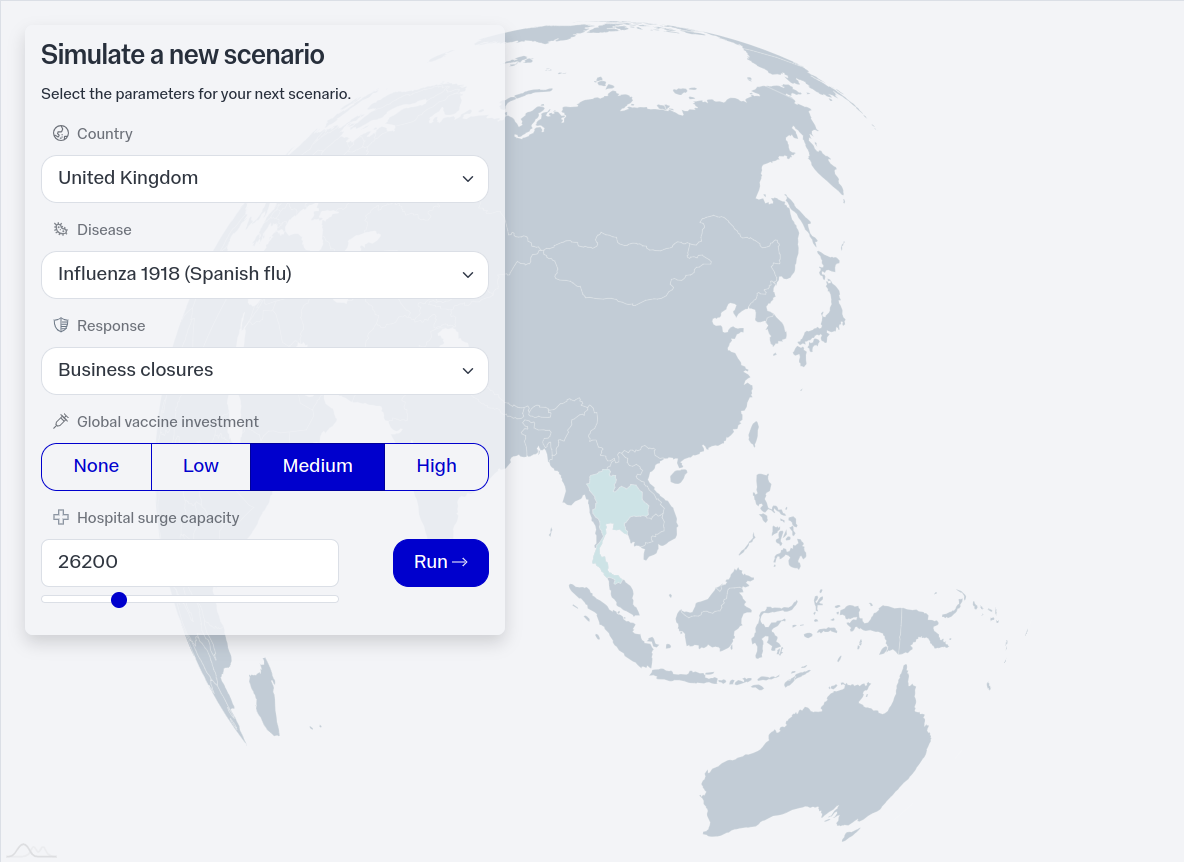
Now, the Jameel Institute’s EPPI team are taking the model one step further by using it to build DAEDALUS Explore: an online dashboard for policymakers to see how different levels of pandemic preparedness and response would impact deaths and the economy in their country of interest under different pandemic scenarios. Professor Hauck adds:
“With DAEDALUS Explore, we are turning a complex model into an easy-to-use tool. We can empower decision makers in countries around the world to make the best decisions for pandemic preparedness, and to navigate between lives-and-livelihoods when responding to pandemics. The Jameel Institute hopes that DAEDALUS Explore becomes a valuable global public good to support effective pandemic preparedness and response in the future.”
Video
Next steps to making DAEDALUS Explore a global public good
With this vision in mind, the Jameel Institute are excited to be hosting a workshop alongside colleagues from the National Centre for Infectious Diseases, Singapore, in the lead up to the inaugural Infectious Disease Modelling Conference. At the event, some of the world’s leading infectious disease researchers, modellers and policymakers will come together to put the DAEDALUS Explore prototype to the test. At the workshop, which will be held on the 5th of November in Bangkok, attendees will be the first cohort ever to receive access to and training on integrated modelling, and on DAEDALUS Explore. The workshop will also be used to gather invaluable feedback on whether DAEDALUS Explore and the information it communicates is straightforward, transparent and useful. This workshop therefore represents a key stepping stone in the Jameel Institute’s journey to ensuring DAEDALUS Explore is the best it can be before launch in autumn next year.
Find out more
- If you are attending the Infectious Disease Modelling confererence this November, we would love for you to join us out our pre-conference workshop. Full details and sign-up here!
- If you are interesting in finding out more about DAEDALUS Explore in advance of next year's launch, please contact Professor Katharina Hauck here.