Explore our current research projects in the expandable areas below:

Research projects
- 31P MRS
- 4D Flow
- DCE-MRI data modelling
- Exercise Cardiac MRI
- MR Fingerprinting
- MRI biomarker for the prediction of Alzheimer’s disease
- Multiparametric analysis of brain tumours
- Smart Imaging and Analysis for Cardiovascular MR
- Super-resolution
- Transverse MRI for Magic Angle Directional Imaging (MADI)
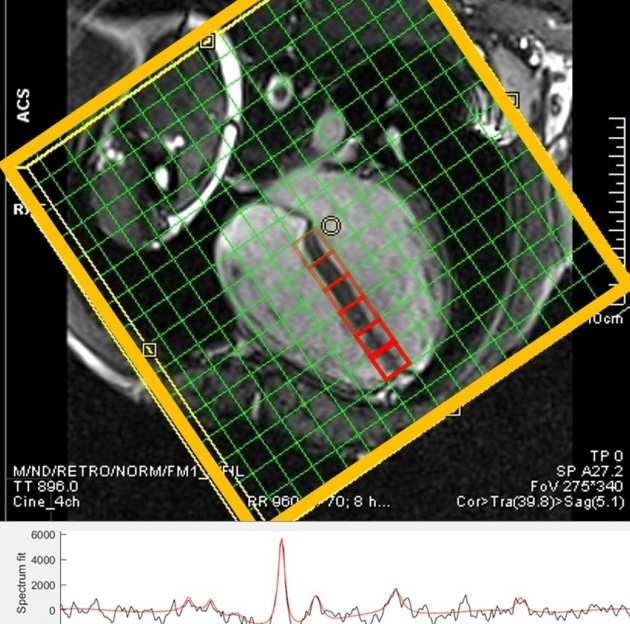 We are using 31P MRS to explore variations in cardiac muscle composition and function in a population cohort with genetic and phenotypic variants associated with cardiovascular disease.
Contact:
Ben Statton (b.statton@imperial.ac.uk)
Jan Sedlacik (j.sedlacik@imperial.ac.uk)
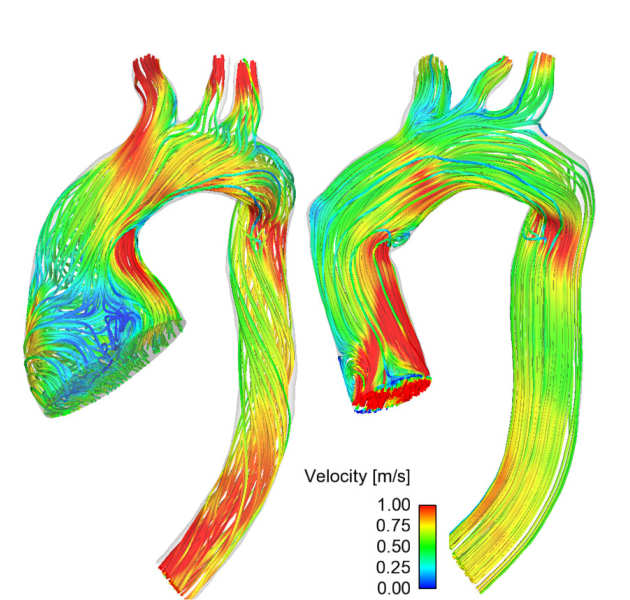 We are using 4D flow MRI to examine the relationship between aortic blood flow patterns, wall shear stress and the severity of aortic wall degradation in patients with ascending aortic aneurysms (AsAA). We aim to develop a rupture prediction model for patients with AsAA’s. using the phase-contrast MRI and biomechanical data.
Contact:
Ben Statton (b.statton@imperial.ac.uk)
Jan Sedlacik (j.sedlacik@imperial.ac.uk)
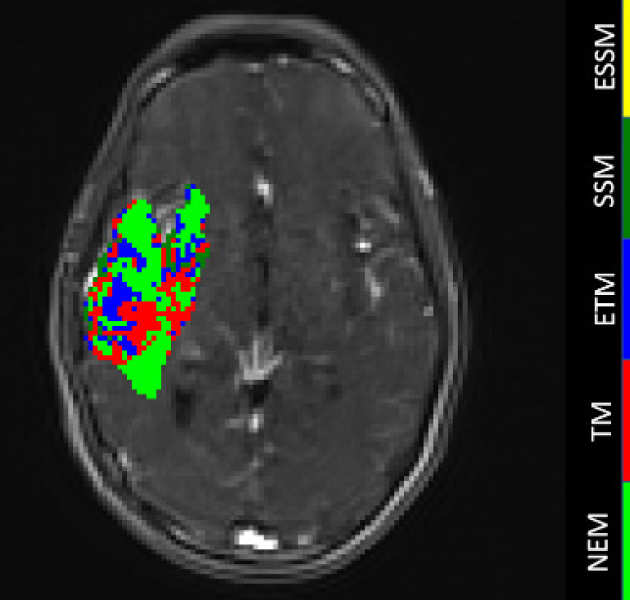 We are applying different pharmacokinetic models to DCE-MRI data to assess blood-brain barrier disruption and leakage in primary brain tumours.
Contact:
Marianna Inglese (marianna.inglese17@imperial.ac.uk)
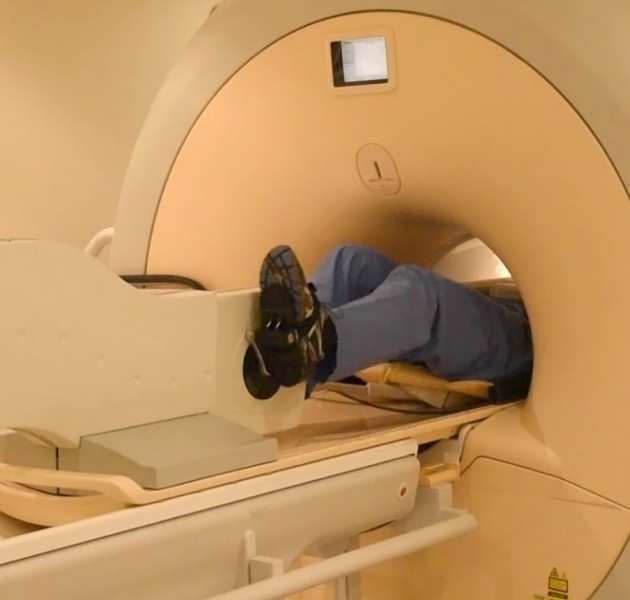 We are using exercise cardiac MRI to explore variations in cardiac function in a population cohort with genetic and phenotypic variants associated with cardiovascular disease.
Contact:
Ben Statton (b.statton@imperial.ac.uk)
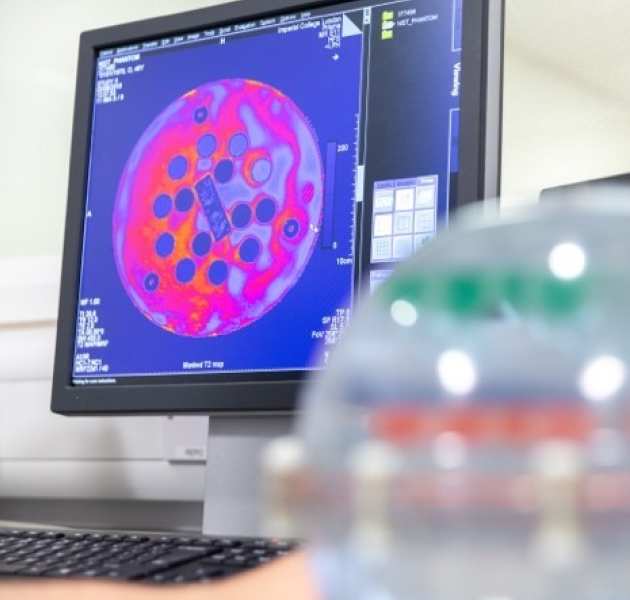 We are investigating MRF as a rapid and quantitative technique for characterising brain tumours.
Contact:
Rebecca Quest (rebecca.quest@nhs.net)
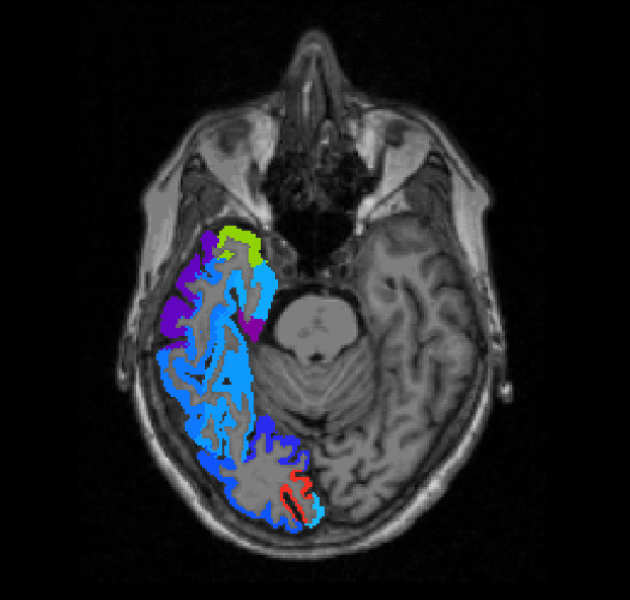 We are developing a radiomic MRI analysis method for Alzheimer’s risk prediction.
Contact:
Marianna Inglese (marianna.inglese17@imperial.ac.uk)
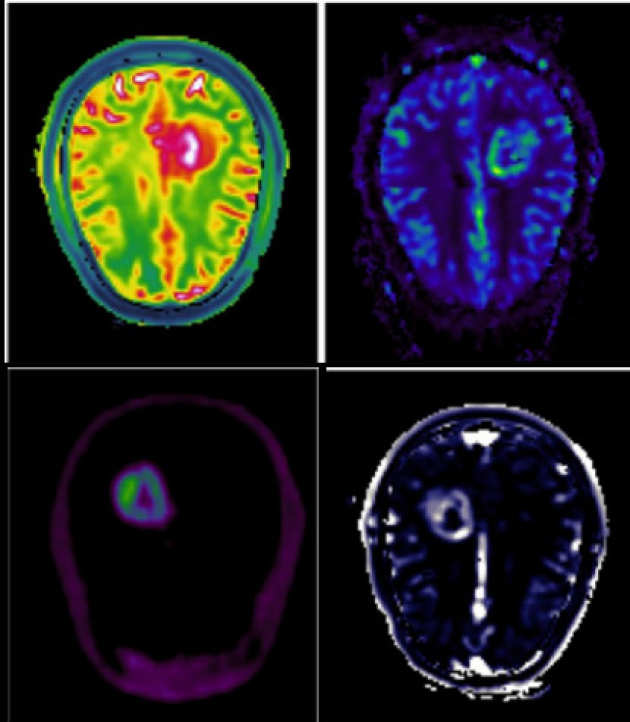 We are investigating the integration of different imaging (DCE-MRI, DWI-MRI, DSC-MRI and PET) techniques for the characterization of tumour tissue.
Contact:
Marianna Inglese (marianna.inglese17@imperial.ac.uk)
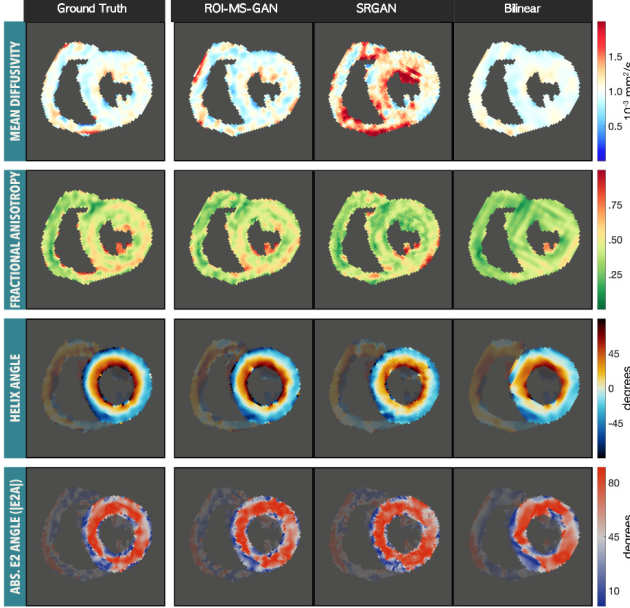 A novel deep learning-based and ROI focused multi-scale super-resolution approach is proposed to improve the apparent spatial resolution of in vivo Diffusion Tensor Cardiovascular Magnetic Resonance (DT-CMR).
Contact:
Guang Yang (g.yang@imperial.ac.uk)
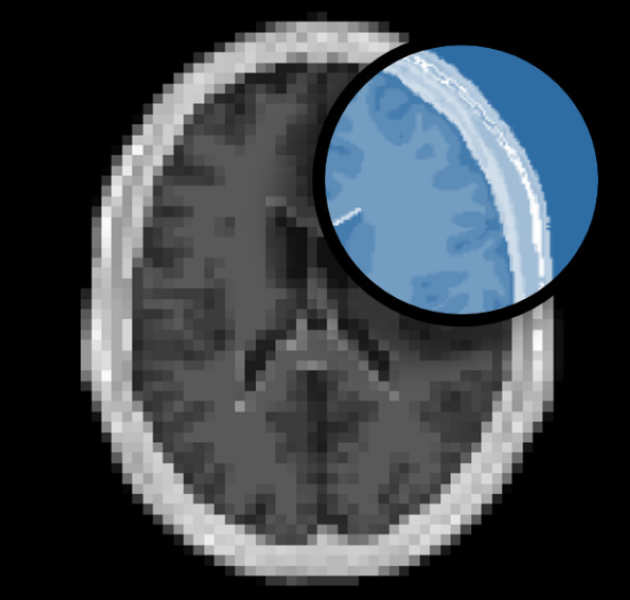 We are developing new methods to enhance spatial resolution in MRI.
Contact:
Pete Lally (p.lally@imperial.ac.uk)
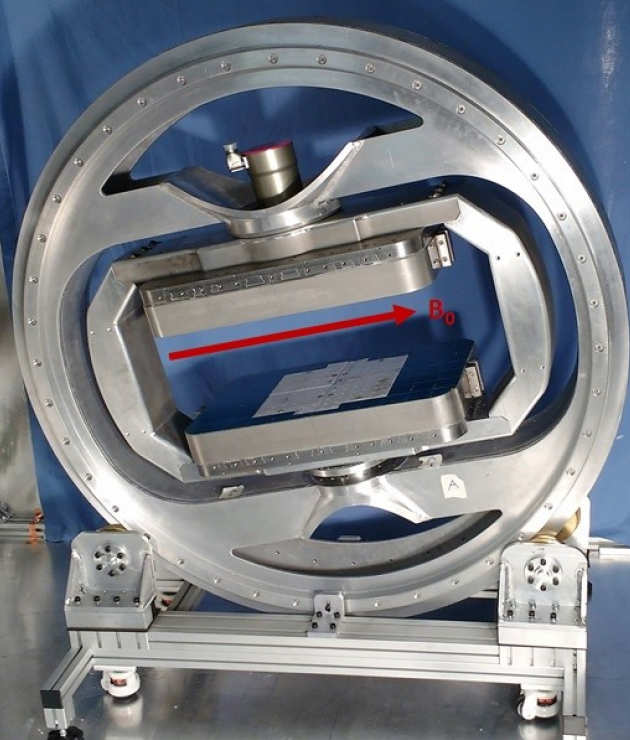 We are creating a moveable assembly with 2 DOF that provides a 'roll' and 'yaw' motion. We aim to utilise this prototype scanner with moving B0 for Magic Angle Directional Imaging (MADI) in vivo.
Contact:
Karyn Chappell (k.chappell@imperial.ac.uk)
More information is available under the Mechanical Engineering webpage 'Magnetic resonance imaging'.
Contact
For enquiries about the MRI Physics Collective, please contact:
Mary Finnegan
Senior MR Physicist at the Imperial College Healthcare NHS Trust
Pete Lally
Assistant Professor in Magnetic Resonance (MR) Physics at Imperial College
Jan Sedlacik
MR Physicist at the Robert Steiner MR Unit, Hammersmith Hospital Campus