
Explaining and understanding human behaviour
Module details
- Offered to Year 2 students
- Mondays, 16.00-18.00
- Planned delivery: On campus (South Kensington)
- Two-term module, worth 5 ECTS
- Available to eligible students as part of I-Explore
- Extra Credit, or Degree Credit where your department allows
Got any questions?
Contact the lecturer:
Dr Scott Biagi
This module explores philosophical problems that surround attempts in psychology, sociology, anthropology and other ‘human sciences’ to understand and explain human behaviour. We will begin with the age-old philosophical problem of free will, asking whether it is possible to bring our individual actions and cultural practices within the scope of a theory of mind or society.
Examples in the weeks that follow will include apparently irrational beliefs in other cultures, aesthetic and moral value judgments, mental ill health, deviant behaviour and the nature and binding force of social norms. This is an interdisciplinary module in which you will be encouraged to question your own assumptions about what makes us tick.
Please note: The information on this module description is indicative. The module may undergo minor modifications before the start of the coming academic year.
Information blocks
On completion of this module, you will be better prepared to:
- critically examine empirical studies of human behaviour and understanding;
- compare and contrast different philosophical approaches to explaining human behaviour;
- exercise critical awareness of the arguments for and against social science;
- integrate concepts which link philosophy and your degree discipline.
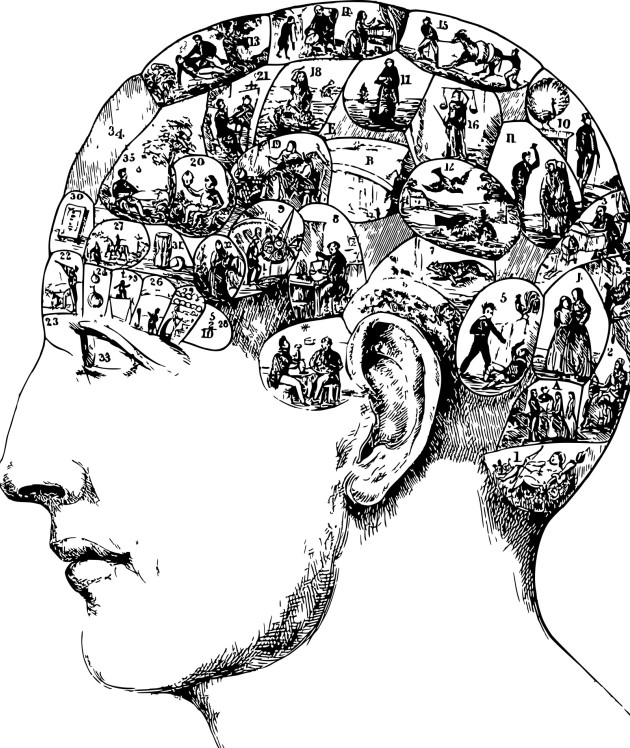 In the autumn term, we will consider psychological explanations of human behaviour from a philosophical point of view, asking:
- What it means to say that a person ‘has a mind’.
- Whether we can claim to have knowledge of the external world and of other minds.
- Whether we have direct knowledge of the contents of our own minds, where we can only infer the contents of other people’s minds from their behaviour.
We will examine some philosophical criticisms of ‘dualistic’ concepts of mind and apply them to Freud’s theory of the dynamic unconscious.
In the spring term, we will turn our attention to sociological explanations of human behaviour, asking:
- What it means to say that a person is a ‘member of society’.
- How sociological explanation differs from psychological explanation.
- How sociological explanation relates to our ordinary understanding of the social world in our everyday encounters.
We will assess the assumption that each of us has a self, that lies behind our social interactions and explore the idea that we have self (or various selves) only in relation to other people.
- Coursework: Reflective journals (50-150 words per entry; 10 entries across the whole module). (25%)
- Coursework: Structured literature review exercise (1,000 words), by the end of autumn term. (35%)
- Coursework: Video presentation (up to 10 mins), following a question set by the module tutor, by the end of spring term. (40%)
Reflective journals: You will produce routine written entries in class, reflecting reading material and classroom discussion.
Structured literature review to be completed by the end of autumn term. You will analyse positions adopted by authors in the module’s primary and secondary reading lists.
Video presentation to be completed by the end of spring term. You will deliver an oral response to a question set by the tutor, to be videorecorded and uploaded to the VLE.
- Requirements: You are expected to attend all classes and undertake approximately 85 hours of independent study in total during the module. Independent study includes reading and preparation for classes, researching and writing coursework assignments and preparing for other assessments.
- This module is designed as an undergraduate Level 5 module. For an explanation of levels, view the Imperial Horizons Level Descriptors page.
Module materials
Module materials will be accessible via Imperial's Library Services.