.jpg)
Inspiring the scientists of tomorrow
Contact us
Please get in touch via school-teams-prize@imperial.ac.uk with any queries.
In 2025, the National Heart and Lung Institute and the British Heart Foundation’s Centre of Research Excellence at Imperial offered our 5th Annual Science in Medicine School Teams Prize to engage sixth form school students with science in medicine.
video playlist

Webinar introducing the 2026 School Teams Prize
Webinar introducing the 2026 School Teams Prize
Five Years of the Science in Medicine Teams Prize
Professors Dorian Haskard and Cecilia Johansson, speak to previous participants of the prize.
Join Professors Dorian Haskard and Cecilia Johansson, prize coordinators for the Imperial Science in Medicine School Teams Prize, as they sit down with previous participants of the prize to reflect on five inspiring years of innovation and collaboration.
Webinar introducing the 2025 School Teams Prize
Webinar introducing the 2025 School Teams Prize
Webinar introducing the 2024 prize
Webinar introducing the 2024 School Teams Prize
Webinar introducing the 2023 prize
Webinar introducing the 2023 School Teams Prize
Webinar introducing the 2022 prize
Webinar introducing the 2022 Science at Heart and Lung School Teams Prize
The aims were to encourage students to:
- stretch beyond the school curriculum, think outside the bubble of traditional biomedical fields, and learn about the excitement of research.
- consider how trends in science and engineering will impact on health and medicine in the future.
- understand the importance of a multidisciplinary approach and teamwork to effective research and development for improvements in public and individual health.
- forward think realistically by realising the importance of affordability, availability and acceptability in translating inventions towards a reduction in inequality-related poor health outcomes.
- appreciate the importance of effective communication in rolling out scientific developments, via the use of art and design.
The Rules
Teams had to design an ePoster which illustrated a strategy for combining science with biomedicine to improve health and reduce deaths and disabilities. They were free to choose the design of the poster but were advised to describe clearly what problem was addressed, the anticipated innovation(s), and steps along the way to implementation.
- The judges were looking for evidence that the vision considers affordability, availability, and acceptability in translating science and/or engineering towards improved health.
- Teams were advised to indicate how each member contributed to the poster so that teamwork could be scored.
- Students had to be less than 19 years old at the start of the school year.
- The poster needed to be pitched to communicate to non-experts, for example fellow sixth form students.
- For each prize, the top scoring teams were invited to present their posters at an online finals event. Please see at the bottom of this page for a list of this year’s Prize winners.
The British Heart Foundation Cardiovascular Prize
This year the prize focuses on diet and nutrition as a science in the prevention of cardiovascular disease. Posters should outline the scientific foundations for a general or specific dietary plan for actively promoting cardiovascular health and provide strategies for evaluation, dissemination and public adoption. The prize is supported by the Imperial British Heart Foundation Centre of Research Excellence and the Cardiovascular Theme of the Imperial NIHR Biomedical Research Centre.
The Lung Prize
Submissions could focus on any aspect of novel prevention or treatment of respiratory disease or on a non-pharmaceutical approach to improving the quality of life and well-being of people with chronic lung disease. The submission should also consider how to assess the effectiveness of such interventions. This prize is funded by the National Heart and Lung Institute and the Respiratory Theme of the Imperial NIHR Biomedical Research Centre.
The Rare Autoimmune Rheumatic Disease Alliance (RAIRDA) Prize
Rare autoimmune rheumatic diseases include Lupus, Scleroderma, Sjögren’s disease and Vasculitis. Patients often face common challenges which impact their quality of life, such as fatigue, consequences of immunosuppressant treatment, and navigating life with a fluctuating and often invisible chronic illness. Non-pharmaceutical approaches like nutrition, psychological support, and exercise can support people to improve their quality of life, but testing and researching these solutions can be difficult in traditional clinical trials. Your challenge is to design an innovative, non-pharmaceutical solution based on science/technology to help improve the quality of life and wellbeing of people with RAIRDs. You should consider how to assess the effectiveness and promote the implementation of such intervention. This prize is supported by the RAIRDA – The Rare Autoimmune Rheumatic Disease Alliance and the Immunology Theme of the NIHR Imperial Biomedical Research Centre
The Global Health Prize
Climate change is impacting the health of people around the world in many ways. Choose a specific health issue impacted by climate change (e.g., following an extreme weather event, displacement of people, food insecurity, vector-borne disease etc.). Your challenge is to (1) Clearly explain the science behind how climate change impacts this health issue, and (2) Design a practical and innovative approach to mitigate this health impact within the next 10 years. You can consider solutions that could be implemented in the UK, in a low/middle income country or globally. This prize is supported by the Imperial College School of Public Health.
Cancer Research UK Convergence Science Centre contest
Cancer treatment is a challenging journey, often long and painful for patients undergoing chemotherapy, radiotherapy, or surgery. While the treatment itself cannot be altered, innovative solutions can help make the experience more supportive and comforting for patients. The task is to develop an idea based on science/technology that enhances the patient journey by offering guidance, distraction, or emotional support during treatment. We welcome all types of innovations, such as medical devices, apps, games, or content materials (written, audio, animated, etc.) that help patients cope with their treatment experience. This contest is supported by the Cancer Research UK Convergence Science Centre.
- Prizes for each contest are; First Prize - £3000, Second Prize - £2000 and Third Prize - £1000, and are intended for supporting science-related activities in the winning schools.
- Prize-winning teams will be offered the opportunity for online mentoring session with an academic.
- Prize-winners may be invited to submit blogs on their submissions.
- All team members will receive personal certificates of participation.
- Participation can help strengthen university or job applications and prepare for interviews.
- Prize winning teams may be invited to work with Imperial staff to disseminate their ideas more widely.


2025 Contest Winners
- The BHF Cardiovascular Prize
- The RAIRDA Prize
- The Global Health Prize
- The Cancer Research Prize
- The Lung Prize
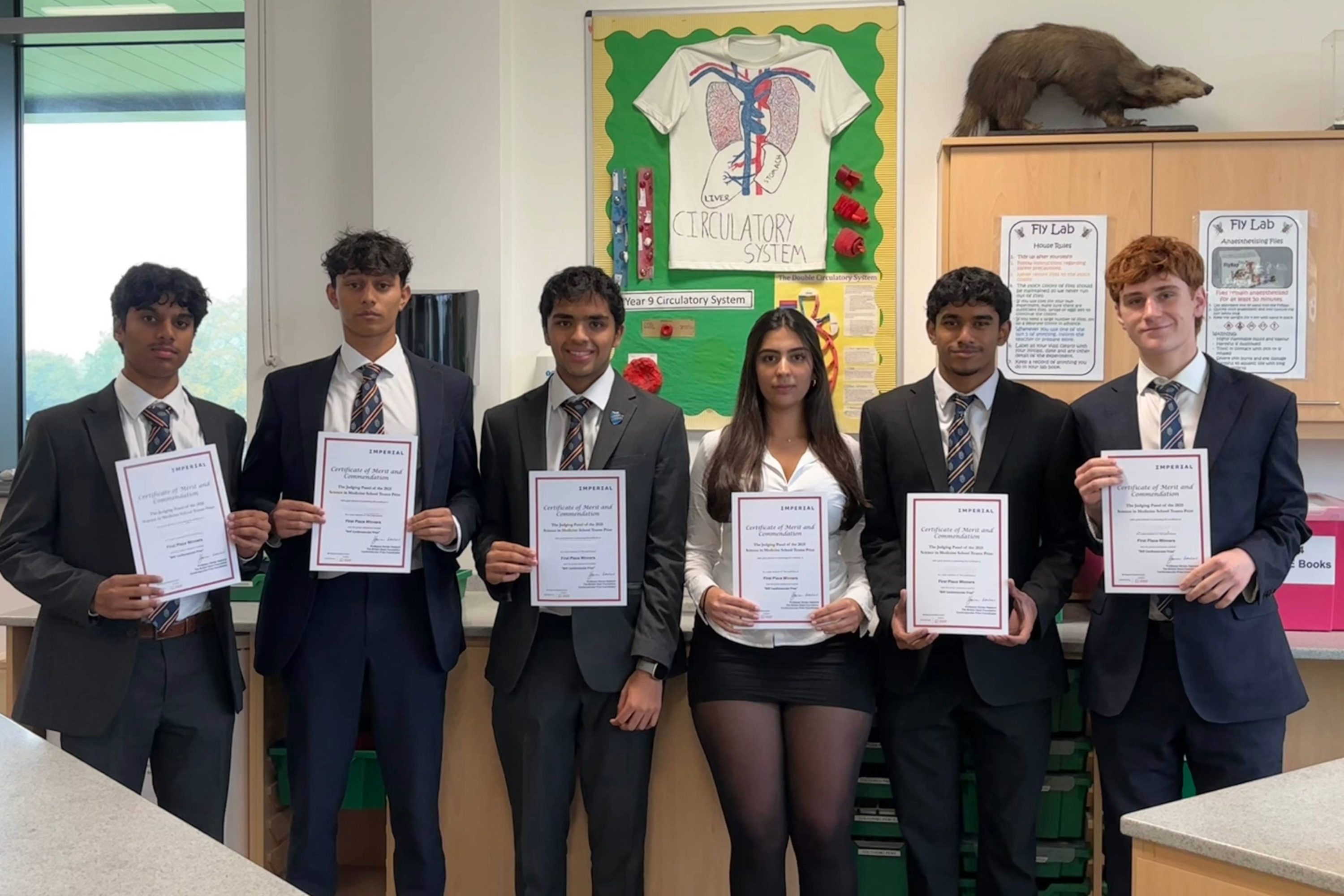
First Place
- The Judd School with “BHF Cardiovascular Prize"
Second Place
- The Perse School with “Heart Buddy”
Joint Third Place
- Simon Langton Girls' Grammar School with “Heart Health Starts in the Highchair”
- Clyst Vale Community College with “eat2beat”
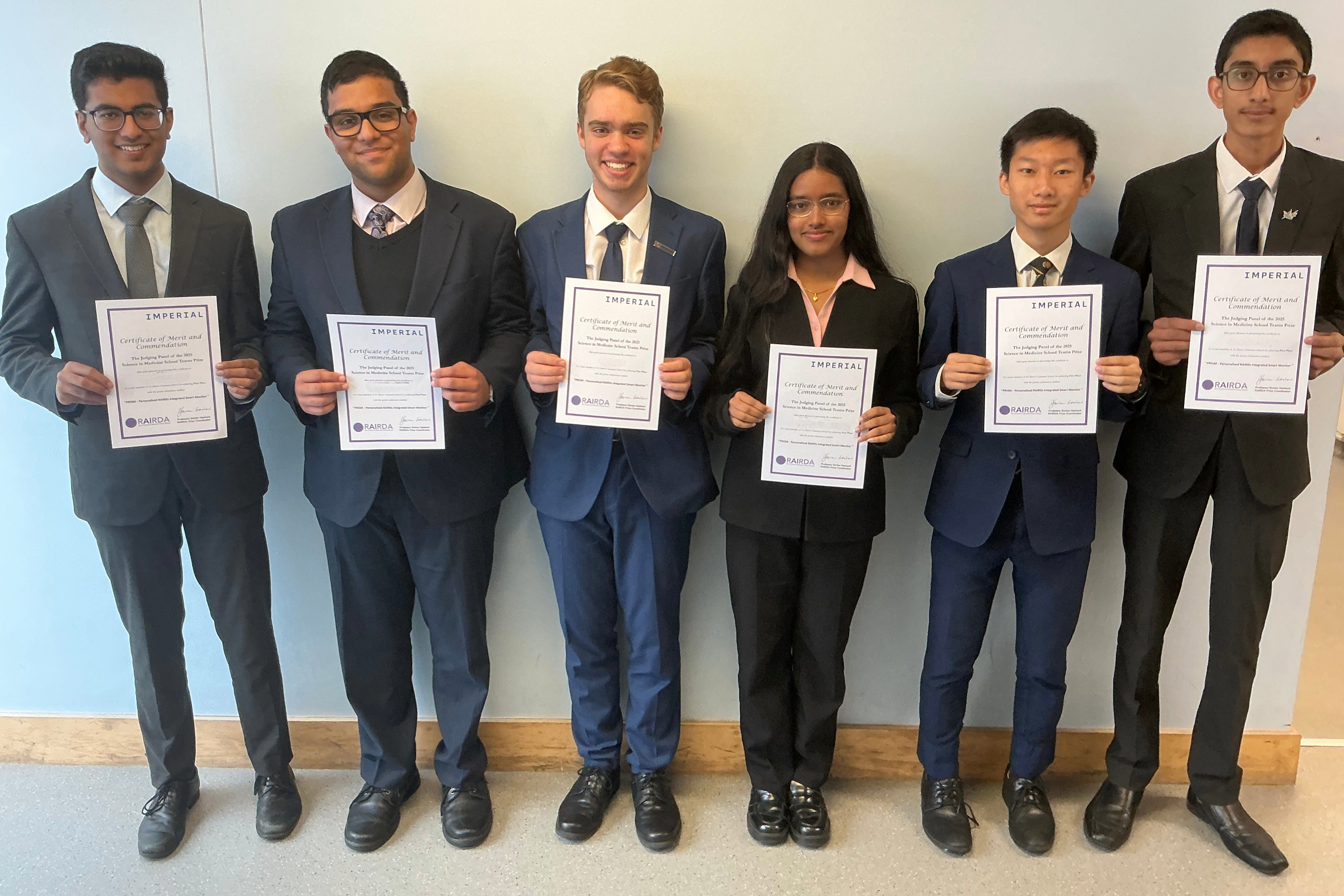
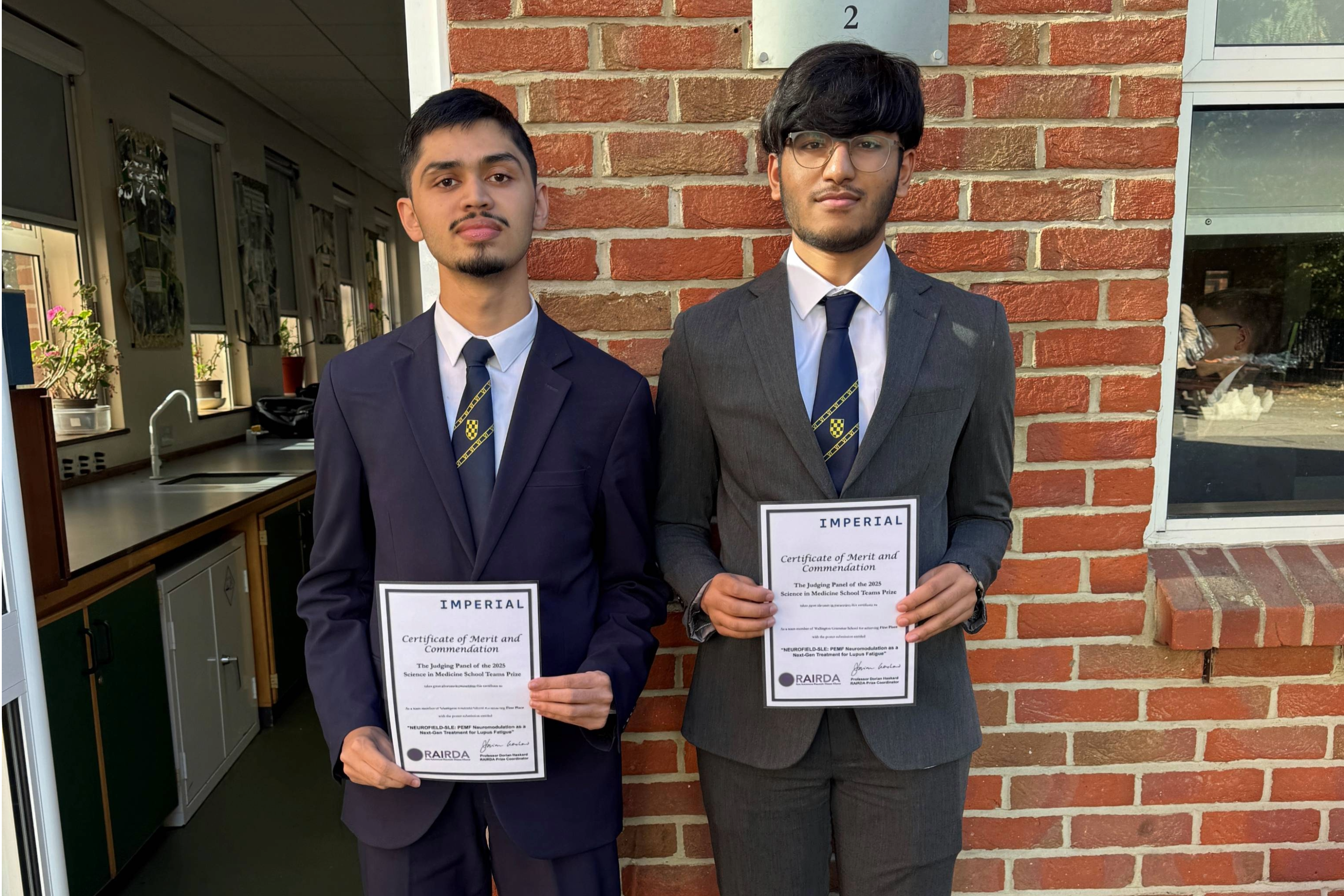
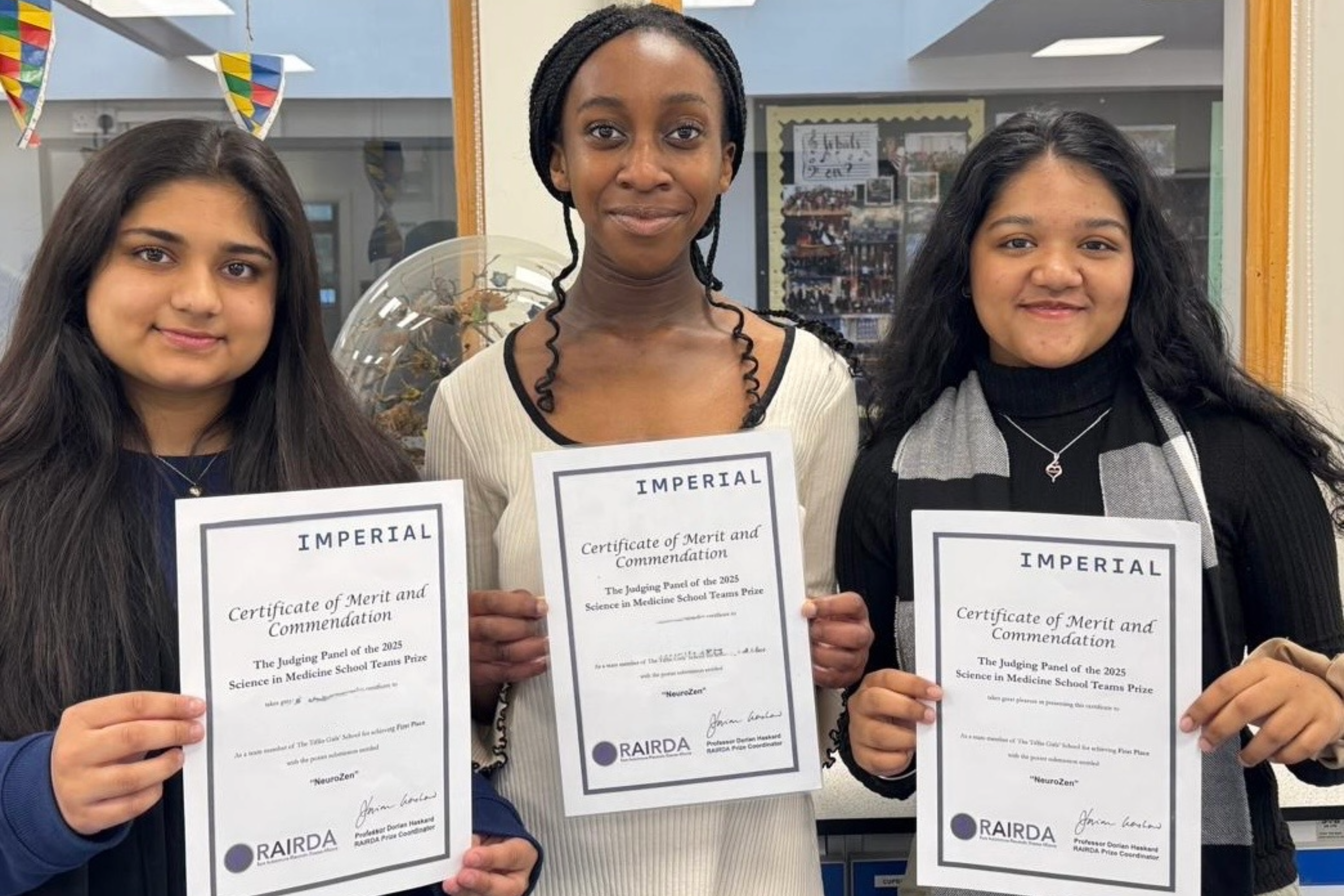
Joint First Place
- St Olave’s Grammar School with “PRISM - Personalised RAIRDs Integrated Smart Monitor"
- Wallington County Grammar School with “NEUROFIELD-SLE: PEMF Neuromodulation as a Next-Gen Treatment for Lupus Fatigue”
- The Tiffin Girl’s School with “NeuroZen”
Joint First Place
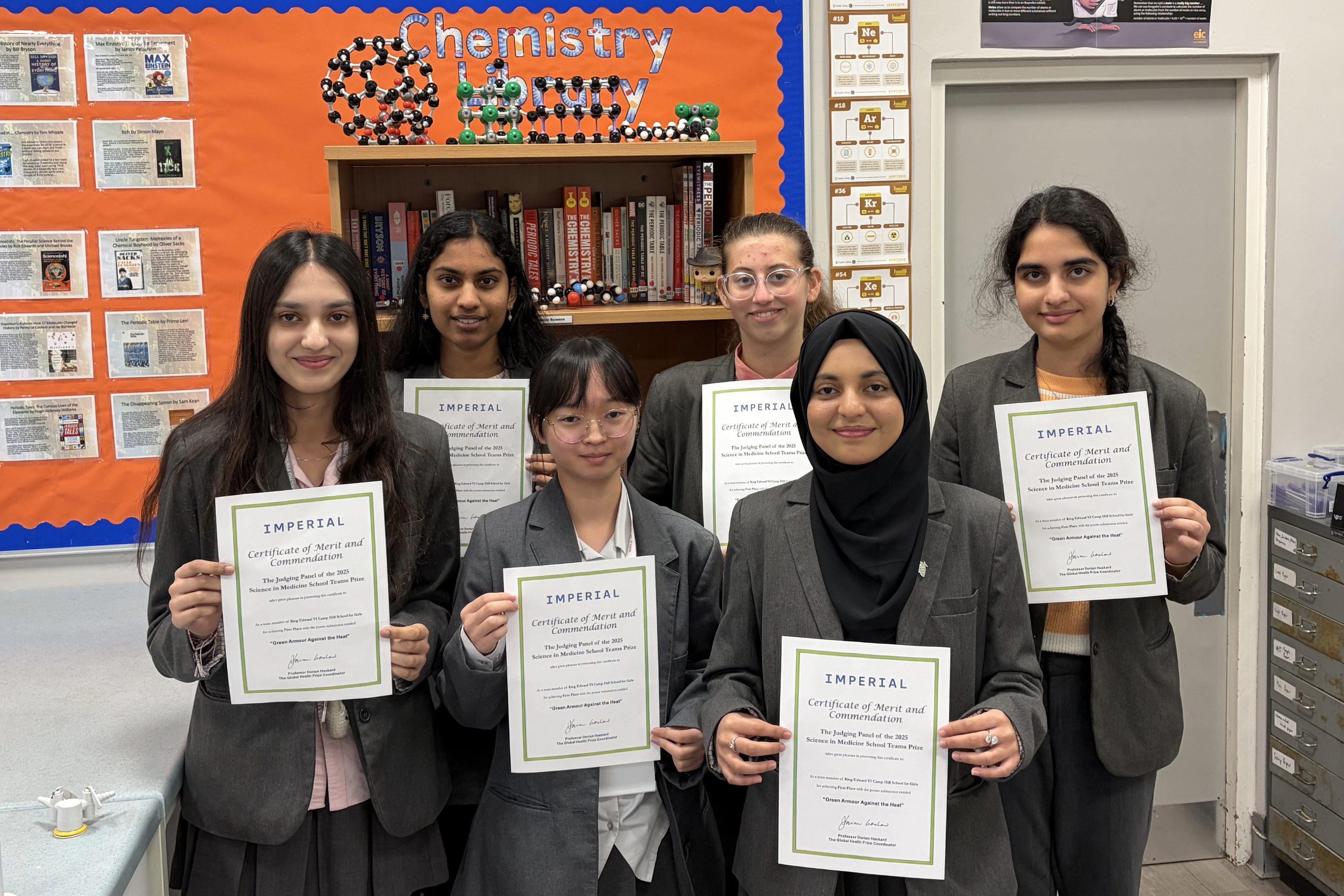
- King Edward VI Camp Hill School for Girls with “Green Armour Against the Heat”
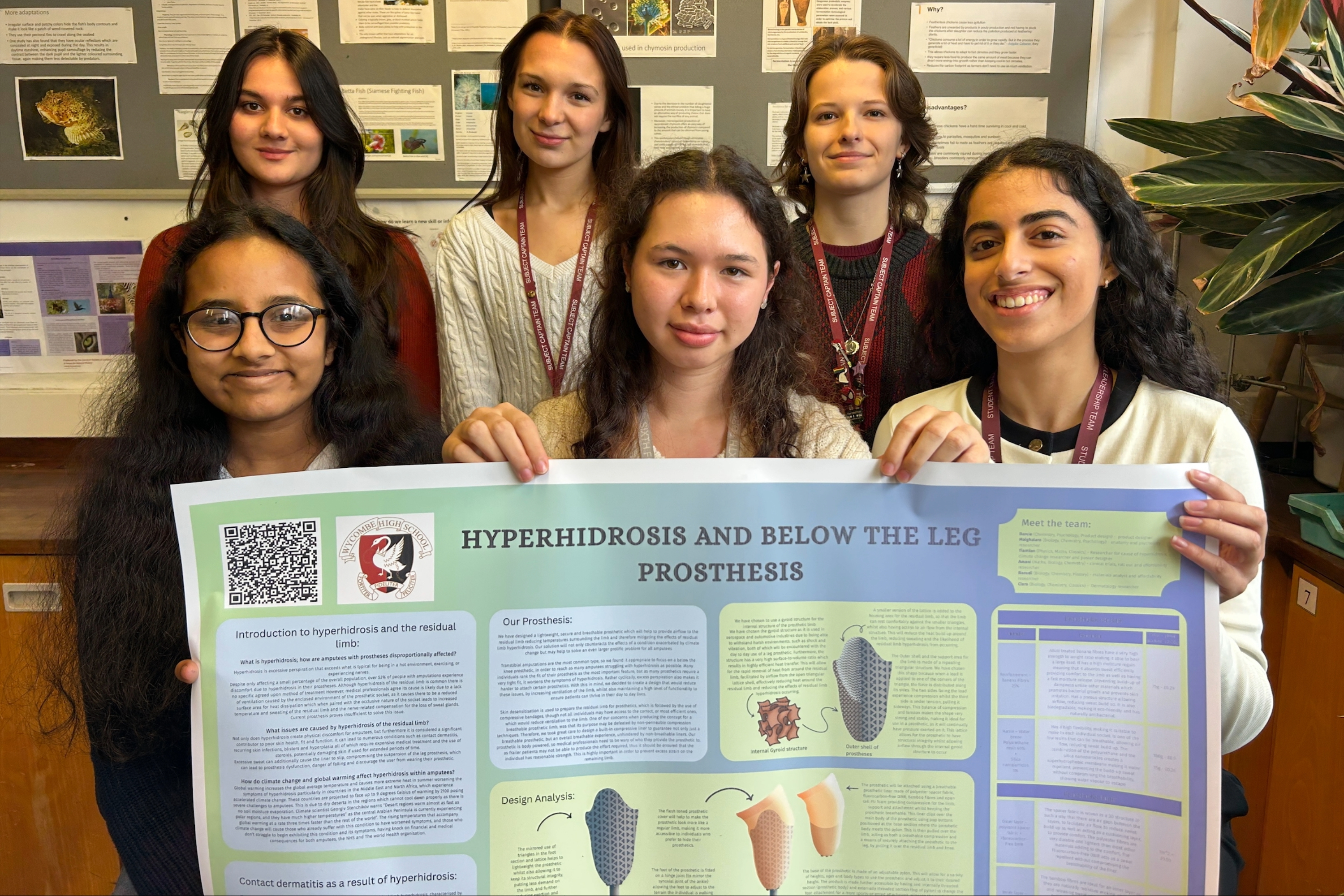
- Wycombe High School with “Hyperhidrosis and Below the Leg Prosthesis”
Second Place
- Newham Collegiate Sixth Form with “Konzo Care”
First Place
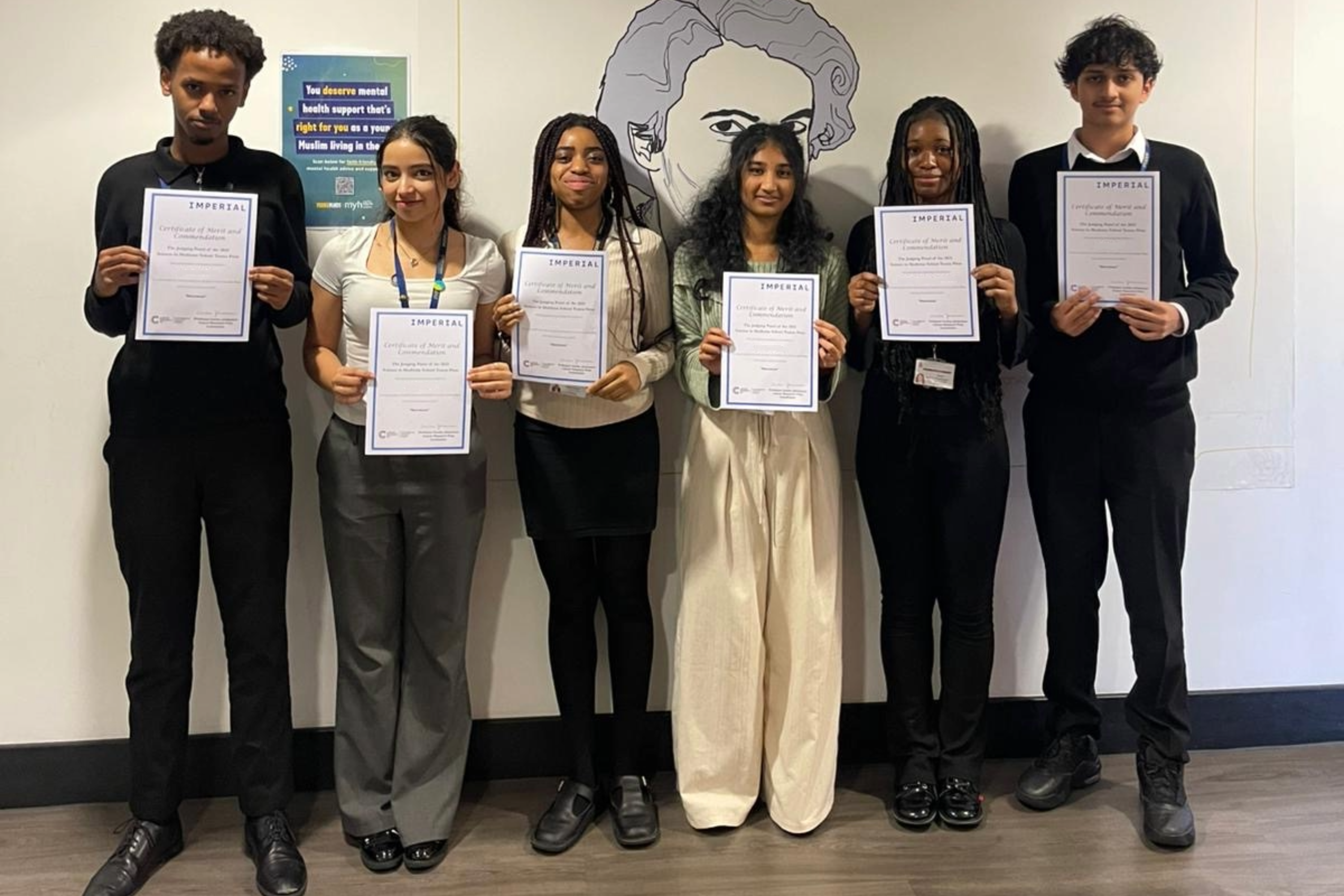
- London Academy of Excellence Stratford with “Neuroease”
Second Place
- Perse School Cambridge with “Introducing Mucoshield”
Joint Third Place
- Invicta Grammar School with “Children’s Cancer Pals”
- The Douay Martyrs Catholic Secondary School with “NeuroLens”
First Place
- Cardinal Vaughan Memorial School with "The London Airgrid"
Joint Second Place
- St Mark's Catholic School with "Muclear Bacteria"
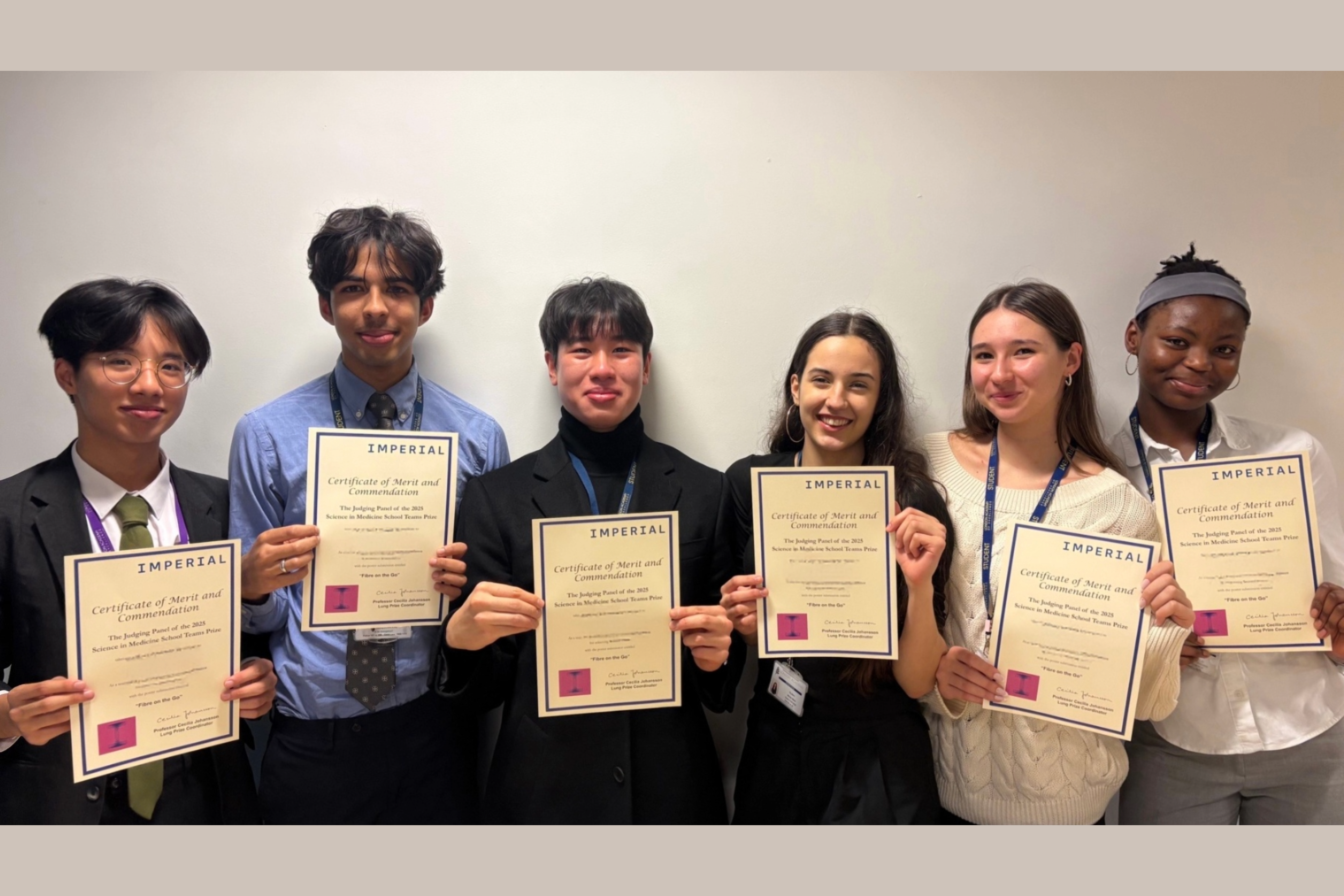
- London Academy of Excellence Stratford with "FIBRO-ON-THE-GO"
Previous Winners
Lung
First Prize: Concord College
Runners Up: Pate's Grammar School and Cheltenham College
BHF Cardiovascular Prize
First Prize: Concord College (Cardiovascular)
Runners Up: Impington International College, Wilson's School and St Olave's Grammar School
SRUK
First Prize: King Edwards School, Bath
Runners Up: Kendrick School and St Olave's Grammar School
Vasculitis
First Prize: Cheam High School and St Olave's Grammar School (Vasculitis)
Runners Up: Winstanley College and Merchant Taylors' School
Global Health
First Prize: Kendrick School and Waldegrave School
Runners Up: Simon Langton Girls Grammar School, Torquay Girls' Grammar School, Yarm School
BHF Cardiovascular Prize
Joint First Prize: Roundwood Park School and Chigwell School
Second Prize: Merchant Taylor's School
Lung Prize
First Prize: Saint Olave's Grammar School
Joint Third Prize: Kimberley Sixth Form College and Westminster school
Scleroderma and Raynaud’s Prize
Joint First Prize: Newham Collegiate School and Kings School, Canterbury
Second Prize: Watford Grammar School
Heart and Circulation Prize
Joint First Prize: Oxford International College and Winstanley College
Joint Third Prize: Yarm School and Henrietta Barnett School
Lung Prize
First Prize: Concord College
Second Prize: St Olave's Grammar School
Joint Third Prize: Wycombe High School and North London Collegiate School
BHF Heart School Teams Prize
First Prize: Featherstone School
Second Prize: Yarm School
Joint Third Prize: Concord College and Malvern St James
We will update this page with details of the 2026 competition as they become available; we hope to see you next year!
For any queries, please email school-teams-prize@imperial.ac.uk.
General enquiries
BHF Centre of Research Excellence
ICTEM Building
Hammersmith Campus
Du Cane Road
London W12 0NN
BHF Centre Manager
Dr Magdalena Zak
m.zak1@imperial.ac.uk
Follow us on X
Follow us on Bluesky
Follow us on LinkedIn

