We are interested in the synthesis and reactivity of unique organometallic complexes. Follow the links for a full publications list and an outline of our research areas.
Highlights:
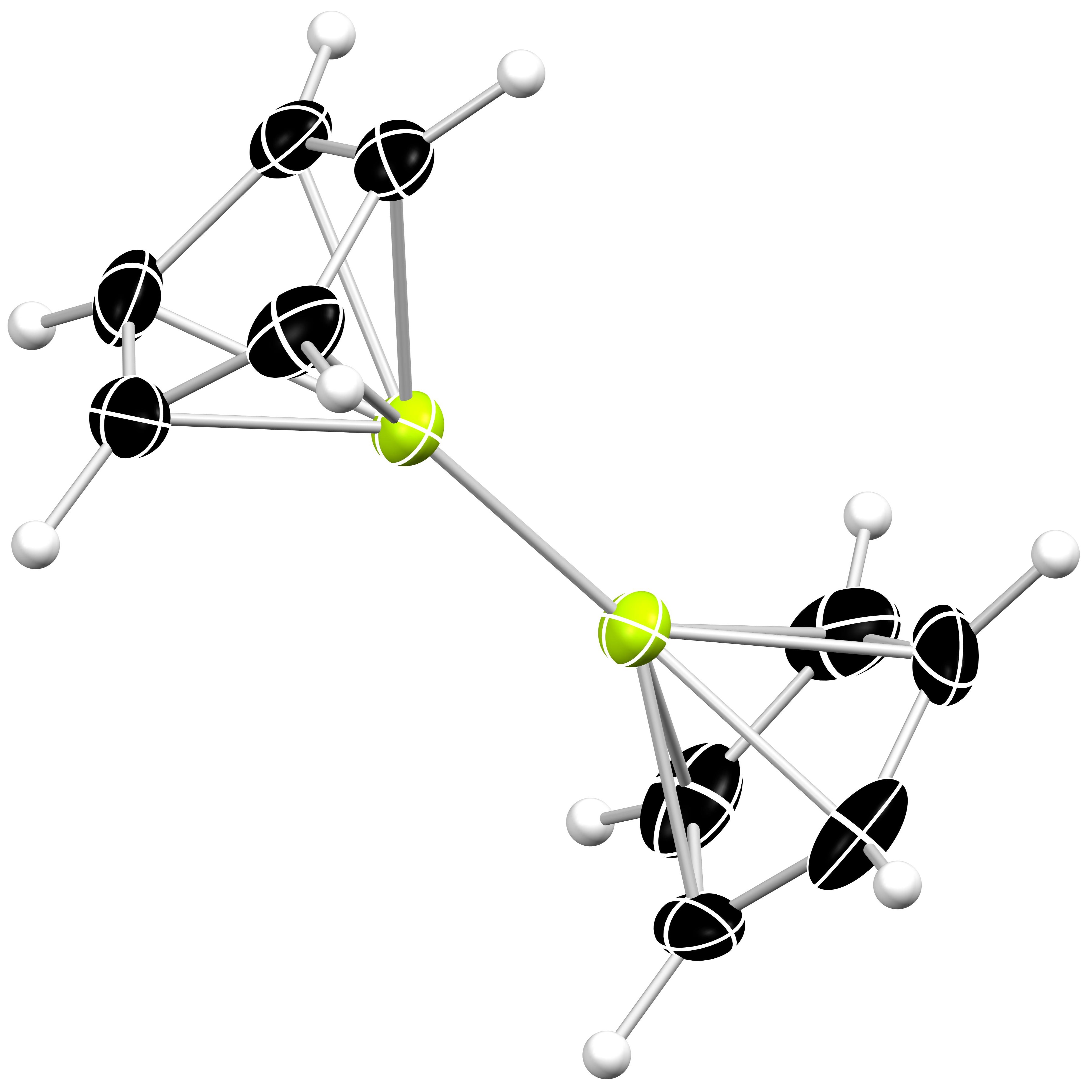 The First Be–Be Bond
Diberyllocene, a stable compound of Be(I) with a Be–Be bond. Science, 2023
The lightest elements, like beryllium, form the basis for our models of chemical bonding. We synthesised the first example of a stable complex with a Be–Be bond, diberyllocene, which had been the subject of numerous attempted syntheses and theoretical studies over the preceding five decades.
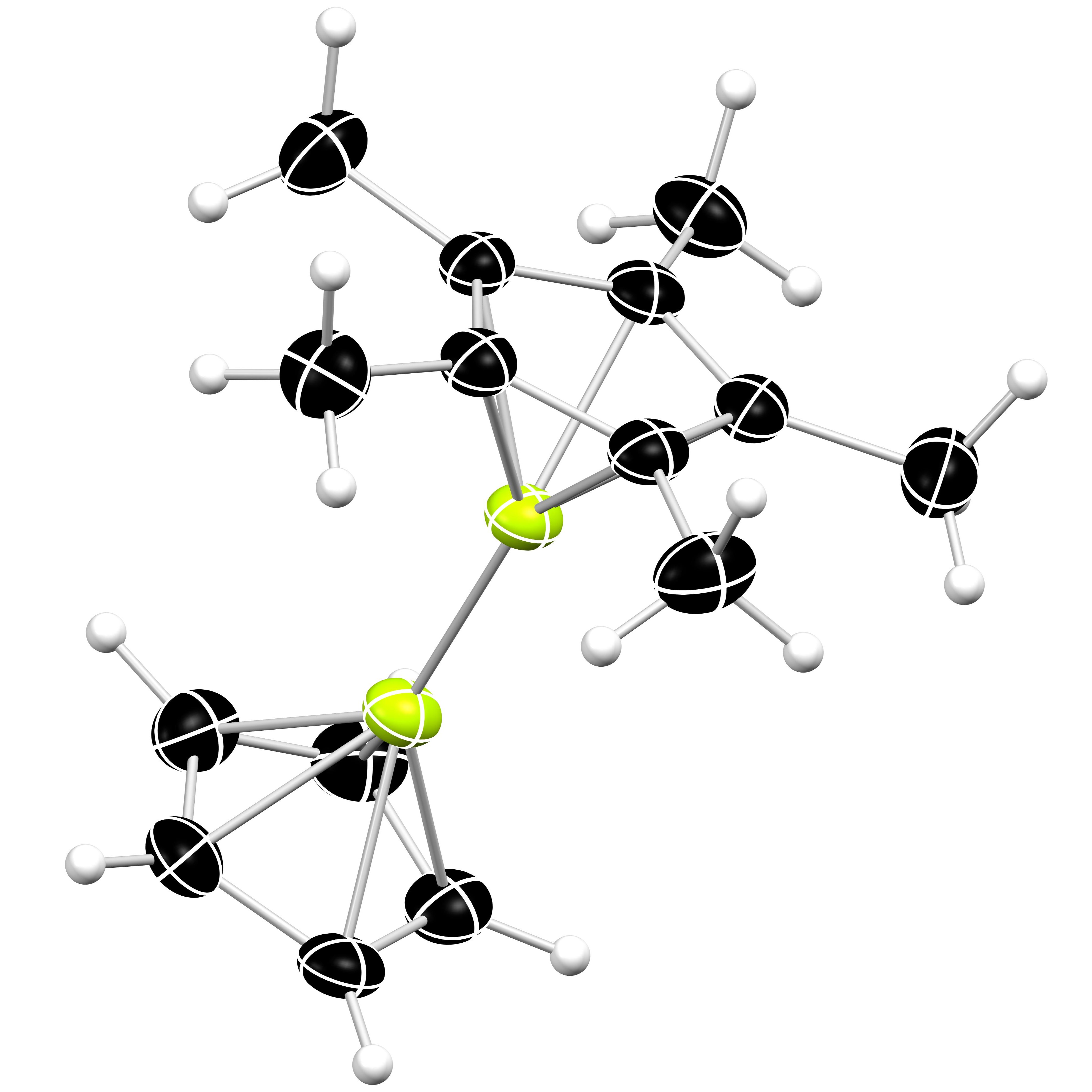 Comparing Beryllium and Boron
A Nucleophilic Beryllyl Complex via Metathesis at [Be–Be]2+. Nature Chemistry, 2024
Beryllium and boron are "neighbours" in the Periodic Table. We synthesised a complex with a polarised Be–Be bond, revealing the similarities between diberyllanes and diborane(4) derivatives for the first time. This has implications for our appreciation of periodic trends.
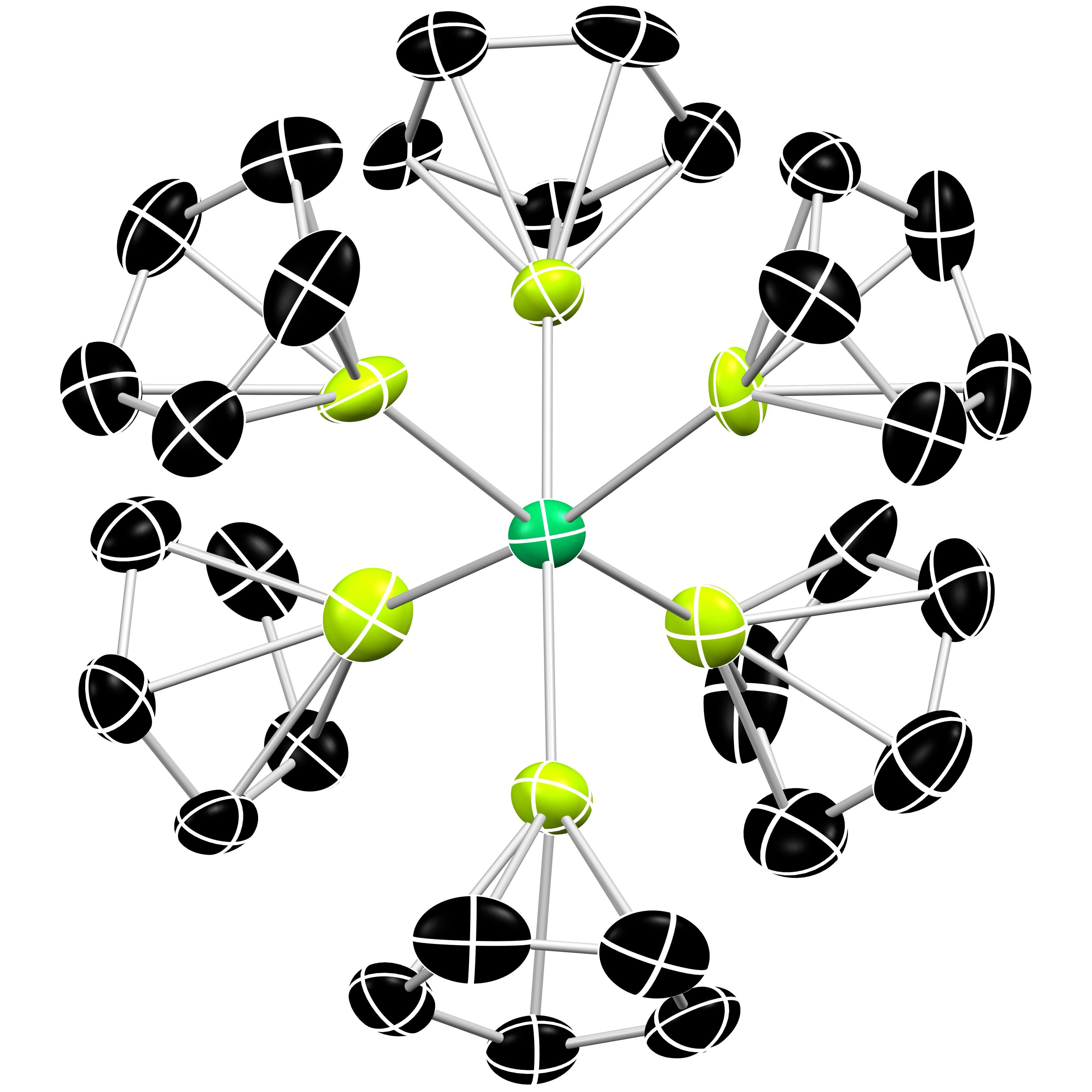 The First Hexavalent Nickel Complex
A Crystalline NiX6 Complex. Journal of the American Chemical Society, 2024
High valent nickel complexes are key intermediates in nickel-catalysed carbon-carbon cross-couplings and carbon-hydrogen bond functionalisations, as well as in the biochemical activity of metalloenzymes. We synthesised the first hexa-valent nickel complex. Before this, the tetra-valent state was the highest known for this transition metal.