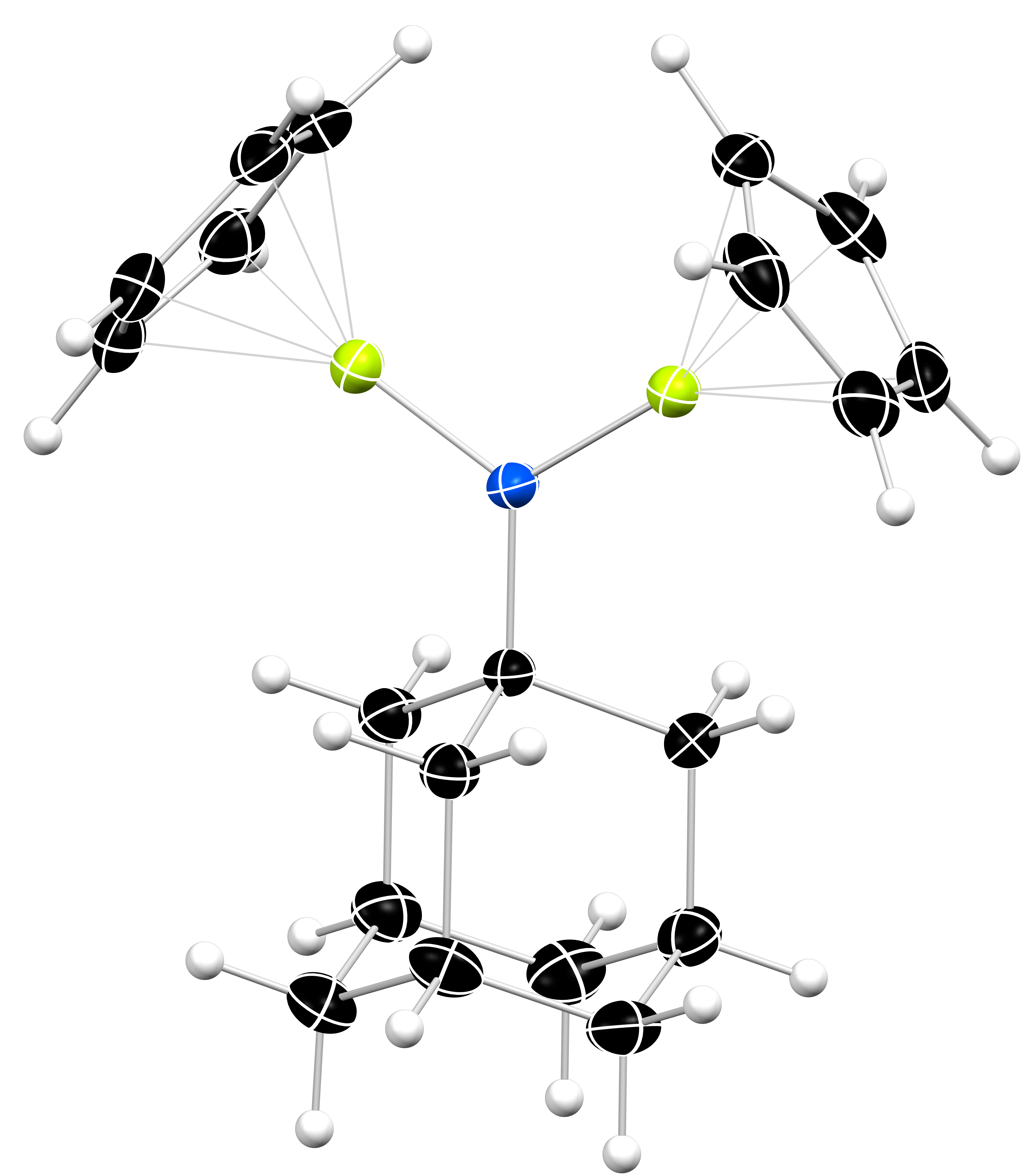
Beryllium, the Periodic Table’s fourth element, is unique. Its atoms are the smallest of any metal, it exhibits unsurpassed Lewis acidity, and – although it is an s-block element – its chemical bonds comprise a remarkable degree of covalent character. Despite these notable attributes, beryllium chemistry remains largely unexplored, mostly due to the element’s toxicity. Nonetheless, because the properties of the lightest elements underpin many of our bonding models, developing a comprehensive understanding of beryllium’s chemistry is of fundamental interest and importance.
Metal–Metal Bonding
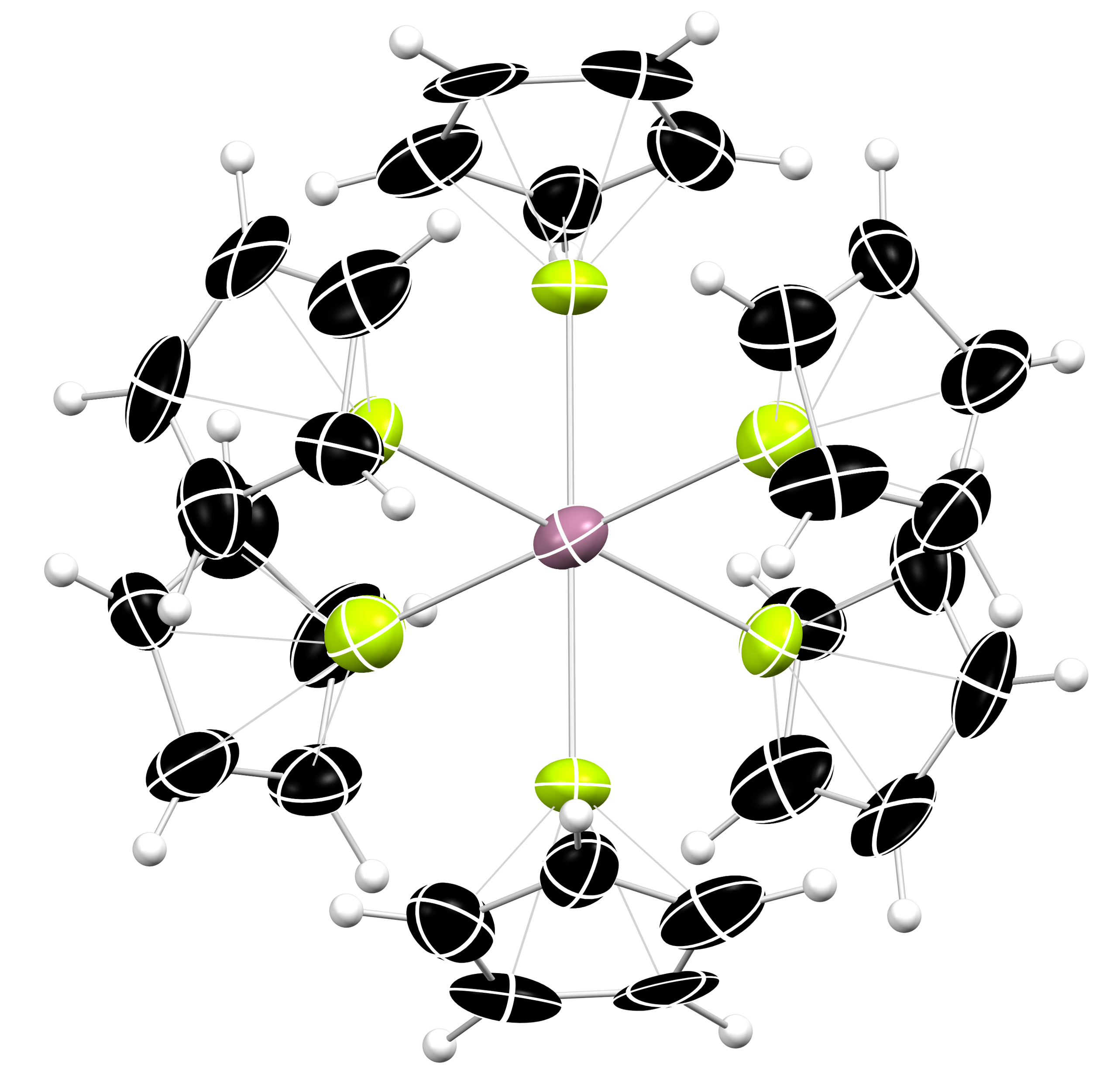
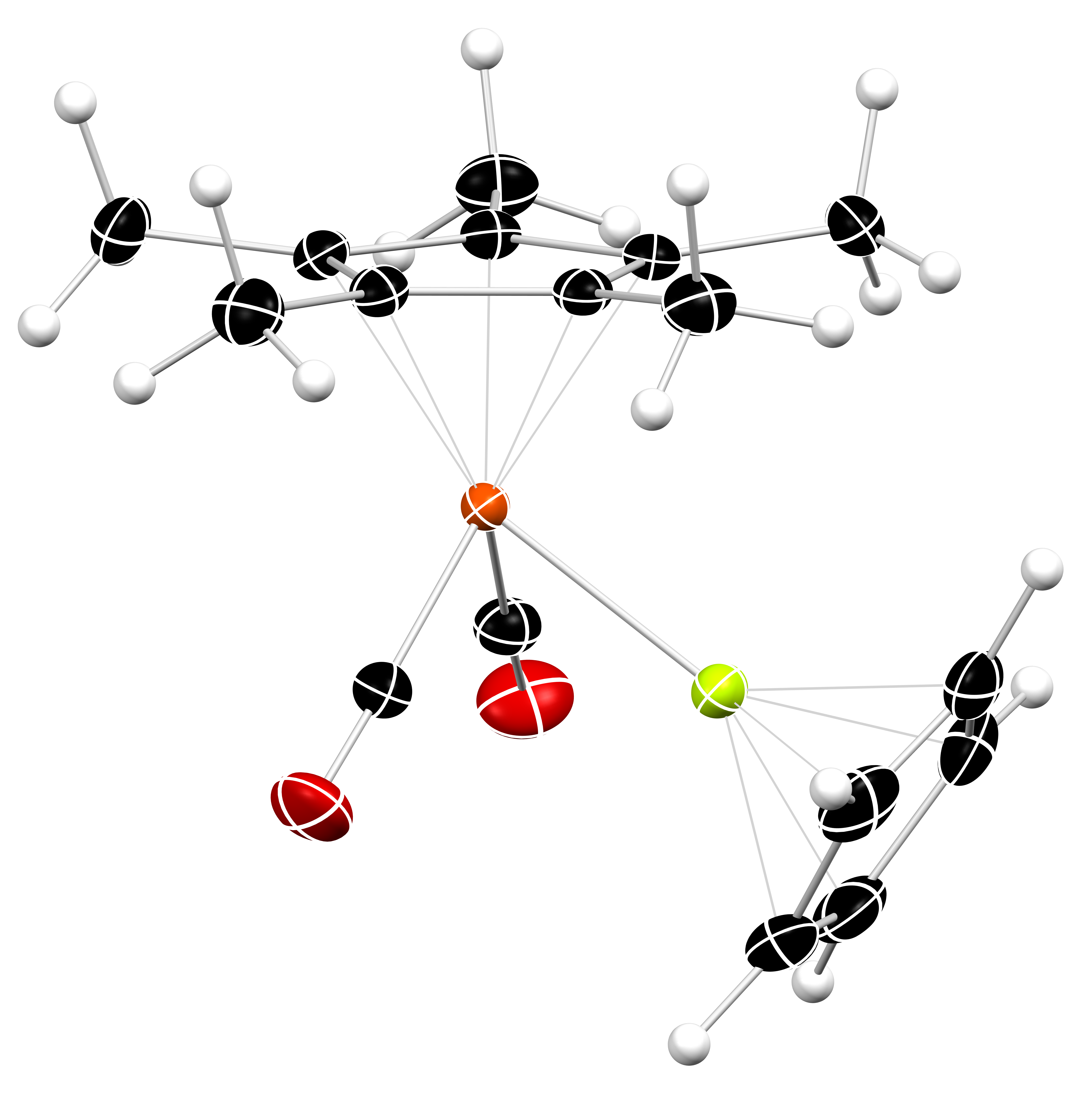
Classical models of chemical bonding often fail to capture the true nature of interactions between two (or more) metal atoms. Developing a deeper understanding of metal–metal bonding is therefore an important challenge in fundamental chemistry. In addition, molecules containing metal–metal bonds may be viewed as soluble, molecular-scale fragments of bulk metals and can be interrogated using a wide range of analytical techniques that cannot be applied to extended solid-state materials. Through the targeted study of unusual and unconventional metal–metal interactions, we seek new insights into the chemistry and properties of some of the most neglected and intriguing elements of the Periodic Table.
C–H Functionalisation
Inert C–H bonds constitute much of the molecular fabric of the world around us, from biomolecules and pharmaceuticals to plastics and fuels. Transforming these strong, non-polar bonds into more useful functional groups – a process known as C–H functionalisation – remains a central challenges in modern synthetic chemistry. We are interested in developing new catalysts based on abundant, non-toxic elements that enable the selective functionalisation of unactivated hydrocarbons. In doing so, we aim to present sustainable and efficient strategies for converting hydrocarbon feedstocks into valuable chemical products.