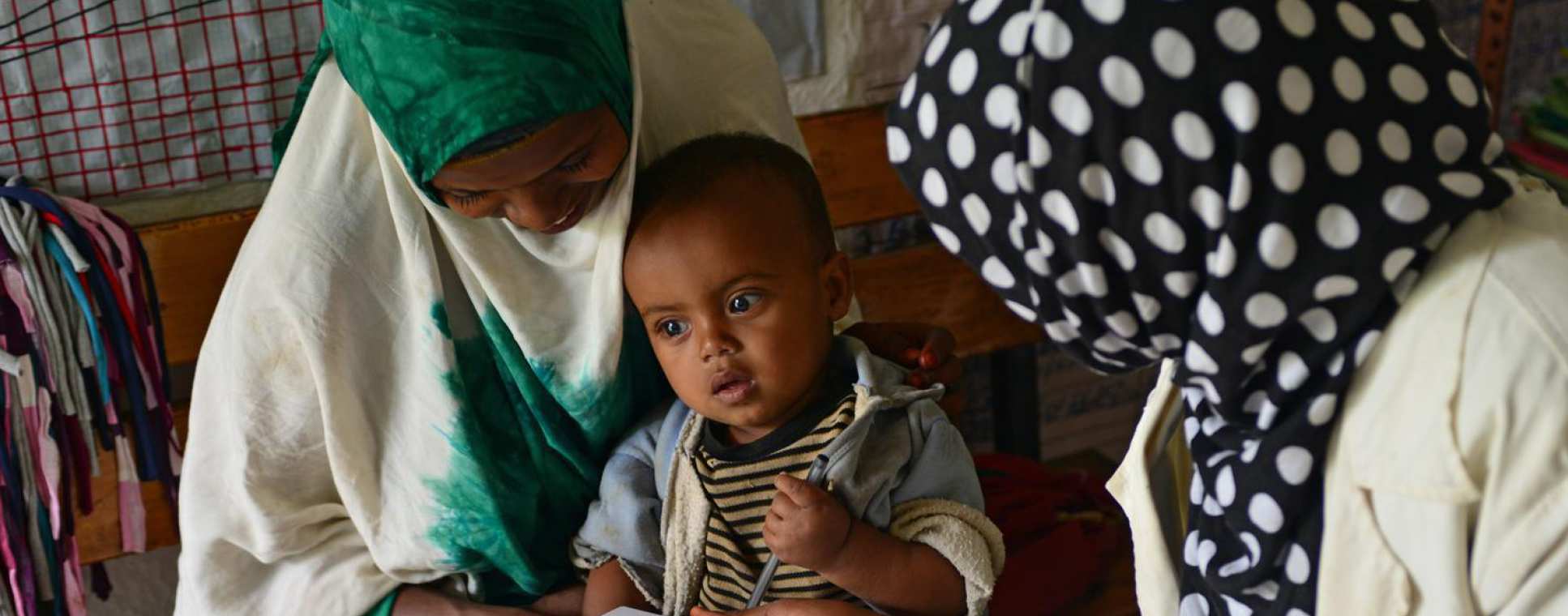
The Centre of African Research and Engagement (CARE) has contributed significantly to the study of paediatric severe life-threating illness in sub-Saharan Africa.
Led by Professor Kath Maitland, the team has highlighted the unique importance of emergency-care research as a highly targeted and cost-effective way to tackle childhood death in this low-resource region, an area previously neglected for investment by funders and policymakers.
Over the last 25 years, the team has undertaken pioneering clinical investigative research on severe malaria, sepsis, severe malnutrition and severe anaemia in places with limited resources. Their high-quality physiological studies and clinical trials have generated essential evidence for managing patients and informing national and international policy. To enable such research to be put into practice, Professor Maitland has built a network of African sites, invested in training, developed local capacity, and introduced sophisticated technologies and applied them in the field to study common and important diseases of Africa. Her leadership of, and engagement with, her multidisciplinary team has resulted in significant professional development and a new generation of African and European clinician scientists.
She champions women scientists, as evidenced by her portfolio of PhD and higher degree students, and the strong female to male ratio in her clinical trials teams.
Currently, her group is collaborating with colleagues in Africa, Europe and Southeast Asia.
Current research
- GASTROSAM: Rehydration of Children severe malnutrition
- SMAART: Severe Malaria Africa – A consortium for Research and Trials consortium
Previous research
- COAST: Children's Oxygenation Administration Strategies Trial
- Fluid Expansion as a Supportive Therapy (FEAST)
- International Severe Acute Respiratory and Emerging Infection Consortium
- TRACT: The TRansfusion and TReatment of severe Anaemia in African Children
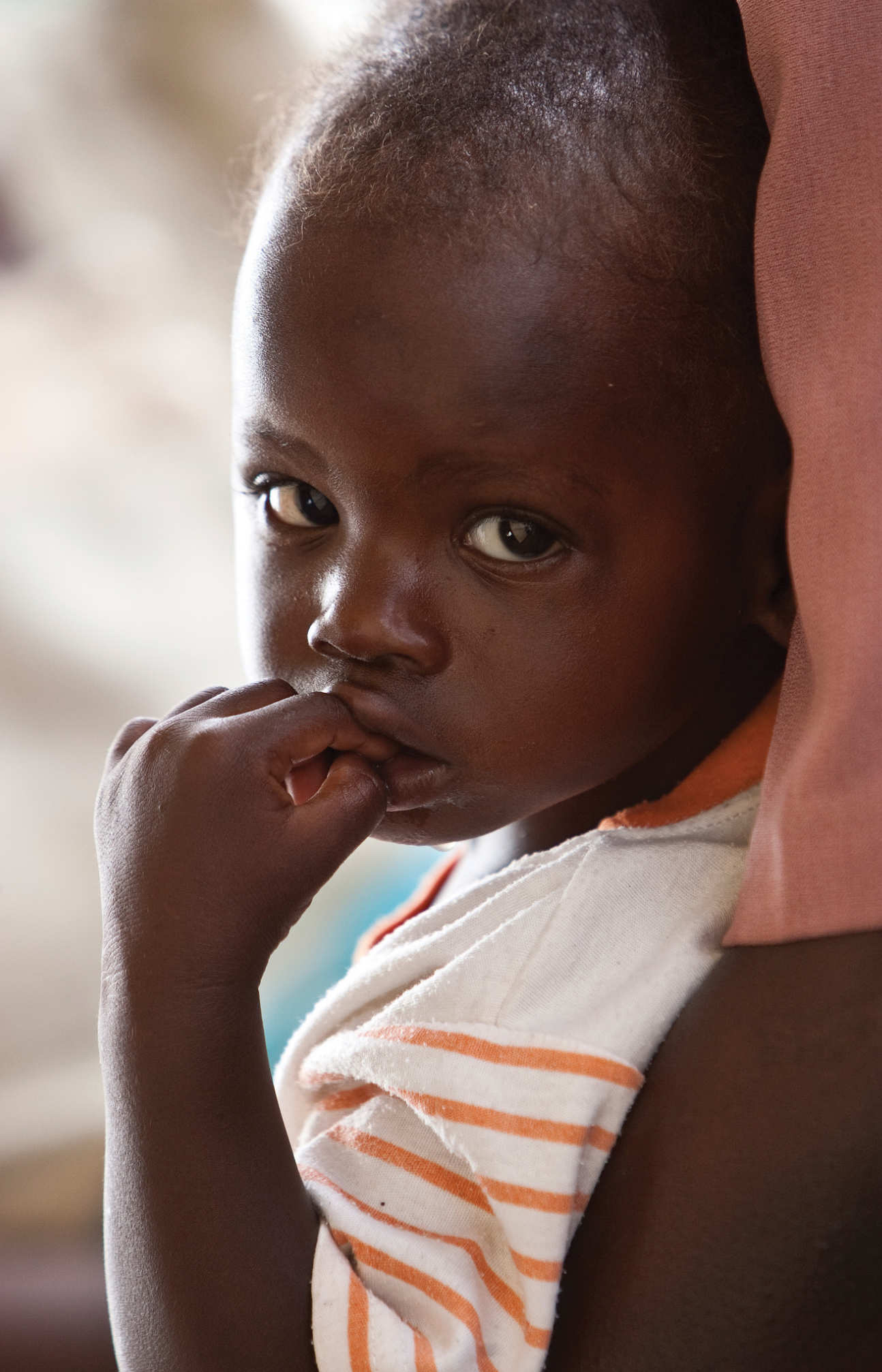
Severe pneumonia is the leading cause of illness and hospital admission in children in Africa. Outcomes are poor and include death and hospital readmission in the six months following hospital discharge. While oxygen, a potentially life-saving treatment, is advocated by the WHO, it is not a high enough priority for either country or global levels. Thus, there is a gap between demand for oxygen on paediatric wards and the supply available, with many children not receiving oxygen in resource-limited African hospitals. Furthermore, few children have access to specialist breathing support, such as mechanical ventilation or assisted respiratory support). We hypothesised that non-invasive respiratory support may improve outcomes by preventing respiratory failure.
COAST trial
The Children’s Oxygen Administration Strategies (COAST) trial in Kenya and Uganda looked at whether oxygen saves the lives of children with saturations 80-92 per centl. In a controlled trial, half the children received no oxygen (control) and the other half received oxygen or breathing support. The trial also tested whether respiratory support provided by AirVo2 device (Fisher and Paykel Healthcare), could avert death from respiratory exhaustion. AirVo2 was selected as the source of High Flow Nasal Therapy (HFNT) as it was originally developed for home use, thus is simple to teach and implement.
Although the trial was stopped after only 1,842/4,200 children had been enrolled, it is still the largest paediatric trial of oxygen therapy ever conducted and the only controlled trial in multiple places. The results showed that not giving oxygen immediately was not harmful. It didn’t increase the number of deaths within 28 days and didn’t affect brain development when compared to the usual methods of giving oxygen, such as low-flow oxygen (LFO) or high-flow nasal therapy (HFNT). In the control group, only 15 per cent of children needed oxygen when their oxygen levels dropped below 80 per cent. Overall, fewer children died than expected, based on ourcalculations and previous studies. In general, very little oxygen was needed, not only in the control group but also in the HFNT and LFO groups.
DOI 10.1007/s00134-021-06385-3
COAST NUTRITION
Severe pneumonia puts a high demand on the body for energy and nutrients and the body breaks down vital tissues, especially muscle, to get what it needs. We proposed that people were more likely to die after being hospitalised for pneumonia because severe infection and not enough food cause muscle loss, thereby slowing recovery.
Giving extra nutrition to patients with severe pneumonia is common practice worldwide, but there are no recommendations for nutritional support for African children with severe pneumonia. We conducted a clinical trial with 846 children hospitalised with severe pneumonia in Uganda and Kenya. We tested whether supplementing their usual diet with ready-to-use feed (RUTF, a nutrition-rich food used to treat malnutrition) for eight weeks would improve their recovery when compared to children who had their usual diet.
Adding RUTF to the diet of children aged six months to 12 years did not improve recovery or survival. There was no difference in muscle mass or deaths by 90 days, compared to children following their usual diet. There was a small in skin-fold thickness (a measure of muscle mass) after Day 28 in the children receiving RUTF but no other benefits in growth or body size. Children given RUTF were more likely to die or be readmitted to hospital within three months but the difference was not significantly greater than in the children following their regular diet.
DOI: 10.1016/j.eclinm.2024.102640
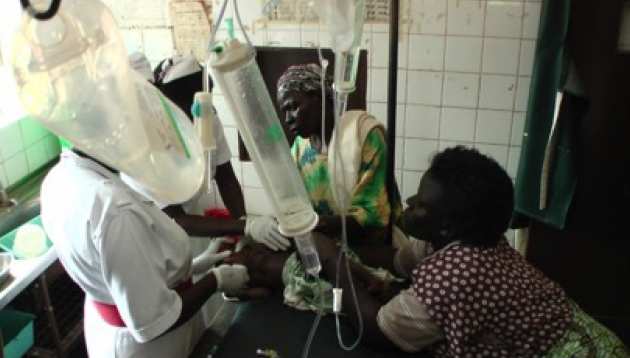
This landmark study examined how effective fluid boluses (large amounts of fluid given through a drip) were at treating 3,170 critically ill children admitted to hospital with shock. The trial took place in six hospitals in Uganda, Kenya and Tanzania. It evaluated the impact of saline or albumin boluses, given rapidly over the first hour of admission to hospital. The ill children were compared to children who did not receive boluses (control). This was the first time fluid boluses were tested for safety and efficacy, even though it has been standard practice for over 40 years in much of the world.
Known as the FEAST trial (Fluid Expansion As Supportive Therapy), the results were published in the New England Journal of Medicine in May 2011, (DOI 10.1056/NEJMoa1101549). They showed that the long-standing and key treatment used in wealthy countries to resuscitate critically ill children with shock, is harmful when given to African children with shock.
In those receiving boluses 89.4 per cent survived the first 48 hours in hospital. Children given fluids slowly (control group) did better – 92.7% survived. This was a statistically significant difference. This means that, compared to no boluses (control group), boluses cause more than three children in every 100 treated (3.3%) to die, with no benefit.
This led to international guideline changes including surviving sepsis guidelines in 2020
Videos about FEAST trial
- Short watch: The FEAST trial
https://www.youtube.com/watch?v=hK9VUkL-DqU

- Long watch: The Anatomy of a Clinical Trial
This is a 40-minute documentary called . It uses the FEAST trial to explain how a clinical trial works, and why we need to do randomised controlled trials.

ISARIC - International Severe Acute Respiratory and Emerging Infection Consortium - is a global initiative aiming to ensure that clinical researchers have the open access protocols and data-sharing processes needed to facilitate a rapid response to emerging diseases that may turn into epidemics or pandemics.
Gathering over 70 networks and individuals involved the consortium is trying to understand the causes of severe acute respiratory diseases, discover how illnesses develop and progress in patients, and identify the most efficient treatments and the best way to prevent further transmission and includes research related to the outbreaks of diseases such as bird flu (H5N1), swine flu (H1N1) and SARS.
The overreaching ambition is to change the way in which research is carried out during and between epidemics, ISARIC aims to address the social and ethical issues related to this paradigm change. Following its launch in December 2011, ISARIC has been established with an online presence as well as a physical presence in its Secretariat, based at the Centre of Tropical Medicine, Oxford as of mid-May 2012. In its first quarter, more than seventy networks and consortia of over 30 countries across six continents expressed an interest in the work of ISARIC.
ISARIC provides a collaborative platform through which global, patient‐oriented clinical studies can be developed, executed and shared. ISARIC activities promote the standardisation and harmonisation of definitions, endpoints and data collection methods so that international results can be combined and compared. Research protocols and data tools addressing the most important questions between and during epidemics and rapidly emerging public health threats have been designed to generate new knowledge, maximise the availability of clinical information, and thereby save lives.
From Imperial College London: Professor Peter Openshaw (Working Group 3; Genomics, Pathogenesis and Pharmacology) and Professor Kath Maitland (African Chair) are members of the ISARIC consortium.
Severe anaemia is common and life-threatening for children in sub-Saharan Africa Outcomes are poor with 9-10 per cent of children dying in hospital, a further 8 per cent dying later, and 17 per cent being readmitted within six months.
The TRACT trial was designed to answer three simple questions:
- Which children should receive a blood transfusion? Current WHO guidelines, designed to avoid the overuse of blood, recommend only transfusing children with a haemoglobin level (Hb) of less than 4g per decilitre of blood (<4gdl) or <6g/dl if there are complications. These recommendations have not been evaluated in clinical trials so practice varies across African countries. We don’t know if giving blood to all children hospitalised with severe anaemia (Hb <6g/dl) would help.
- How much blood should be given in a transfusion? On current recommendations, a quarter of children receiving transfusions remain severely anaemic, and up to a third get two or more blood transfusions during a single hospital admission. Would giving larger initial volumes of blood improve outcomes and reduce the need for extra transfusions?
- Would long-term support for children after hospital admission help? The main reasons children are ill for longer are multiple vitamin and mineral deficiencies, and blood infections caused by bacteria. We don’t know if giving vitamin or mineral supplements or antibiotics to prevent infections would improve outcomes.
Key findings
Question 1: Transfusion vs control transfusions for children with uncomplicated severe anaemia
- For children treated according to the WHO guideline (control no immediate transfusion), almost half (49 per cent) developed severe and complicated anaemia triggering the need for a transfusion. Clinical and haemoglobin monitoring is important to identify these children.
- When comparing children who had a transfusion immediately with those who needed one later, TRACT found no significant difference in the number of children who died after one month or six months, or who were later readmitted to hospital. . But the study cannot exclude the possibility of a small benefit.
- Haemoglobin levels recovered faster in children who had immediate transfusions. but by 180 days there was no difference in average haemoglobin levels between the two groups.
- Waiting until a child needed to be transfused, reduced the amount of blood used by about 60 per cent compared with giving blood immediately in cases of uncomplicated severe anaemia. On average, children in the latter group were given blood one day later. This saved blood supplies for emergencies.
Question 2: Higher volume (30mls/kg) vs standard volume (20mls/kg) in children with complicated severe anaemia
- Overall, there was no difference in the number of children who died between those given 30mls/kg and those given 20mls/kg.
- However, the results varied depending on whether the child had a. Those with a fever did better with 20mls/kg. Those without – some two thirds of children with severe anaemia– did better with 30mls/kg and reduced the risk of death by half.
- The two strategies used similar numbers of blood packs overall, as children receiving 20mls/kg were more likely to need subsequent transfusions.
- Giving children without fever halved the number of deaths compared to giving them 20mls/kg, at a cost of $20 per life-year gained.
- Giving 30mls/kg to children with severe anaemia (about 6-15 per cent of paediatric hospital admission) but without fever could save substantial numbers of lives in sub-Saharan Africa each year.
We also showed that it was better to give whole blood rather than packed cells, DOI 10.1016/S2214-109X(21)00565-9
These resulted in a new paediatric transfusion algorithm, DOI 10.1111/bjh.17429
Question 3: The long term supportive therapies
The trial showed that children with severe anaemia do not benefit from receiving either antibiotic prophylaxis or multi-vitamin or multi-mineral supplements for three months after they are discharged from hospital. DOI 10.1016/S2214-109X(19)30345-6
Watch this film about the trial results from Picturing Health: TRial Trial transfusion strategies