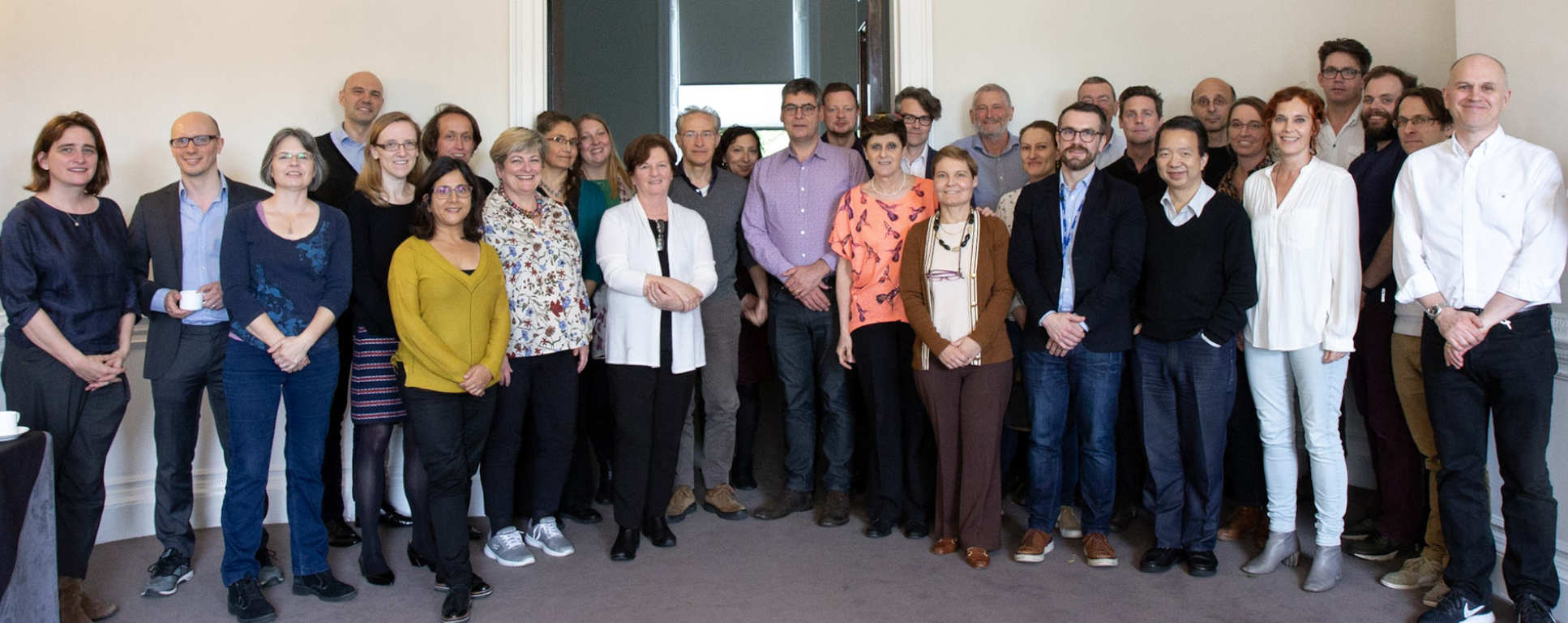
The Department of Immunology and Inflammation’s mission is to integrate discovery science with clinical medicine to prevent or treat inflammatory and haematological conditions.
We focus on discovering mechanisms linking the immune system to disease and translating these to advance medicine. The Department has a vibrant and dynamic multidisciplinary research environment where scientists from clinical and research backgrounds work together to develop new translational approaches. It hosts excellent experimental programmes as well as clinical research and applies multidisciplinary approaches.
We support a broad spectrum of research with emphasis on molecular mechanisms of inflammatory and haematological conditions, autoimmunity, tissue injury, tumour immunology, cellular therapy, haemostasis and thrombosis. We are closely linked to the clinical research supported by the NIHR Imperial Biomedical Research Centre.
The Department aims to nurture the next generation of scientists by training undergraduates and postgraduates and by creating a collaborative environment that supports the career development of young scientists. The Department offers a broad portfolio of study options, including the MSc Immunology, the MRes Experimental Biomolecular Sciences, an intercalated BSc Multi-system Disorders and Therapies programme. It also co-delivers a range of short courses and welcomes applications from talented PhD candidates from around the world.
Instrumental to the success of our mission is the Department’s focus on culture, equality, diversity and inclusion which fosters collaboration, innovation, and excellence. Working together as scientists, clinicians, technicians, operational and professional staff in a fair and transparent manner creates an environment that nurtures new scientific ideas, with the common goal to close knowledge gaps, and enhance the lives of patients with inflammatory and haematological conditions. By creating a Department where everyone feels welcome, we encourage constructive dialogue, facilitating the translation of laboratory findings into clinical benefits. Good culture and EDI are thus at the core of our vision enabling an environment where people can fully develop their potential and new research ideas can flourish.