Scientists call for action and implementation ahead of COP30

The Countdown to COP30 event began with a clear message: science must be placed “at the heart of everything we do”.
The European Union Ambassador to the United Kingdom, HE Pedro Serrano, urged the audience of Countdown to COP to also “have the courage to listen and act”, in an age of “increasingly visible consequences of climate change”.
The event, jointly hosted by the Grantham Institute and the Delegation of the EU to the UK at Sinfonia Smith Square on 25 June, marked not only a decade since the Paris Agreement but also a critical midpoint between COP29 and COP30.
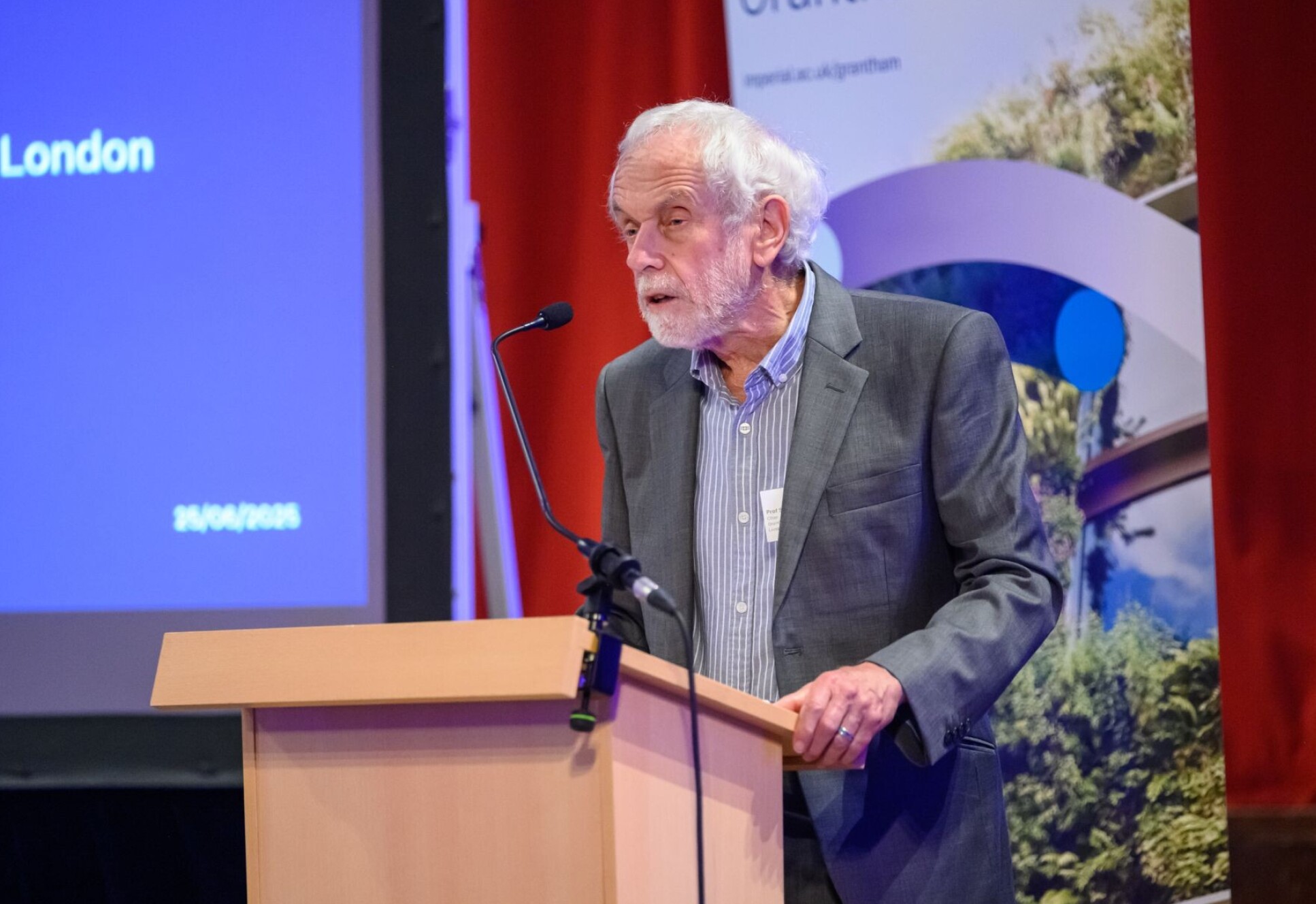
According to Professor Sir Brian Hoskins, this was a pivotal moment to bring together diplomats, corporates, policy experts and scientists to take stock of where we are, and to see what steps are needed to deliver on climate action.
The audience then heard from Benoit Faraco, Climate Ambassador for the French Government, who emphasised the need for using science as a “compass” on the road to Belém. Although the transition will be difficult, Benoit said long-term progress since the Paris Agreement and the recent Conference on the Ocean both demonstrate “a very strong signal that multilateralism still matters”, despite the challenging geopolitical context, which is “a message of hope for the COP in Belém”.
1.5°C still matters
A key outcome of the 2015 Paris Agreement was the establishment of a target to limit global temperature rise to 1.5°C. This was based on an assessment of risks society would be exposed to if average temperatures exceeded that threshold. But how relevant is that target today?
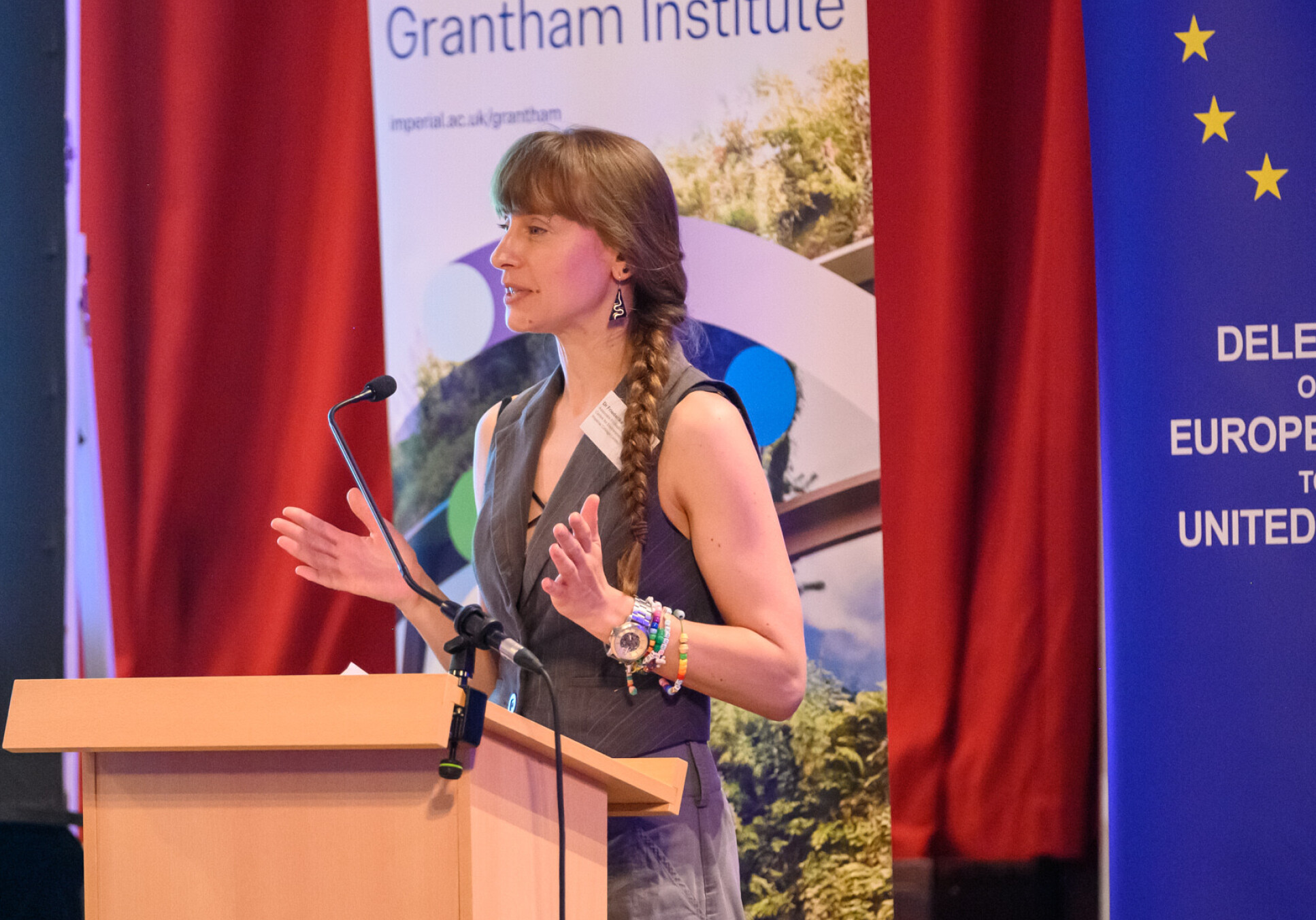
The need for action at COP30 was affirmed by Dr Friederike Otto, Associate Professor in Climate Science at Imperial College London. As a founder of World Weather Attribution, which quantifies how climate change influences the intensity and likelihood of extreme weather events, Dr Otto told the audience that “no part of the world is safe” and that the Paris Agreement’s ambitions remain central ten years on. Recognising the co-benefits of climate action, such as improving health and equality, will be vital for encouraging action, she emphasised.
Professor Joeri Rogelj, Director of Research for the Grantham Institute, reiterated this position, stating that “the case for 1.5°C is stronger than ever”. Professor Rogelj argued that 1.5°C is a “scientifically informed limit” aimed at reducing harm and even if this limit is passed, the objective to ‘overshoot’ (temporarily exceed and then reverse warming) is the next most viable option. Given that every fraction of a degree of warming brings greater risks and climate impacts, it remains a “legal and ethical imperative” to act, he argued.
Boosting implementation
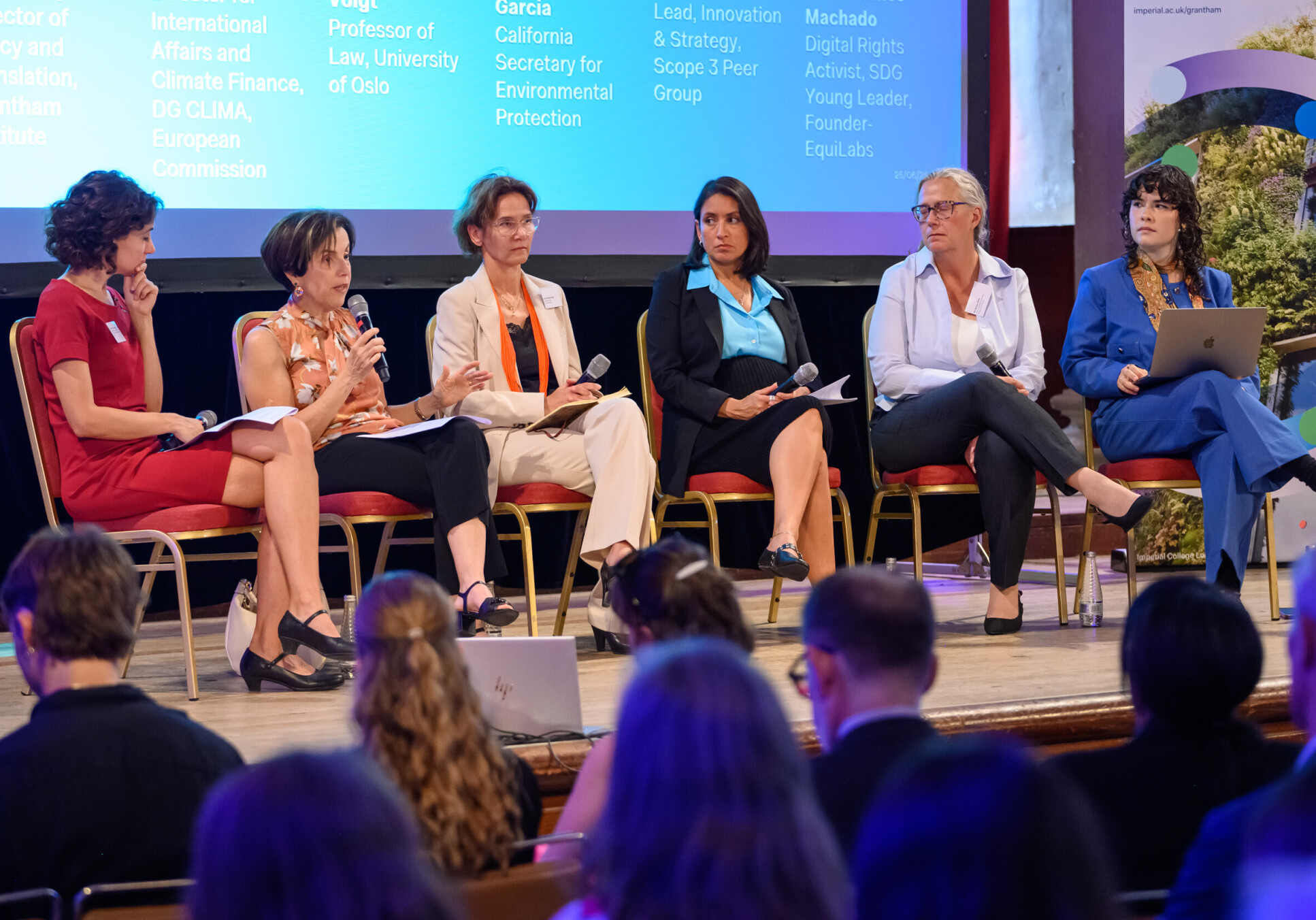
The panel discussion focused on how COP30 will be the COP of implementation. To do so will require co-ordinated action from businesses, subnational actors, international courts and the public.
Nancy Gillis, Lead of Innovation & Strategy for Scope 3 Peer Group, emphasised that despite recent developments that may suggest a rollback of business climate ambition, businesses will have to reckon with the climate challenge and act. But “clear signals” from regulatory and private actors will be important to accelerate action.
This communication between public and private actors goes two ways, and Diana Acconcia appealed to climate-ambitious businesses to also raise their voices.
Even when global multilateralism is proving challenging, there is still plenty of action being driven at the local level. The Under 2 coalition is a prime example of the power of co-ordinated regional climate action, representing over 200 states, regions, provinces and subnational governments all committed to net zero by 2050. Secretary Yana Garcia, California Secretary for Environmental Protection, reflected on California’s continued climate efforts and told the audience we can expect a regional approach to be a major focus of COP30 in Belém.
Partnerships and communication are also crucial for climate action, which “needs all hands on board", Professor Christina Voigt explained. This also includes national and international courts, which are increasingly using the 1.5°C target to strengthen already-existing domestic legal obligations and push forward climate litigation.
Sustaining public support for climate
Beyond top-down implementation, climate action and decision-making are also increasingly emerging from grassroots collective action. However, while there is still strong public support for climate action, “infrastructures of delay” are hindering progress, according to Louisa Franco Machado, Founder of EquiLabs.
Digital policy is rarely included in climate discussions, yet the “truth is becoming harder to find, and even harder to trust”. Ten websites, mainly funded by fossil fuel interests, currently generate 70% of climate disinformation circulating on social media today. Misinformation will therefore be a key theme addressed at COP30 to unlock action for climate mitigation and adaptation and reinforce trust in science.
A call to action in Belem
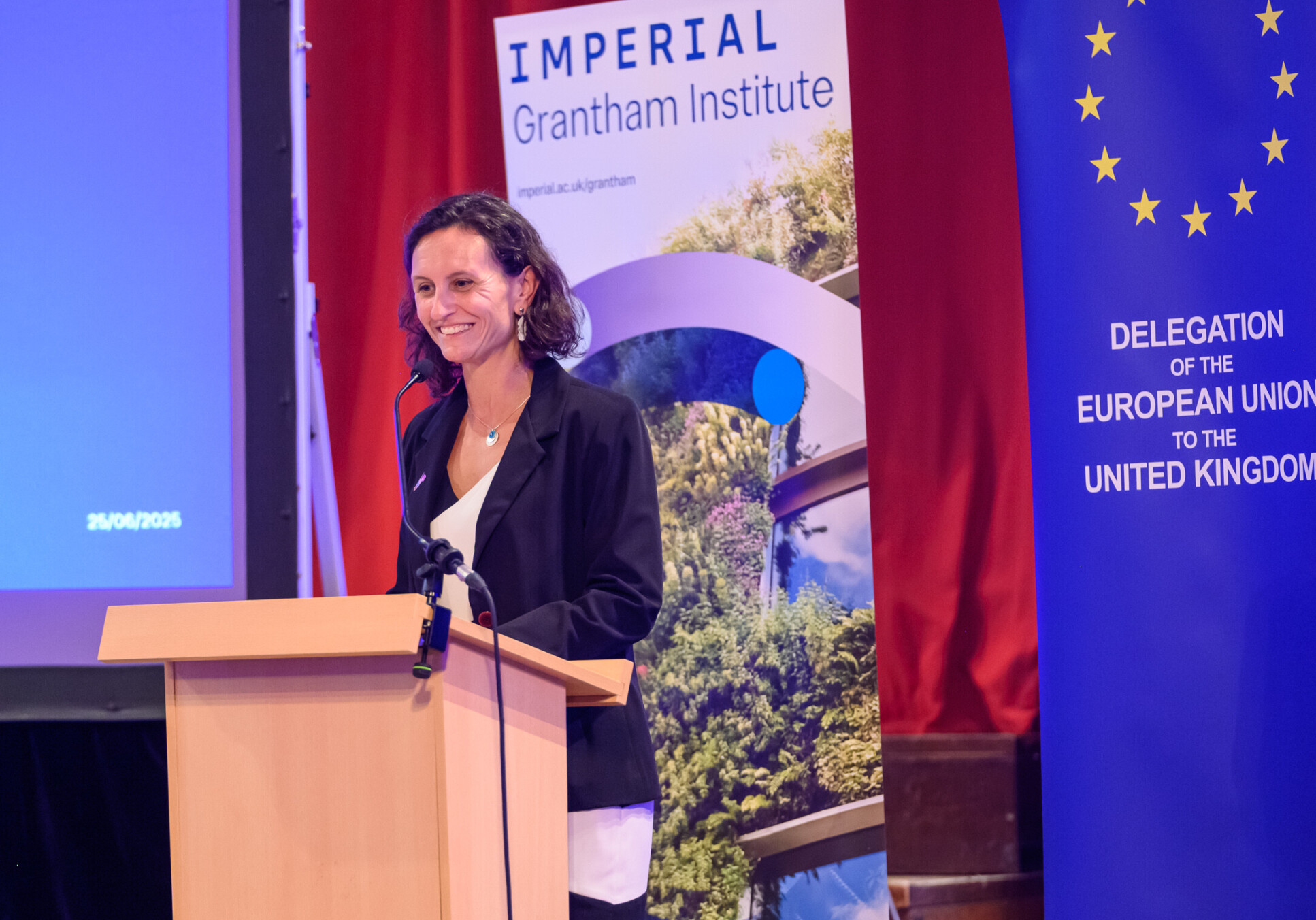
With climate impacts already devastating communities across the world, Alice de Moraes Amorim Vogas, Programme Director for the Executive Directorate of the COP30 Presidency, closed Countdown to COP30 by telling the audience that this year will entail rethinking what a COP really is.
Similar to the panel discussion, she emphasised the need to shift to implementation by engaging stakeholders, going beyond just the negotiations, and employing new tools in climate and science communications.
Alongside key issues for the negotiations, such as the Global Goal on Adaptation, the Just Transition Work Programme and the Baku to Belém Roadmap on climate finance, she emphasised that this COP must mobilise ordinary people and create “bottom up” climate action.
She explained that one way this will be achieved is through the Global Ethical Stocktake, which describes itself as an ethical and planetary dialogue that brings together social, cultural, spiritual, business, scientific, and political leaders and will produce a report to be delivered for COP30.
Watch the full event: Countdown to COP30: Strengthening Climate Action in an Era of Global Instability
Article text (excluding photos or graphics) © Imperial College London.
Photos and graphics subject to third party copyright used with permission or © Imperial College London.
Reporter
Mia Josefin Hard Af Segerstad-Smith
The Grantham Institute for Climate Change
