Imperial celebrates 180 academic and teaching promotions

Staff across Imperial are celebrating over 180 promotions in academic and teaching roles.
This annual promotion round recognises 147 academics from the Business School and the Faculties of Engineering, Medicine and Natural Sciences being promoted into roles as Associate Professors, Readers and Professors. In addition, 39 colleagues are also celebrating progressing into Professor of Teaching, Principal Lecturer, and Senior and Principal Teaching Fellow roles.
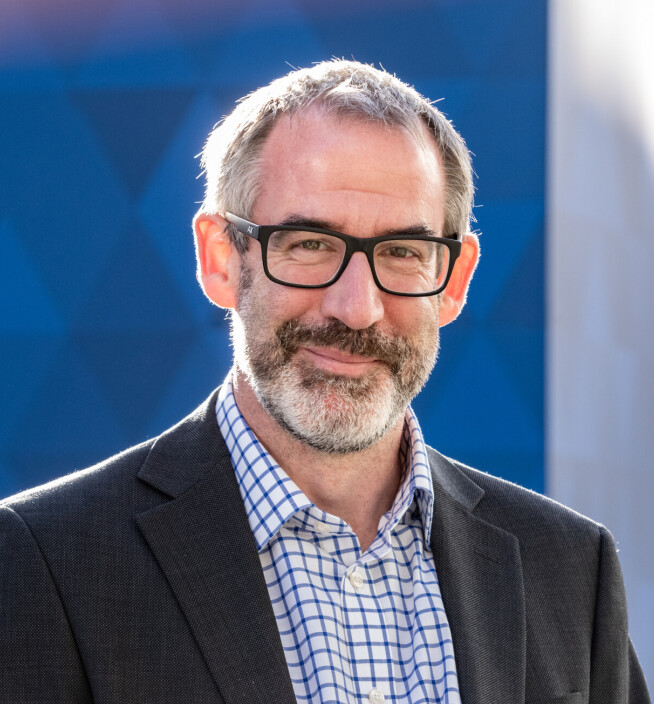
Professor Peter Haynes, Vice-Provost (Education and Student Experience) and incoming Provost and Deputy President, said: “My warm congratulations to everyone who received promotions this year. We are proud to recognise your inspirational work, your impressive achievements and your valuable contributions to Imperial's mission. This year has also seen the first promotions to the recently-introduced grade of Professor of Teaching: particular congratulations to Cloda Jenkins, Martin Lupton, Arti Maini and Sophie Rutschmann.”
You can read the full list of promotions on the Senior Appointments blog. Below we speak to some of the newly promoted staff.
Shivani Misra, Department of Metabolism, Digestion and Reproduction – promoted to Clinical Associate Professor in Diabetes
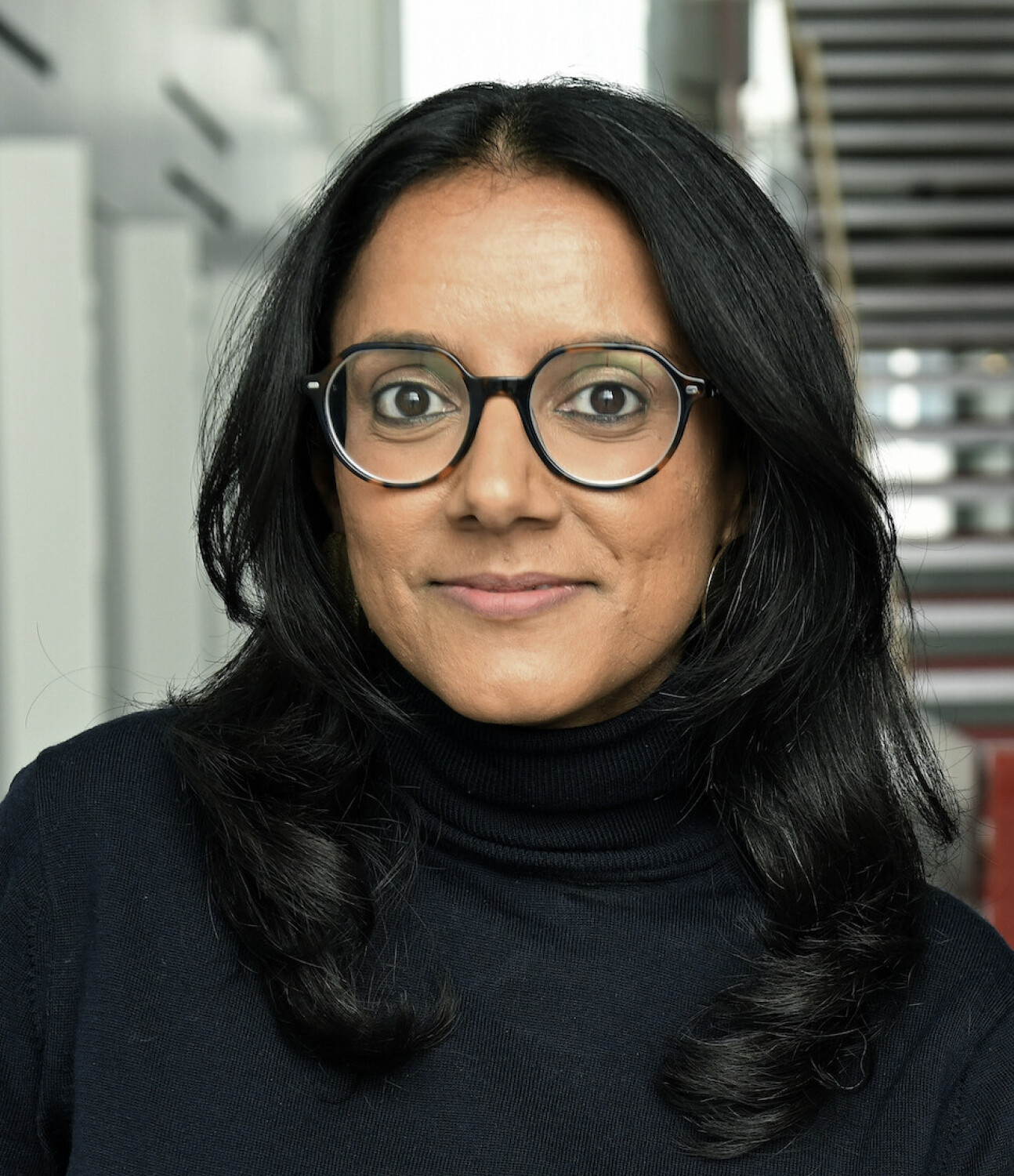 The core focus of my work is on early-onset type 2 diabetes (a diagnosis in youth and adults <40 years), which is characterised by 10-20 years of reduced life expectancy.
I first joined Imperial as an Academic Clinical Fellow, stayed to complete a PhD, and later secured a Wellcome Trust Intermediate Fellowship. I have remained because the place combines a lively, collaborative research culture with access to a uniquely diverse patient population and world-class science.
This promotion means a great deal to me. It recognises the work my team and I have put into precision diabetes care and gives us more room to make a difference. I want our research to reflect the people we serve and to turn good science into earlier diagnosis and better treatments.
Looking to the future, I want to spend my time equally on people and science. On the people side, that means structured mentoring, practical training, and active sponsorship so early-career clinicians have the skills and visibility to lead. On the science side, it means advancing precision medicine by combining rich phenotypes with diverse data to match prevention and treatment to the individual, and testing these approaches in routine care.
Shelly Conroy, Department of Materials – promoted to Associate Professor
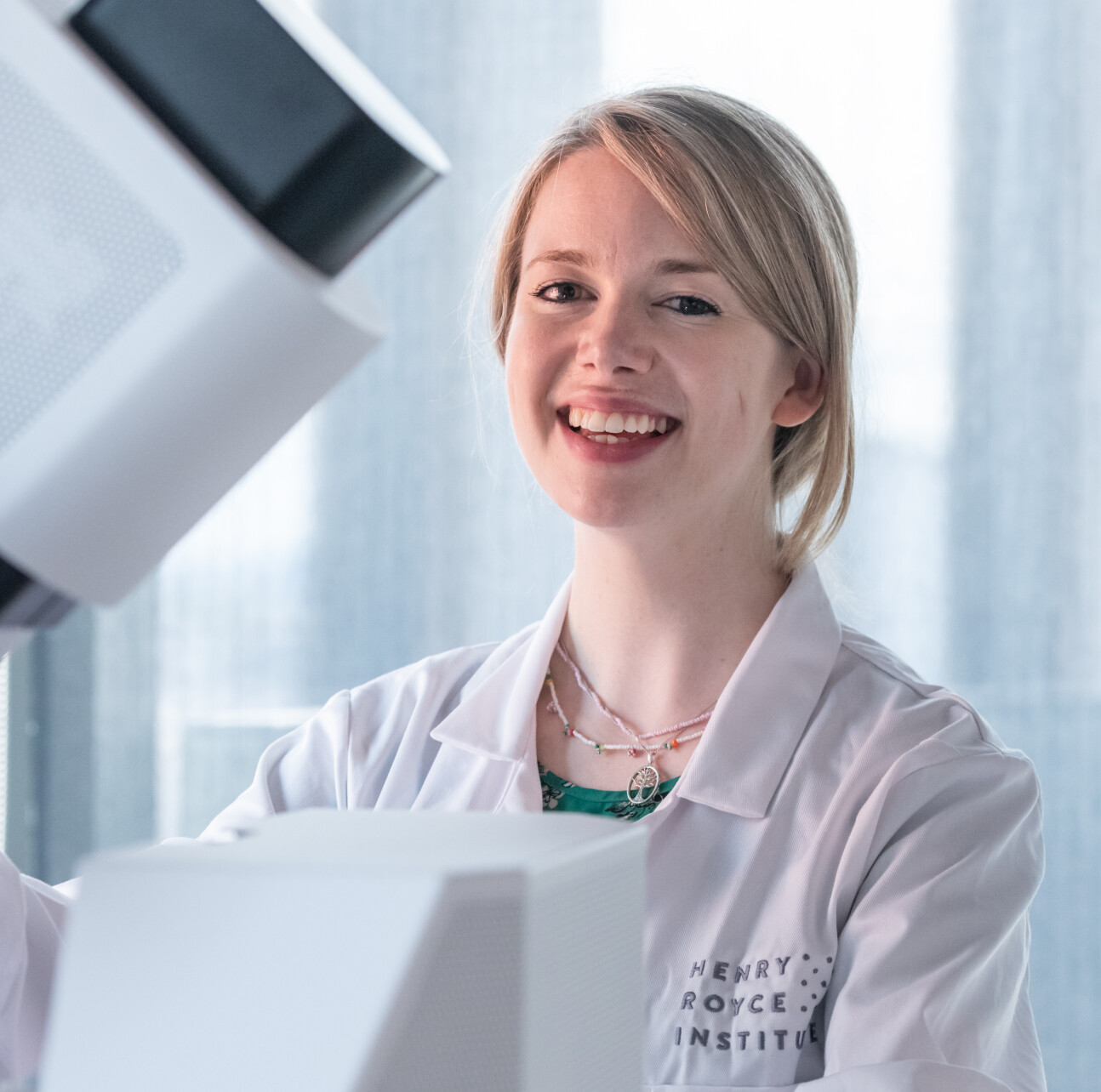 My group develops advanced cryogenic and in-situ electron microscopy techniques to study the complex interfaces in dynamic devices — from batteries to ferroelectric electronics — under real operating conditions. We then use these insights to design and grow the functional thin films needed to enable the next generation of energy and quantum technologies.
I was drawn to Imperial for its world-class facilities and collaborative environment, which allowed me to relocate my Royal Society University Research Fellowship from Ireland and expand my group’s work on advanced microscopy and thin film growth.
This promotion feels like a recognition of the journey my group and I have taken over the past five years to help establish the new Centre for Cryo-Microscopy of Materials at Imperial. It celebrates our world-first achievements, such as combining in-situ liquid cell electrochemistry transmission electron microscopy (TEM) with cryogenic atomic-scale microscopy, and reflects the dedication of my students, collaborators, colleagues and mentors who have made these breakthroughs possible.
Looking forward, I hope to use our newly developed liquid helium TEM holder funded by the European Research Council (ERC) to uncover ultra-low-temperature states of matter at atomic resolution, opening up new frontiers for quantum technologies. My ambition is to combine these insights with our work on growing free-standing oxide thin films to design materials with entirely new functionalities, while training the next generation of researchers to push electron microscopy and thin-film science into unexplored territory.
Ryan Thwaites, National Heart and Lung Institute – promoted to Associate Professor in Respiratory Immunology
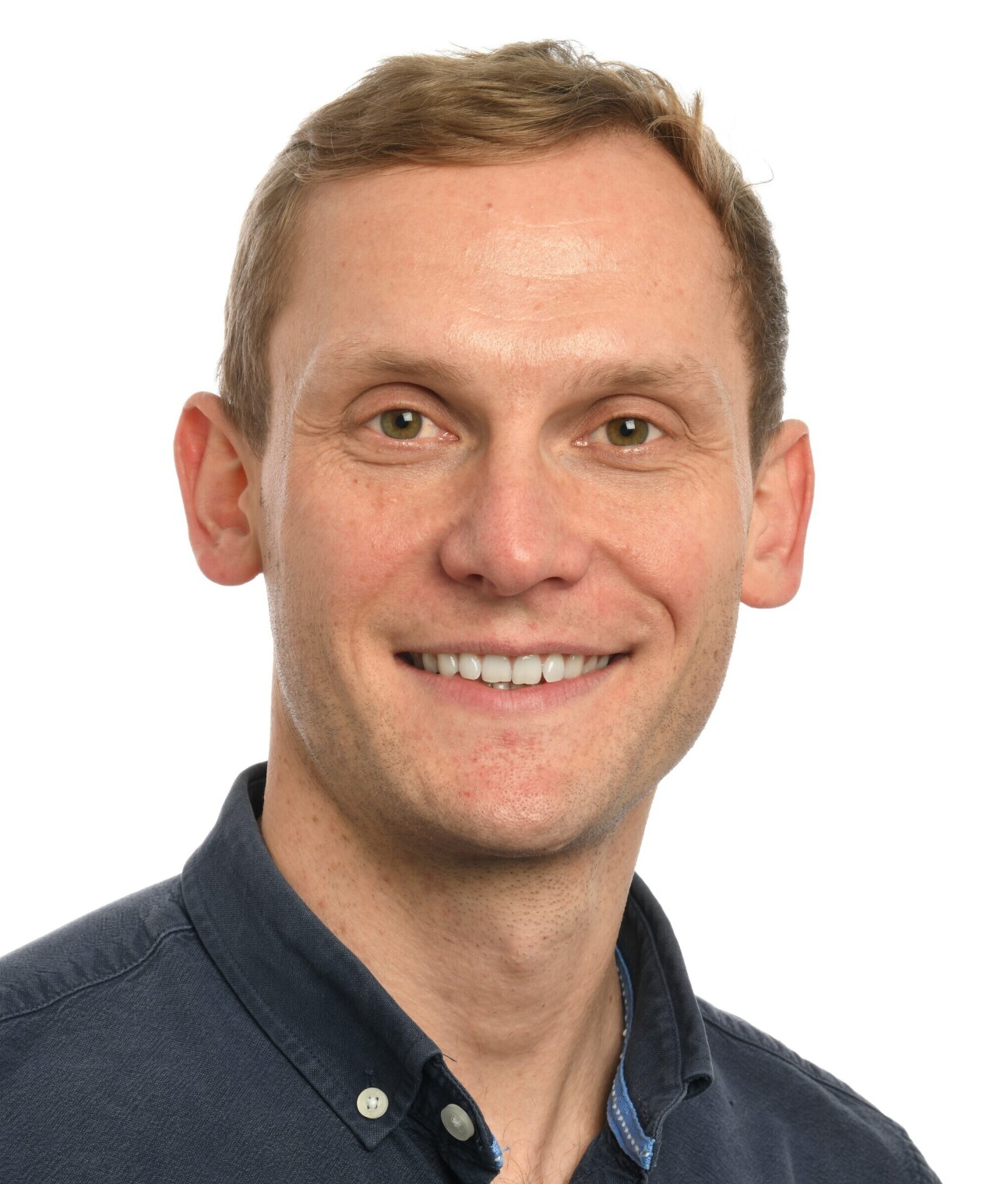 My current work focuses on the mucosal immune system in the upper airway. This includes understanding how we resist infection by respiratory viruses and how novel vaccines might induce these desirable features of immunity. Additionally, we study the mechanisms of severe disease in the airway mucosa, how these differ from the blood, and how this might inform novel therapeutics for respiratory infections.
I completed my BSc in Biochemistry at the University of Sheffield in 2010. After a two-year stint in industry I moved to the Brighton and Sussex Medical School for my PhD, studying innate immunity in the setting of established autoimmune disease in humans.
My road to Imperial followed a stint in industry and a PHD in Brighton and Sussex Medical School where I studied innate immunity in the setting of established autoimmune disease in humans. Towards the end of my PhD I aimed to switch topics to work on infectious disease. At that time, I was reading about human experimental medicine studies, including the controlled human infection model studies going on at Imperial. In a piece for fortuitous timing, a postdoctoral role came up at Imperial to work on these experimental medicine studies, with Peter Openshaw and Trevor Hansel. I was delighted to join this team in 2015 and contribute to these cutting-edge studies.
Regarding my promotion, I’m so excited to take this next major step in my career. It feels like a big vote of confidence from my peers and a validation that my work is going in the right direction. Imperial has been so supportive of my career at multiple key stages and this promotion shows how that support is continuing.
Looking to the future, the ultimate aim of my work is to make real world impact, by creating better vaccines to prevent respiratory infections, and better therapies to limit severity when infections do happen. These are big aims and achieving them requires collaboration with academics across the globe, with industry and manufacturers, and with funders and philanthropists. I believe that this consortium model gives us the best chance of achieving a future where the burden of respiratory infections is greatly reduced.
Gbemi Oluleye, Centre for Environmental Policy – promoted to Associate Professor in Sustainable Market Mechanisms
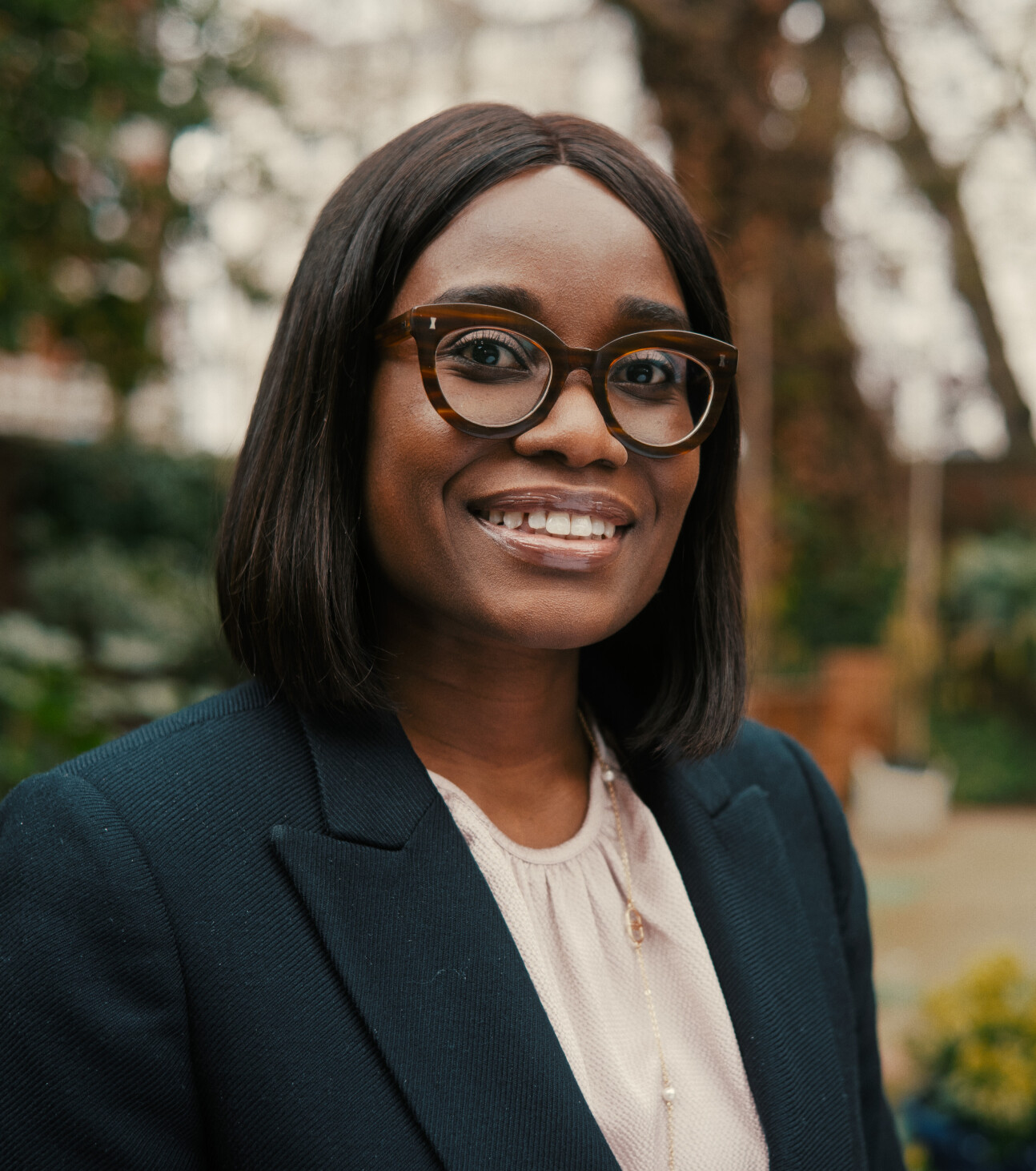 My research develops spatio-temporal mathematical models to understand how market mechanisms finance the diffusion of sustainable solutions for decarbonising heavy sectors. I am curious to unpack whether existing market mechanisms globally are sufficient to create the demand-pull required to scale these solutions.
During my MSc and PhD at the University of Manchester, I noticed something distinctive whenever I attended a seminar given by an Imperial academic: they not only had deep expertise and passion, but also an ability to situate their work within a wider context and to understand that context holistically. I found that combination of intellectual reach and real-world relevance inspiring, and I wanted to learn from it and be part of it. So, when the opportunity came, I applied.
Now that I am at Imperial, what keeps me here is the unique balance of ambition and excellence with kindness that I see in the people around me. That balance, coupled with a genuine drive to create an inclusive workplace, has convinced me that this is the right place to build my career.
This promotion is recognition of the work I have done so far, but it also brings responsibility to continue my commitment to higher education in research, teaching, and impact. It reaffirms my dedication to ensuring that my research contributes to meaningful and sustainable societal change, nurturing students’ growth, and creating opportunities for them to succeed.
On a personal level, it gives visibility to my work and signals that my “village” – colleagues, collaborators, and students who have supported me – is thriving. It is both a milestone and a motivation for onward development.
My ambition is to use my models to design new market mechanisms that can shape markets for sustainable solutions by triggering economic tipping points. Beyond research, I aim to strengthen collaboration across disciplines, so that Imperial remains a global leader in shaping markets and policies for sustainability. Just as importantly, I see teaching and mentoring as central to my role inspiring the next generation of researchers and business leaders, equipping them with the tools and confidence to accelerate change.
Cloda Jenkins, Department of Economics and Public Policy, Imperial Business School – promoted to Professor of Teaching
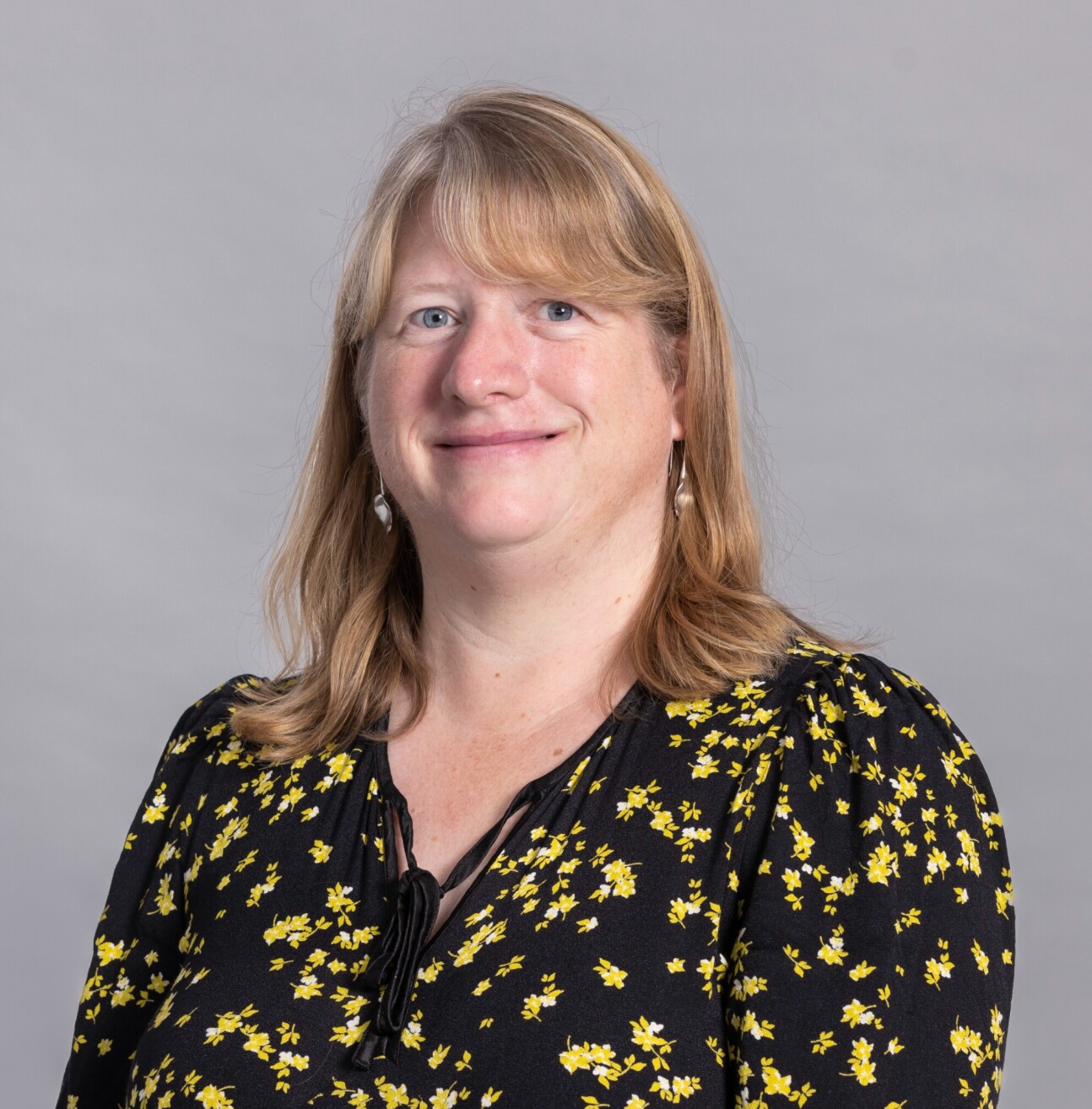 My work centres on designing teaching, assessment, and curriculum in ways that equip students for the rapidly evolving world they live in. I’m especially interested in how we can develop flexible educational practices and processes that allow us to adapt to shocks without losing sight of the pedagogical principles that underpin effective learning.
I joined Imperial in January 2022, drawn by the opportunities in the Business School to embed skill development and policy relevance into the curriculum. The opportunity to help shape our first undergraduate degree in Economics, Finance and Data Science was especially exciting, as well as the encouragement to bring my experience in economic consultancy and government into both my teaching and leadership.
When I made a career shift into higher education in 2012 to become a teaching-focused economist, I hadn’t realised how unclear and winding that career pathway could be. This promotion is not only a recognition of that journey – especially my work as co-founder of the Centre for Teaching and Learning Economics (CTaLE) – but also a signal to others that teaching-focused academic careers are both meaningful and impactful.
After last year's stretch on promotion and Principal Fellowship of The Higher Education Academy (PFHEA) paperwork, I'm looking forward to having more time to collaborate with colleagues across Imperial and economist co-authors on the challenges and opportunities of delivering impactful education in a turbulent world. I’m also keen to continue my research into the role and value of teaching-focused economists, and to support others navigating this career path.
Article text (excluding photos or graphics) © Imperial College London.
Photos and graphics subject to third party copyright used with permission or © Imperial College London.
Reporter
Andrew Youngson
Communications Division
