Mine waste shows promise as battery material
by Gege Li

Waste mine tailings could be used to produce more sustainable lithium-ion batteries, find researchers at Imperial College London.
The team, led by the Department of Earth Science and Engineering (ESE) and the Dyson School of Design Engineering, showed that untreated mine tailings – the fine waste material left over from mineral processing that has accumulated in the billions of tonnes – can be successfully repurposed for lithium-ion batteries.
What’s more, these mine tailings, particularly those containing the mineral pyrite (commonly known as ‘fool’s gold’), are suitable for use with little to no processing – a major improvement on current battery production that could make future practices better for the planet.
The use of mine waste as active electrode materials brings an important sustainability component to the production of batteries that are key to renewable energy storage. Dr Pablo Brito Parada Associate Professor, Department of Earth Science and Engineering
“Right now, the raw materials used in lithium-ion batteries need to be mined and refined,” said lead author Dr Pablo Brito Parada, Associate Professor in Sustainable Minerals Processing in ESE. “The use of mine waste as active electrode materials brings an important sustainability component to the production of batteries that are key to renewable energy storage.
“Through this innovative use of mine tailings as battery materials, we’re also directly addressing a critical challenge in the green energy transition: the security of our battery material supply chains.”
The need for sustainable batteries
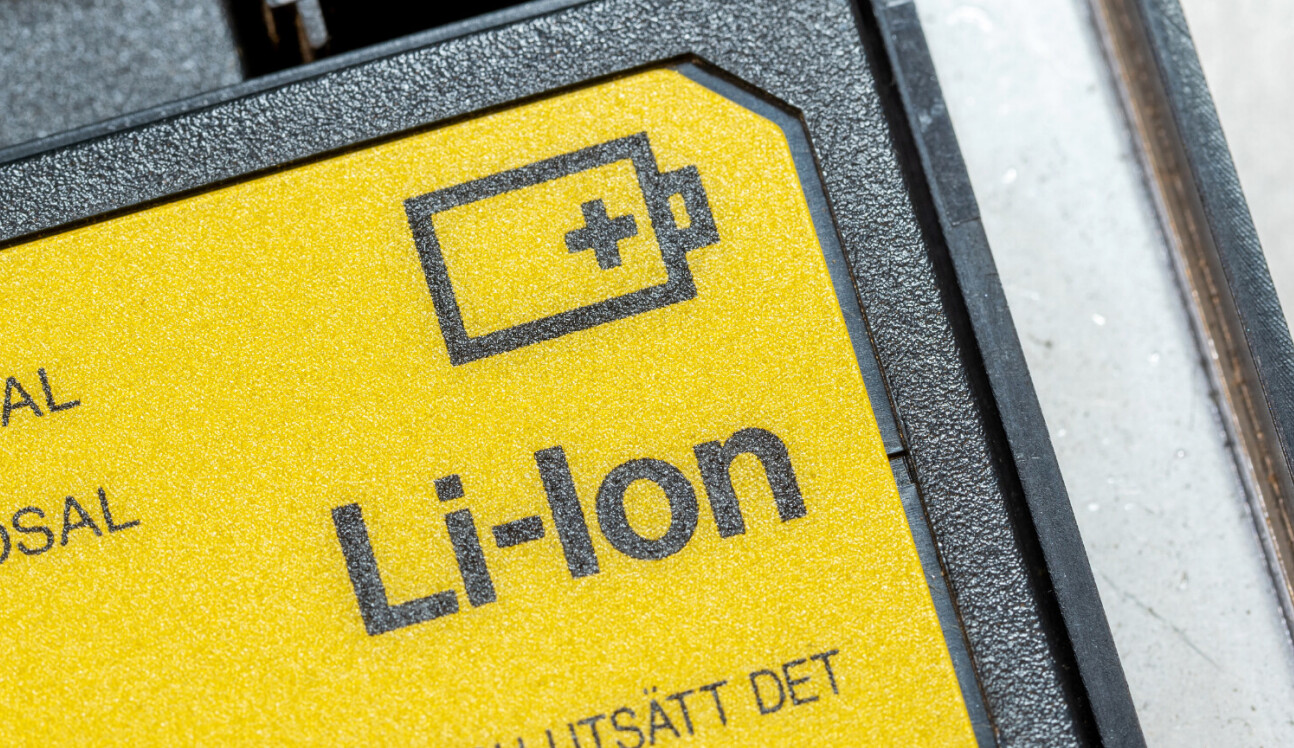 As the cornerstone of modern portable electronics, lithium-ion batteries power everything from smartphones to electric vehicles through electrochemical reactions that shuttle lithium ions between a positive cathode and a negative anode.
Producing them is a complex process that begins with the extensive mining and refining of critical materials like lithium, cobalt and nickel for the cathode, and graphite for the anode – the current top choice thanks to its high conductivity and performance. These are then processed, assembled and packaged into battery packs, all of which requires significant energy, water and chemicals.
While these enhancements maximise the performance of the batteries, allowing them to store a lot of energy over many rechargeable cycles – which keeps them in high demand – such modifications become less than ideal when looking at it from an environmental lens.
For example, such extensive processing also brings about high environmental costs due to manufacturing, supply chain insecurities, and lasting challenges with recycling and long-term degradation.
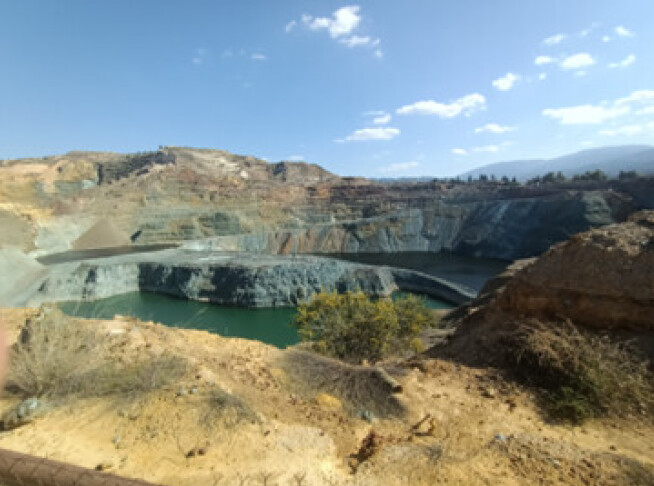
Meanwhile, the lucrative global industry of metal mining itself has resulted in more than 280 billion tonnes of waste from mine tailings alone, bundled away in storage facilities around the world. The key concern is that these tailings – which can contain toxic substances like arsenic and heavy metals – will leach unchecked into the surroundings and pose significant ecological and human health risks.
Since the amount of tailings is considerably higher than that which could theoretically be used for batteries, however, “the big win from our work is security of supply”, said Dr Brito Parada. “By presenting new materials for making batteries and, even better, from otherwise unsustainable sources, we have the potential to improve the green credentials of the supply chain, especially for large-scale energy storage where a lot of material is needed.”
Two tailings
To investigate whether mine tailings could be a viable anode material for lithium-ion batteries, the study, published in Cell Reports Sustainability, looked at two types of tailings with contrasting compositions: HP (High Pyrite) tailing, consisting of 81% pyrite and sourced from the Iberian Pyrite Belt, and LP (Low Pyrite) tailing, a silicate-heavy type consisting of 16% pyrite and sourced from a US metal mine.
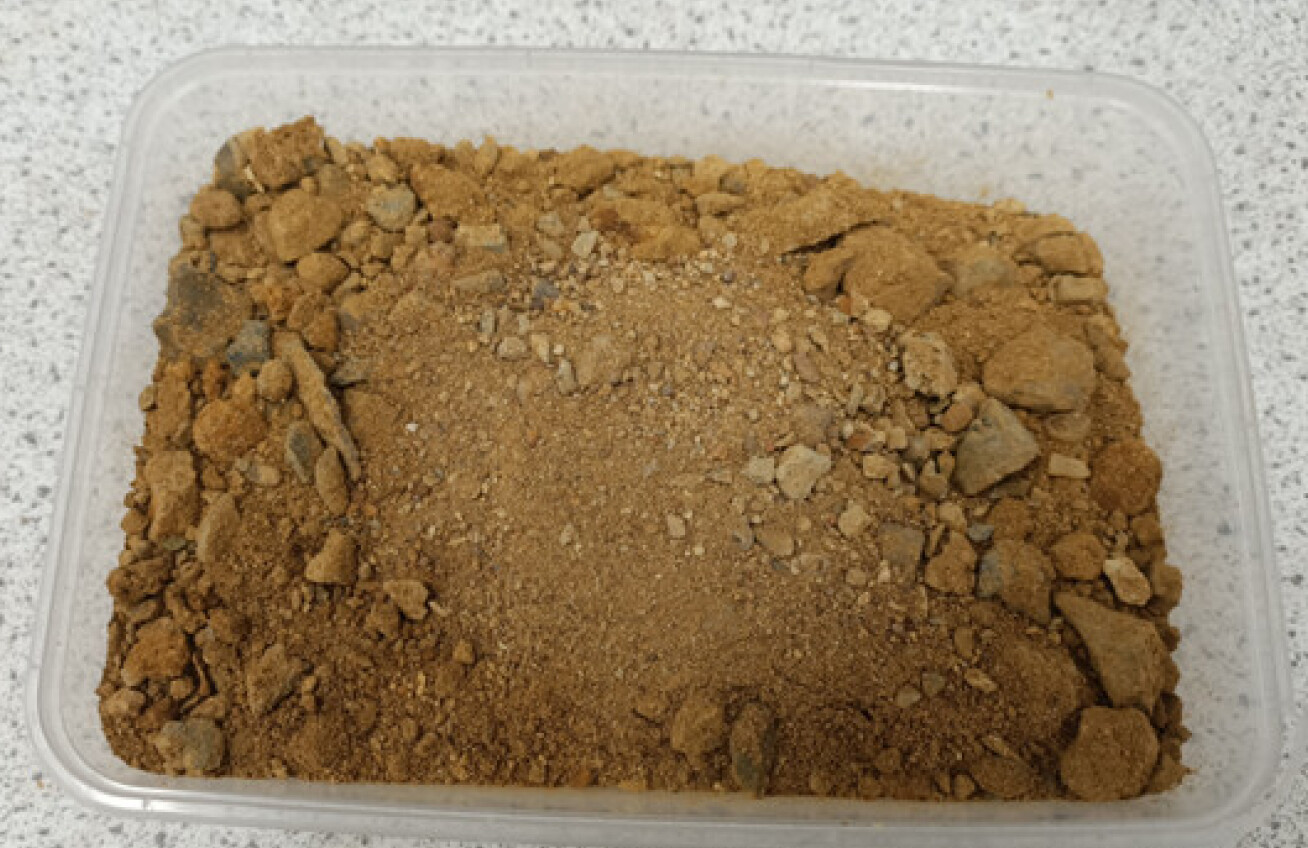
In early tests, the team showed that the HP tailing could hold a lot of energy, but its performance dropped quickly over time, due to the swelling and subsequent cracking of the pyrite particles during charging.
However, the LP tailing presented a very different story. Since it only contained minimal amounts of pyrite, this version was more steady and reliable, unable to hold as much energy right away, but faring better over many charging cycles by keeping its shape for longer.
When the team built these materials into more practical batteries that are used commercially, they saw that the ‘higher-power’ pyrite battery performed better and could in fact store about as much energy as some other non-lithium batteries. The ‘steady’ silicate-based version stored less energy but was nonetheless still a clear indicator that this approach worked.
Interestingly, even in the silicate sample, the slow decline in performance was caused by the small amount of pyrite breaking down, proving that this fool’s gold is incredibly durable and highlighting it as a possible contender over graphite in certain situations.
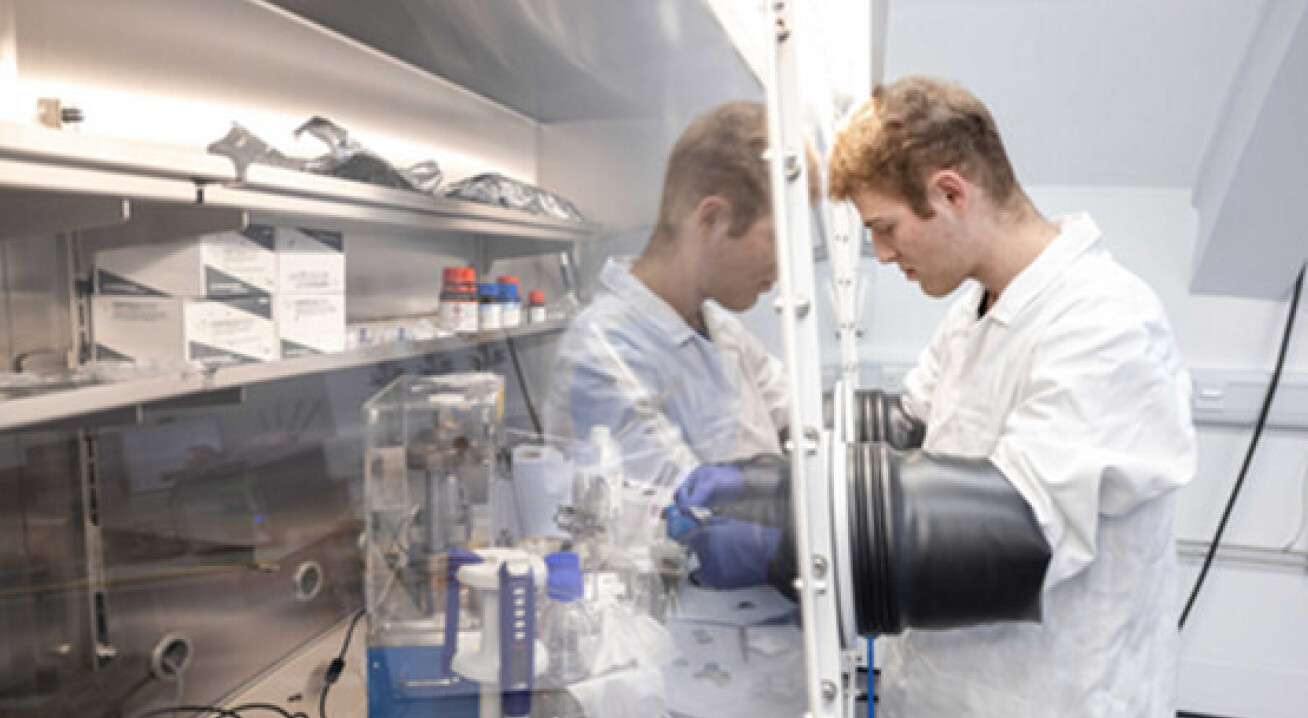
First author John Morley, who carried out this work as part of his PhD at ESE, said: “While pyrite has been used in lithium-ion batteries before, it’s typically purified and processed extensively in energy-intensive furnaces.
“Our direct-use method sidesteps that heavy processing. We showed that the raw mine tailings don’t require any enhancements – or else can merely be washed with water – to give a decent-performing battery.”
Size trade-off
Since the current performance of these mine waste batteries is about a half to two-thirds that of traditional graphite anodes, they aren’t suitable for consumer electronics where there is a critical trade-off between battery size and battery life. But it does make them ideal for applications where size is less of a concern – for storing energy from solar farms or wind turbines, for example, or for use in low-drain devices like TV remotes and wristwatches.
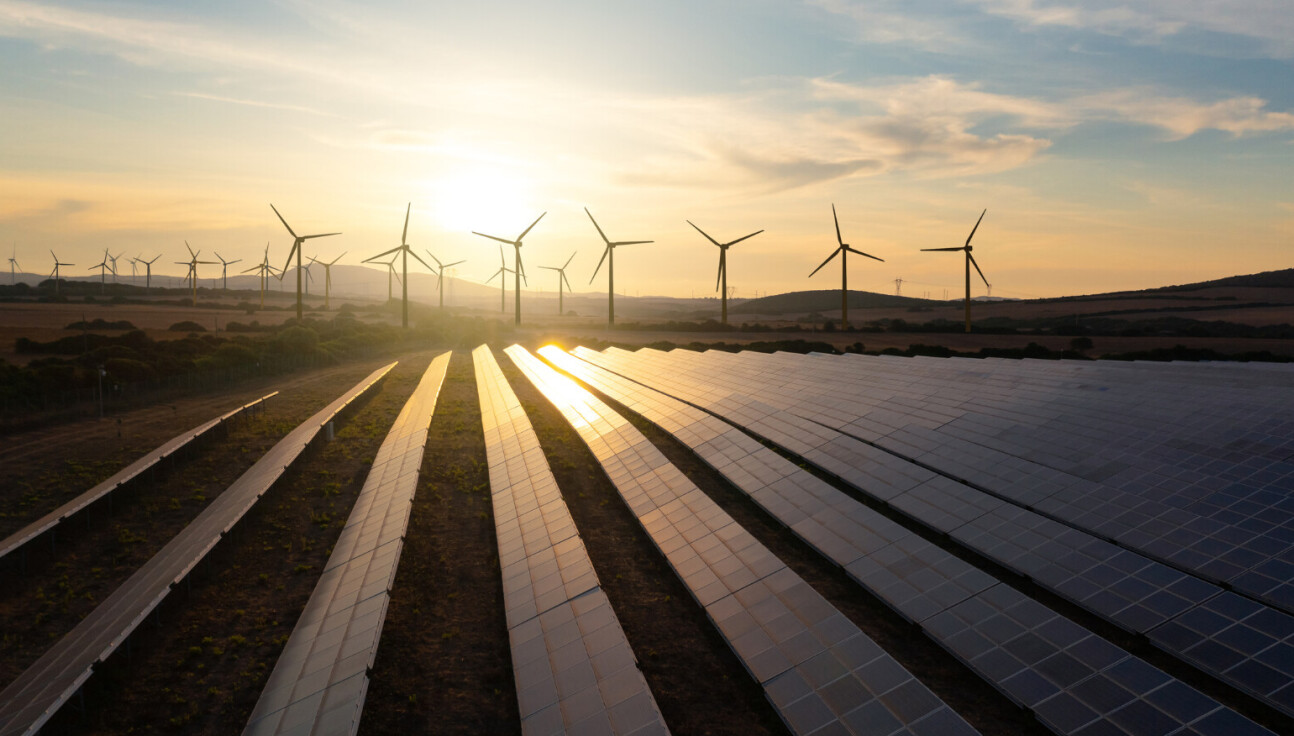 “The goal is not to compete with high-performance graphite but to provide a ‘good enough’ material for these low-energy applications,” said Dr Brito Parada. “The idea is to use what’s already there (and there is certainly plenty of mine waste) so you’re not adding to the energy demands involved in battery manufacture.”
An understanding of battery electrochemistry on mixed minerals will be a key to battery materials efficiency, cost effectiveness and use-case diversification. Dr Chandramohan George Associate Professor, Dyson School of Design Engineering
Co-lead author Dr Chandramohan George, Associate Professor at the Dyson School of Design Engineering, added: “An understanding of battery electrochemistry on mixed minerals will be a key to battery materials efficiency, cost effectiveness and use-case diversification.
“This works highlights the potential of tailings as lithium-ion battery electrode materials, which can also be extended to other battery chemistries such as Na-ion, Li-S and more, although this is still a work in progress.”
Green enhancements
While unprocessed tailings aren’t ready to replace commercial anodes tomorrow, their base performance is a promising starting point. Importantly, any future battery powered on mine waste, or any other non-standard material, needs to strike a careful balance between sustainability and electrochemical performance.
The next phase of research will look into how to enhance the tailings using existing mineral processing techniques already available at mine sites, such as froth flotation, a common method to concentrate the pyrite from the tailings without resorting to furnaces or chemical processing.
That might nudge mine waste – once considered worthless – towards being a valuable resource for the green energy transition, instead of an environmental liability and economic burden. It also posits a future where intelligent, low-energy enhancements can create a sustainable revenue stream for lithium-ion batteries to simultaneously meet growing global demand and energy targets.
Article text (excluding photos or graphics) © Imperial College London.
Photos and graphics subject to third party copyright used with permission or © Imperial College London.
Reporter
Gege Li
Department of Earth Science & Engineering
