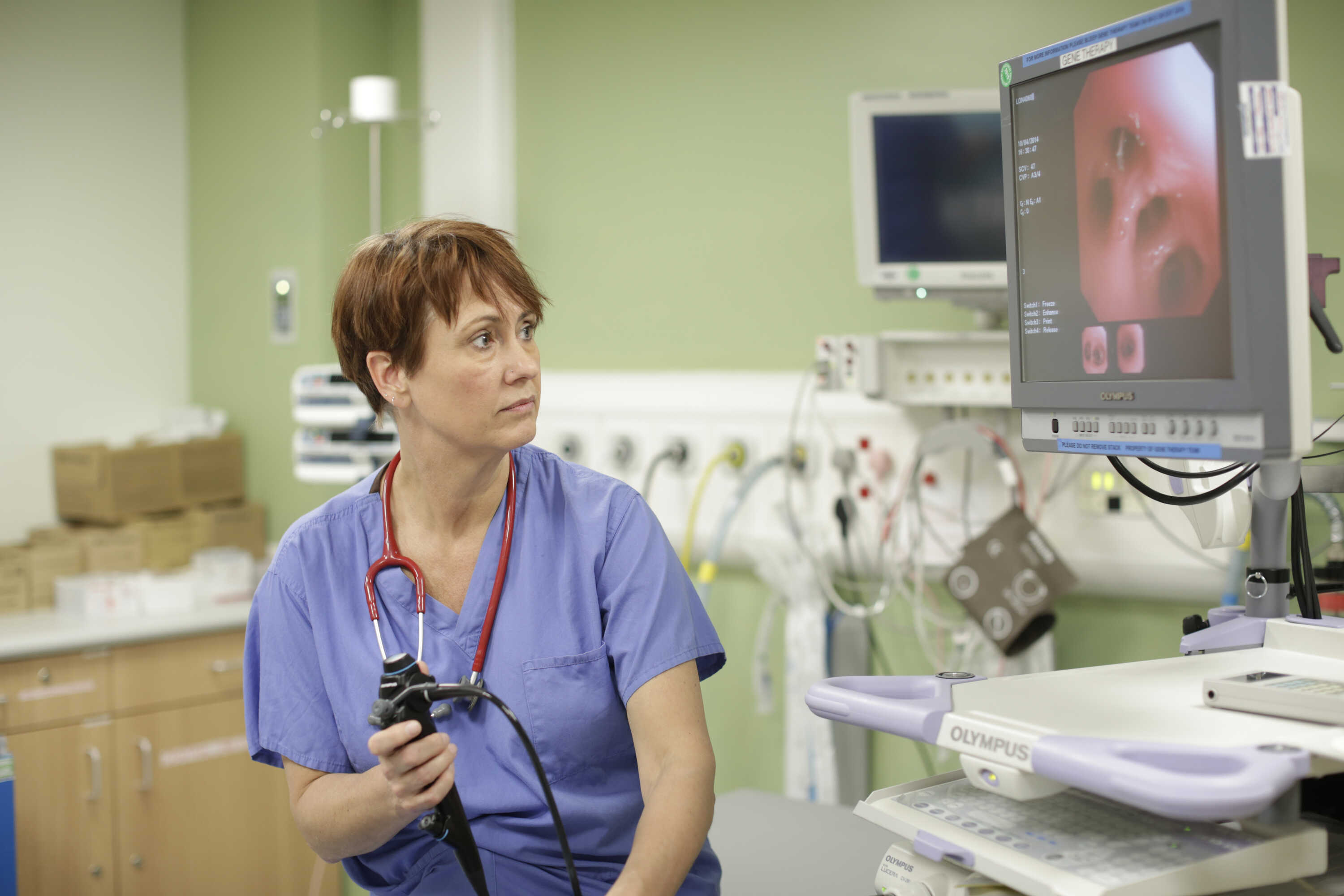
Neonatal respiratory management
Participants will learn how to diagnose and manage both common and rarer neonatal respiratory conditions and become confident to apply advanced techniques of neonatal invasive and non-invasive respiratory support.
Course key facts
-
Date
12 Nov - 10 December 2026
Duration
5 weeks
-
Credits
Non credit bearing
-
Format
Online
Fee
£495
-
Location
Online
Overview
This course will contextualise the participants knowledge of the development and physiology of the respiratory system, and how disruption of normal development leads to neonatal respiratory disorders.
Participants will learn how to diagnose and manage both common and rarer neonatal respiratory conditions and become confident to apply advanced techniques of neonatal invasive and non-invasive respiratory support appropriately. They will discover the possible long-term implications of newborn respiratory disease in childhood and adulthood.
The course is part of a range of short courses spread throughout the academic year which are available both to students who are enrolled on the MSc Applied Paediatrics and as stand-alone CPD programmes for all healthcare professionals.
For participants who have successfully completed the course, the learning outcomes will be:
- Make connections between the disruption of the development and physiology of the neonatal respiratory.
- system and the pathophysiology of neonatal respiratory disorders and formulate appropriate management plans.
- Critically apply advanced techniques in neonatal ventilation, including non-invasive ventilation, high-frequency oscillation and ventilator graphics.
- Anticipate and explain the possible long-term outcomes of neonatal respiratory disease.
- Propose a research question and a research plan that would effectively investigate an issue within neonatal respiratory care.
Course details
This course will benefit neonatologists, paediatricians, GPs, nurses, therapists, and other healthcare professionals involved in Child Health.
Benefits of Attending?
In this course students will contextualise their knowledge of the development and physiology of the respiratory system, and how disruption of normal development leads to neonatal respiratory disorders.
Students will learn how to diagnose and manage both common and rarer neonatal respiratory conditions and become confident to apply advanced techniques of neonatal invasive and non-invasive respiratory support appropriately. Students will discover the possible long-term implications of new born respiratory disease in childhood and adulthood.
All participants will be awarded an Imperial College London Certificate of Attendance on completion of the course.
Evidence of sufficient participation will be required to obtain a course certificate.
A 20% administration fee will be levied for cancellations made up to two weeks prior to the start of the course. Cancellations thereafter will be liable to the loss of the full fee. Notice of cancellation must be given in writing by letter or fax and action will be taken to recover, from the delegates or their employers, that proportion of the fee owing at the time of cancellation.
Imperial College London reserves the right to cancel an advertised course at short notice. It will endeavour to provide participants with as much notice as possible, but will not accept liability for costs incurred by participants or their organisations for the cancellation of travel arrangements and/or accommodation reservations as a result of the course being cancelled or postponed. If a course is cancelled, fees will be refunded in full. Imperial College also reserves the right to postpone or make such alterations to the content of a course as may be necessary.
Your instructor
Dr Mark Thomas
Chelsea and Westminster Hospital; Neonatology, Neonatal Intensive Care and Neonatal respiratory support and infant lung function.
Contact us
Eva Moreno
Senior Programme Administrator
- Phone: +44 (0)20 7594 6885
- Email: cpd@imperial.ac.uk
.png)