
Genomic Epidemiology Workshop in Campinas, Brazil
This 5-day workshop will take place from 2nd to 6th of February2026, at the University of Campinas (UNICAMP), and brings together researchers, public health professionals, and policymakers to strengthen local capacity in genomic epidemiology of arboviruses in Brazil. Through hands-on training, expert talks, and collaborative discussions, participants will learn cutting-edge approaches to outbreak investigation and response while building lasting national and international partnerships.
This workshop is organised by Imperial College London, alongside with the University of Campinas (UNICAMP) through the Institute of Biology (IB), The Graduate Programme in Genetics and Molecular Biology, the National Institute of Photonics Applied to Cell Biology (INFABIC), the Laboratory of Emerging Viruses (LEVE), the Laboratory of Bioinformatics and Virology (LABIV) and partners at the University of São Paulo (USP).
How to Apply
Applications are now closed.
More information
- Workshop background
- Workshop aims
- Workshop outline & format
- Who is this workshop for?
- Cost & financial support
- Preliminary programme
- Organizing committee
- Support team
- Location
Arboviral diseases are viral infections transmitted by arthropods such as mosquitoes and ticks. They represent one of the most significant public health challenges in Latin America. In 2022 alone, more than three million cases were reported across the region. Dengue virus (DENV) accounted for the vast majority with 2.8 million cases (90%), followed by chikungunya virus (CHIKV) with 273,841 cases (8.8%), and Zika virus (ZIKV) with 40,528 cases (1.2%).
While dengue has circulated in the Americas since the 1960s–70s, ZIKV and CHIKV are more recent arrivals, first introduced in 2013. Notably, two distinct genotypes of CHIKV entered the region almost simultaneously. Because of delays in surveillance, overlapping symptoms, and co-circulation of multiple viruses, cryptic transmission has often gone undetected—particularly for ZIKV—until revealed by genomic epidemiology studies.
The scale of the threat continues to grow. In 2024, the Americas experienced their largest dengue epidemic on record, with more than 1,000 deaths in the first three months alone. Brazil was the hardest hit, reporting over 10 million cases and 6,000 deaths.
Genomic epidemiology is transforming how we track and respond to these outbreaks. By integrating viral genome data with epidemiological information, researchers can trace origins, map spread, identify key drivers, and provide evidence for timely public health interventions. This approach has already proven vital in studying influenza, Ebola, Zika, chikungunya, and COVID-19.
In this workshop, we will explore both the historical and current state of arboviral transmission globally and in Brazil. Participants will gain hands-on training in state-of-the-art genome sequencing and analysis methods, helping to strengthen local capacity and foster international collaboration.
- Build local capacity in genomic epidemiology of arboviruses in Brazil through hands-on training with local researchers.
- Foster collaborations between Brazilian states, and international partners.
- Strengthen links between researchers, public health stakeholders, and policymakers.
- Support scientific publications on historical and current spatiotemporal patterns of arboviral circulation in the region.
This 5-day workshop will combine theory and practice to apply genomic epidemiology tools in outbreak investigation and response, focusing on arboviruses in Northeast Brazil and beyond.
- Day 1 – Epidemiology, Genomics and Response to Arboviral Outbreaks.
- Day 2 – Metagenomics: from sample to sequence.
- Day 3 – Introduction to phylogenetics: From sequences to trees.
- Day 4 – Bayesian phylodynamics: Making sense of time and space.
- Day 5 – Multiathogen genomic surveillance and implications for policy.
While the main focus is genomic epidemiology, sessions will also address One Health approaches, public policy, and the political context of arboviral diseases in Brazil.
We welcome applications from early-career researchers (PhD level and above) and public health professionals who:
- Work on outbreak preparedness and response for arboviruses (genomics, phylogenetics, epidemiology, and/or policy).
- Have experience or interest in interdisciplinary approaches.
- Are committed to collaborative research and capacity building.
Participation in this workshop is completely free. To ensure broad access, we will cover:
- Flights (to and from São Paulo or Campinas)
- Hotel accommodation for the duration of the workshop
- Breakfast during your stay
Participants are responsible for covering any other expenses.
This is a preliminary programme. Speakers and sessions might still change. The final programme will be announced in the next few weeks.
02-02-2026 Day 1 - Epidemiology, Genomics and Response to Arboviral Outbreaks
| 08:00-08:30 | Registration | |
| 08:30-08:45 | Welcome and workshop overview | Dr Darlan Candido (ICL) |
| 08:45-09:15 | Keynote speaker 1: Global genomic epidemiology of arboviruses | Dr Nuno Faria (ICL/USP) |
| 09:10-09:40 | Keynote speaker 2: Overview of global arboviral burden | Dr. Diana Rojas (WHO) |
| 09:40-10:05 | Host-Pathogen interactions in arboviral infections | Dr José Modena (Unicamp) |
| 10:05-10:30 | Historical and current arboviral spread in the Amazon region | Dr Camila Romano (USP) |
| 10:30-11:00 | Coffee break | |
| 11:00-11:25 | Transmission dynamics of arboviruses | Dr William de Souza (Kentucky) |
| 11:25-11:50 | Investigation of sylvatic yellow fever in Southeast Brazil | Dr Betania Drummond (UFMG) |
| 11:50-12:15 | Arbovirus circulation in Northeast Brazil | Dr Ricardo Khouri (FIOCRUZ-Bahia) |
| 12:15- 12:40 | Flaviviruses - From immunity to vaccines | Dr Mauricio Lacerda (FAMERP) |
| 12:40-13:50 | Lunch | |
| 13:50-14:15 | Viral structures of Brazilian arboviruses | Dr Rafael Elias Marques (LNBIO) |
| 14:15-14:40 | Response to arboviral threats in the State of São Paulo | Dr Rodrigo Angeramin (Unicamp) |
| 14:40-15:05 | AI approaches to understanding the pathophysiology of arboviruses | Dr Mariana Severo (USP) |
| 15:05-15:30 | Exploring arbovirus diversity to uncover genomic features shaping virus-host interaction | Dr Marielton dos Passos Cunha (Unicamp) |
| 15:30-15:55 | Global perspective on early warning systems for surveillance | Dr Lorena Barberia (USP) |
| 15:55-16:30 | Coffee break | |
| 16:30-17:00 | Genomic epidemiology for public health: the case of polioviruses | Dr Darlan Candido (ICL) |
| 17:00-18:00 | Round table: Translating Genomic Data into Policy and Practice | Dr Darlan Candido (ICL) |
03-02-2026 Day 2 - Metagenomics: from sample to sequence
| 09:00-10:00 | Metagenomic and target-sequencing for outbreak response |
Dr Mariene Amorim (USP), Dr Livia Sachetto (Unicamp)
|
| 10:00-10:30 | Coffee Break | |
| 10:30-12:30 | Practical 1: Genomic sequencing of arboviral samples |
Dr Mariene Amorim (USP), Dr Livia Sachetto (Unicamp)
|
| 12:30-13:30 | Lunch | |
| 13:30-15:30 | Practical 1: Genomic sequencing of arboviral samples | |
| 15:30-16:00 | Exploring sequencing data with RT-MetA | Dr Filipe Romero (ITpS) |
| 16:00-16:30 | Coffee Break | |
| 16:30- 18:00 | Group session 1 | Dr Darlan Candido (ICL) |
| 18:00- 19:00 | Poster session |
04-02-3036 Day 3 - Introduction to phylogenetics: from sequence to trees
| 09:00-09:30 | Introduction to command line | Vinicius Franceschi (ICL) |
| 09:30-10:00 | Bioinformatics of microbial genomic data | Dr. Sam Wilkinson (U. of Birmingham) |
| 10:00-10:30 | Quality control of genomic data | Dr. Sam Wilkinson (U. of Birmingham) |
| 10:30-11:00 | Curating datasets for genomic epi analysis | Dr. Sam Hong (KU Leuven) |
| 11:00-11:30 | Coffee Break | |
| 11:30-12:00 | Databases and multiple sequencing alignments | Dr Camila Romano (USP) |
| 12:00-12:30 | Practical 2: Multiple sequence alignment |
Dr Filipe Romero (ITpS) and Dr Camila Romano (USP)
|
| 12:30-13:30 | Lunch | |
| 13:30-14:15 | The bases of phylogenetic analysis and tree inference | Dr Filipe Romero (ITpS) |
| 14:15-15:00 | Practical 3: Maximum likelihood approaches for arboviral investigation | Dr Filipe Romero (ITpS) |
| 15:00-16:00 | Practical 4: Visualizing phylogenetic trees and nextstrain | Dr Anderson Brito (ITpS) |
| 16:00-16:30 | Coffee Break | |
| 16:30-18:30 | Group session 2 |
Dr Darlan Candido (ICL) |
05-02-2026 Day 4 - Bayesian phylodynamics: making sense of time and space
| 09:00-09:30 | Bayesian Phylogenetics | Dr Sam Hong (KU Leuven) |
| 09:30-10:15 | Practical 5: Inferring rates and dates | Dr Sam Hong (KU Leuven) |
| 10:15-10:45 | Coffee break | |
| 10:45-11:15 | Phylogeographic approaches | Dr Sam Hong (KU Leuven) |
| 11:15- 12:00 | Practical 6: Unravelling spatiotemporal dynamics in discrete space | Dr Sam Hong (KU Leuven) |
| 12:00-12:45 | Keynote speaker 3: : The Never-Ending Story of BEAUti and BEAST X | Dr Philippe Lemey (KU Leuven) |
| 12:45-13:45 | Lunch | |
| 13:45-14:15 | Delphy - scalable, near-real-time Bayesian phylogenetics for outbreaks | Dr Patrick Varilly (Broad Institute) |
| 14:15-14:45 | Delphy pratical | Dr Patrick Varilly (Broad Institute) |
| 14:45-15:45 | Mathematical models for arboviral outbreak investigation (Theoretical and Practical) | Dr Charlie Whitaker (UC Berkeley) |
| 15:45-16:15 | Coffee break and Q&A session | |
| 16:15-18:00 | Group session 3 | Dr Darlan Candido (ICL) |
06-02-2026 Day 5 - Multipathogen genomic surveillance
| 09:00-09:25 | Genomic epidemiology of arboviruses in the African region | Dr. Houriiyah Tegally (Stellenbosch University) |
| 09:25-09:50 | Pathogen genomics in Cambodia | Dr. Erik Karlsson (Institut Pasteur Cambodia) |
| 09:50-10:15 | Wastwewater surveillance for Pandemic Prevention | Dr. Alex Shaw (ICL) |
| 10:15-10:45 | Coffee Break | |
| 10:45-11:45 | Group presentations and feedback | Dr Darlan Candido (ICL) |
| 11:45-12:10 | Blood donors as a source of information during epidemics | Dr Ester Sabino (USP) |
| 12:10-12:35 | Vigilância genômica para patógenos com potencial epidêmico: Estratégia Regional (PAHOGen) | Dr. Jaqueline de Oliveira (PAHO) |
| 12:35-13:00 | Vigilância genômica: inovação e sustentabilidade | Dr Geovani Ribeiro (Brazilian MoH) |
| 13:00-13:30 | Final remarks | Dr Darlan Candido (ICL) |
| 13:30 | Airport departure |
|
|
Darlan da Silva Cândido, PhD Research Associate in the Department of Infectious Disease Epidemiology. His research focuses on the use of epidemiological and genomic data to understand the spread, transmission, and evolution of viruses. He is currently working in the Vaccine Epidemiology Research Group, under the supervision of Dr. Isobel Blake and Prof. Nick Grassly, applying mathematical models and phylogenetic tools to explore the dynamics of vaccine-derived poliovirus transmission in African countries. In 2022, he obtained a PhD in Zoology from the University of Oxford, with research on the epidemiology and genomics of arboviruses and SARS-CoV-2 in Brazil and other Latin American countries. His doctoral research was carried out within the Brazil-UK Centre for Arbovirus Discovery, Diagnosis, Genomics and Epidemiology (CADDE) and explored the early spread and evolution of SARS-CoV-2 in Brazil, including the identification, reporting, and description of the P.1/Gamma variant of concern in Manaus in January 2021. |
|
|
José Luiz Proenca-Modena, PhD José is one of the coordinators of the area of Biomedical Sciences 2 at FAPESP. Associate professor at Unicamp, he currently heads the Laboratory of Emerging Viruses (LEVE, https://leve.ib.unicamp.br/), where his research focuses on the pathogenesis and phylodynamics of Oropouche virus, Zika virus, Chikungunya virus, and Severe acute respiratory syndrome coronavirus 2 (SARS-CoV-2). During the COVID-19 pandemic, José played a leading role in mitigating the social and public health impact of the disease in Campinas city through molecular diagnosis, scientific dissemination, and the development of research that contributed to the understanding of new epidemiological, evolutionary, and pathophysiological aspects of COVID-19. Currently, he is conducting studies in the Amazon basin to understand the emergence and dissemination of viruses from the forest to urban settings. Additionally, he developed several infection models for Oropouche, Mayaro, Zika, and Chikungunya viruses, which have enabled advances in understanding the determinants of protection against different clinical outcomes. He has published 124 papers in indexed journals and authored three book chapters on virology and microbiology. He has already supervised 4 master’s students and 6 doctoral students. |
|
|
Nuno Faria, PhD Nuno is Professor of Virus Genomic Epidemiology at Imperial College London, where he co-leads the Pathogen Genomic Epidemiology theme, and Visiting Professor at the University of São Paulo’s Institute of Tropical Medicine. His research focuses on the evolution and spread of rapidly evolving viruses, including Zika, dengue, chikungunya, yellow fever, HIV, Ebola, influenza, and SARS-CoV-2. He has served on WHO advisory groups, contributed to the WHO SARS-CoV-2 sequencing guide, and worked on the EYE strategy for yellow fever. He obtained his PhD from KU Leuven (Belgium) and previously held research and teaching posts at the University of Oxford, including as a Wellcome Trust Fellow and member of the Oxford Martin School’s Pandemic Genomics programme. He currently leads the Wellcome-funded DeZi Network and co-leads the WHO-supported FEEVIR project, and has also co-directed major initiatives such as CADDE, ArboSPREAD, and ZiBRA. His work has received support from leading agencies including MRC, Wellcome Trust, FAPESP, WHO, and the Gates Foundation. |
|
|
Marielton dos Passos Cunha, PhD Marielton P. Cunha is a Professor of Bioinformatics with an emphasis on Microbiology at the Institute of Biology, University of Campinas (UNICAMP). He holds a B.Sc. in Biomedical Sciences (2012) and an M.Sc. in Parasite–Host Relationship Biology (2015) from the Federal University of Goiás, and a Ph.D. in Bioinformatics from the University of São Paulo (2019). He completed his postdoctoral training at the Institut Pasteur de São Paulo (2020–2024) and took part in the GVN Rising Stars Mentorship Program (2023–2024) under the guidance of Prof. Dr. Esteban Domingo. At UNICAMP, he coordinates the Laboratory of Bioinformatics and Virology (LaBiV), where his research focuses on molecular evolution of arboviruses and virus–host interactions, integrating experimental biology with bioinformatics analyses, and supervises undergraduate and graduate students. |
|
|
Ingra Morales claro, PhD Dr. Ingra Morales Claro has almost 10 years of experience in portable nanopore sequencing and infectious disease genomic-epidemiology surveillance. Ingra's research program is focused on developing novel methods for real-time, surveillance of emerging and re-emerging viruses such as Zika, Yellow Fever, Chikungunya, Dengue, Yellow Fever, and recently SARS-CoV-2, reducing the time and complexity of the methods so that they are more easily adopted by the public surveillance centres in the countries. |

|
Camila M. Romano, PhD Camila holds a degree in Biological Sciences and obtained her Master’s in Parasitology and PhD in Microbiology from the University of São Paulo. She is currently a Senior Scientific Researcher at the Laboratory of Medical Investigation in Virology (LIM52) of Hospital das Clínicas, FMUSP, and also affiliated with the Institute of Tropical Medicine.Dr. Romano has extensive experience in molecular biology, viral genomics, and phylogenetic analysis. Her research focuses on the evolutionary dynamics and spread of RNA viruses. She has authored over 120 peer-reviewed publications and currently leads projects on arboviruses and viral discovery in the Amazon, Atlantic Forest, and Cerrado biomes. |
 |
Filipe Romero Rebello Moreira, PhD Filipe Moreira is a genomic epidemiologist and bioinformatician at Instituto Todos pela Saúde (ITpS), São Paulo, Brazil, developing pathogen-agnostic genomic surveillance frameworks and pipelines to strengthen public health preparedness and response through scalable, open, and reproducible workflows for infectious disease threats.
|
 |
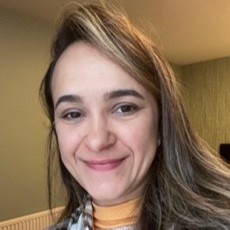
Lívia Sacchetto, PhD Dr. Lívia Sacchetto is a biologist with an MSc in Immunology and Infectious Parasitic Diseases (UFJF, Brazil) and a PhD in Virology (UFMG, Brazil). Her doctoral work focused on molecular surveillance of Zika and yellow fever viruses during Brazil’s major outbreaks in 2016–2017, including a fellowship at the World Reference Center for Emerging Viruses and Arboviruses (UTMB, USA). She later contributed to SARS-CoV-2 diagnostics during the COVID-19 pandemic and completed a postdoc at FAMERP through the NIH CREATE-NEO project, working on genomic surveillance of SARS-CoV-2, dengue, chikungunya, yellow fever, and Oropouche viruses. Since 2021, she has been part of FAMERP’s Postgraduate Program in Health Sciences, mentoring graduate students, and has served on leadership groups of ASTMH and the Brazilian Society of Virology. Currently, she is a postdoctoral fellow at UNICAMP’s Laboratory of Emerging Virus Studies (LEVE), focusing on the characterization of emerging arboviruses in the Amazon Basin. |
 |
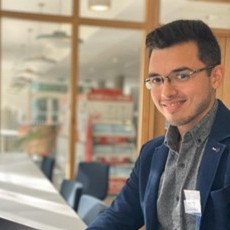
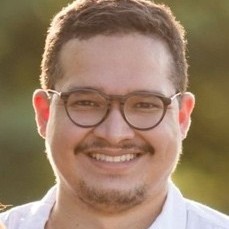
Mariene Amorim, PhD Mariene Amorim is a biologist with a Master’s and PhD in Genetics and Molecular Biology. She is currently a postdoctoral researcher at the Institute of Tropical Medicine, University of São Paulo (IMT-USP), where she works with molecular diagnostics, genomic sequencing, and viral metagenomics under a One Health perspective. Her experience includes studies on pathogen-host interactions, surveillance of emerging and zoonotic viruses in human and animal samples, as well as the application of next-generation sequencing technologies to understand viral evolution and dissemination. |
|
|
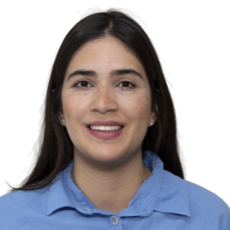
Tabassum Iqbal As the Senior Project Manager for the Vaccine Epidemiology Research Group at Imperial College London, I lead the strategic and operational management of a research portfolio focused on surveillance and diagnostics for viruses with pandemic potential. My role includes end-to-end project oversight, including budgeting, milestone tracking, stakeholder engagement, and funder reporting. I have extensive experience managing complex, multi-institutional global health research projects, ensuring that projects align with grant objectives, are delivered on time and within budget, and produce high-impact outcomes that support global public health priorities. Key Research Areas: Rapid diagnostics for poliovirus surveillance Epidemiology of polio eradication and endgame strategies Environmental surveillance for typhoid and other emerging pathogens My interdisciplinary academic background includes a BSc in Biomedical Sciences and an MSc in Global Health and Social Justice. Prior to joining Imperial, I worked across Asia, Africa, and the Middle East on global health workforce development initiatives, contributing to capacity building and health systems strengthening. |
 |
Sabine van Elsland, PhD Sabine is an infectious disease epidemiologist and senior public and global health leader at Imperial College London, where she serves on the executive board of the MRC Centre for Global Infectious Disease Analysis and leads on external partnerships, communications and knowledge translation. With over 20 years’ experience in infectious disease epidemiology, health systems and pandemic preparedness, including extensive work in Southern Africa and with WHO, her research and practice focus on using advanced analytics to inform real‑world policy and improve public health responses to epidemics. |
 |
Dabri Ohanu
|
 |
Esme Young |

The Genomic Epidemiology Workshop will take place in Campinas, Brazil and will be hosted at the University of Campinas (UNICAMP). UNICAMP is one of Latin America’s leading research universities, located in Campinas, São Paulo, Brazil. Founded in 1966, UNICAMP has built a strong reputation for innovation, scientific excellence, and societal impact. It consistently ranks among the top universities in Brazil and is recognized internationally for its contributions in science, technology, health, and the humanities.
UNICAMP is a research-intensive institution: although it accounts for less than 3% of Brazil’s higher education students, it produces roughly 8% of the country’s scientific output. The university hosts more than 30,000 students across undergraduate and graduate programs, with particular strengths in engineering, medical sciences, computer science, and life sciences.
Beyond academia, UNICAMP plays a central role in Brazil’s innovation ecosystem. It maintains strong ties with industry, supports hundreds of startups and patents, and contributes directly to public health and policy. With modern laboratories, hospitals, and research centers, the university is a hub for cutting-edge studies — from renewable energy to genomic epidemiology — and attracts collaborations worldwide.
Contact us
For any enquiries related to the MRC Centre please contact:
Scientific Manager
Susannah Fisher
mrc.gida@imperial.ac.uk
External Relationships and Communications Manager
Dr Sabine van Elsland
s.van-elsland@imperial.ac.uk