

Cross-faculty
/prod01/channel_4/imperial-news/media/news-images/3000X2000-main-article-images/17-11-2025-vulnerable-countries-call-for-Loss-and-damage-funding-3000X2000.jpg)
Amid escalating climate impacts, finance for loss and damage must be drastically scaled up to protect communities on the frontline.
As governments prepare for COP30 in Belém, climate experts are calling for a major boost in funding to help vulnerable countries recover from increasingly devastating climate impacts.
Climate disasters – like the recent Hurricane Melissa, which devastated Jamaica and was found to have been made four times more likely by climate change – are inflicting huge damage across the world, and vulnerable communities that have contributed the least to climate change are disproportionately affected.
With climate-related impacts expected to escalate with every fraction of a degree of warming, experts warn that finance for ‘loss and damage’ –unavoidable harms caused by rising temperatures – is still far from meeting the scale of the crisis.
A new Grantham Institute documentary released ahead of this year’s summit charts the historic creation of the Loss and Damage Fund at COP27 in 2022. The agreement provided long-awaited recognition that those least responsible for climate change are suffering its worst consequences, marking a milestone in the fight for climate justice.
There needs to be a real change in understanding the scale of support required. Dr Sivendra Michael
COP27 came in the wake of catastrophic flooding in Pakistan in 2022, which claimed nearly 1,500 lives and displaced millions. A subsequent World Weather Attribution study found that human-driven climate change had intensified rainfall by 75%, underscoring the disproportionate toll faced by climate-vulnerable nations.
The documentary, Inside COP: Science, Politics and the Fight for Loss and Damage, explores how human stories, science and politics came together to shape the final agreement.
Despite the symbolic breakthrough, the fund’s financial backing remains meagre. Global pledges currently stand at less than $800 million, a fraction of what experts say is needed. The Expert Group on Climate Finance estimates that loss and damage costs could reach $150–300 billion per year by 2030.
This shortfall has raised concerns that, without substantial new commitments at COP30, the fund will fail to protect communities already facing irreversible losses, from destroyed homes and livelihoods to lost cultural heritage.
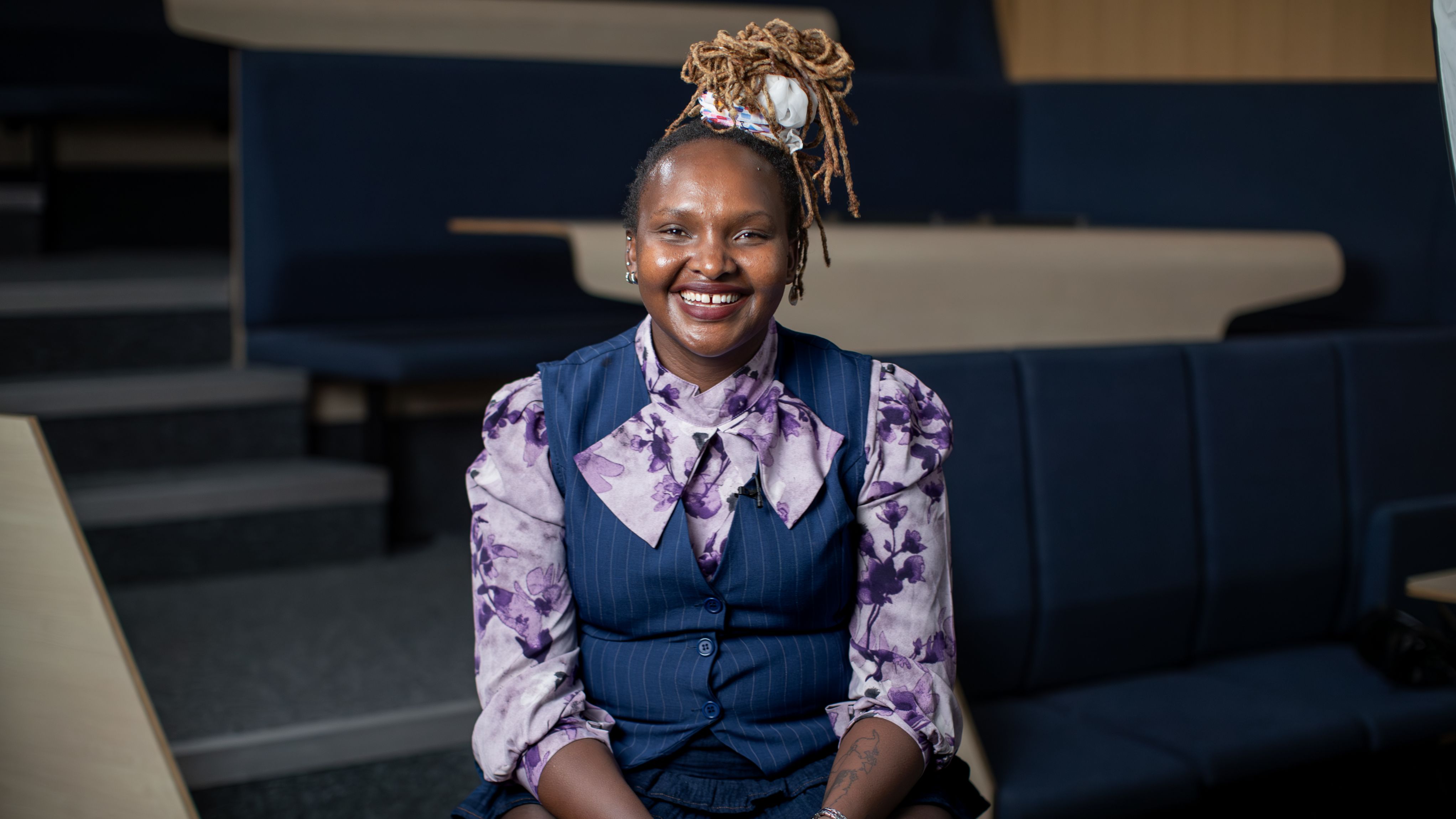
“Now there is a structure in place to support vulnerable countries in responding to losses and damages,” says Dr Joyce Kimutai (pictured below), climate scientist at Imperial. “But a lot needs to happen in terms of countries making – and sticking to – commitments to put money into the fund and actually help developing countries address loss and damage.”
Multilateralism isn’t dead... Even if every other aspect of international relations is in disrepair, it is still possible in climate to protect all our interests. Eamon Ryan
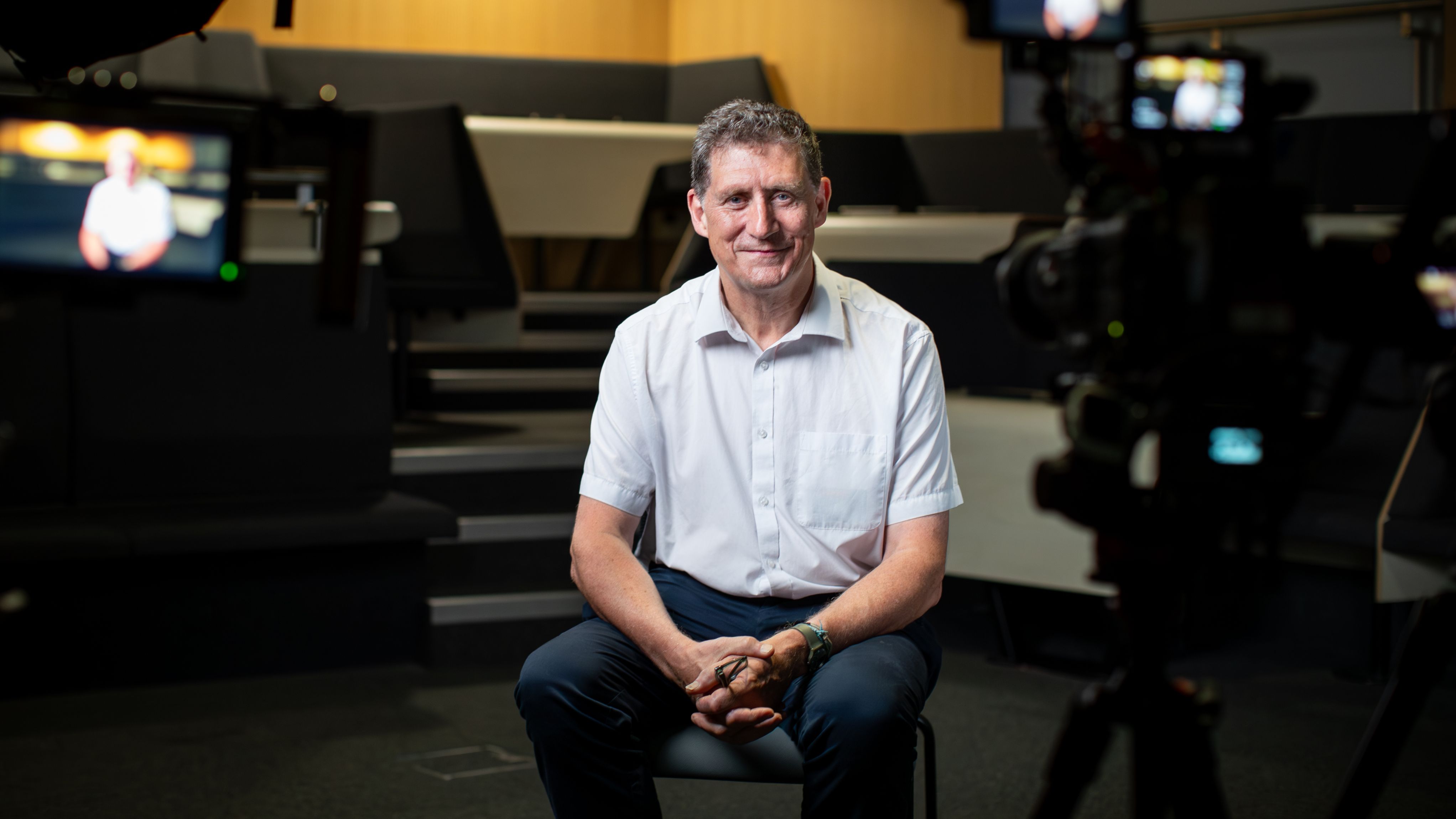
In recent years, climate change has slipped down the international agenda, according to Eamon Ryan, a former Irish Government Minister and lead EU negotiator on loss and damage at COP27 (pictured below).
However, “the ability still to negotiate progress in those difficult circumstances – in a world divided, a world at war – gives me hope that multilateralism isn’t dead,” he says.
“We are all at risk. We have a common cause in addressing the problem. Even if every other aspect of international relations is in disrepair, it is still possible in climate to protect all our interests.”
Inside COP, which features interviews with Dr Kimutai, Dr Michael, Mr Ryan and Dr Fahad Saeed, Senior Climate Scientist at Climate Analytics and Science Advisor to Least Developed Countries group at COP, is the second film in a series by the Grantham Institute on pivotal moments when science and innovation has helped shape transformative climate action.
The first film, published last month, features former Prime Minister Theresa May, Grantham Institute Director of Research Professor Joeri Rogelj, and Emeritus Professor Joanna Haigh. Watch it here: Net Zero: The inside story of the UK's climate target.
To get the latest climate and environment-related news, commentary, publications and events from Imperial, sign up to the Grantham Institute weekly update mailing list.

Article text (excluding photos or graphics) © Imperial College London.
Photos and graphics subject to third party copyright used with permission or © Imperial College London.
Faculty of Natural Sciences
Cross-faculty

Imperial Global
.jpg)
Campus and community

Engineering
Engineering
Engineering
Imperial Global
Discover more Imperial News
Search all articlesDiscover more Imperial News
Search all articles