The Imperial Centre for Psychedelic Research has for the last two decades been spearheading psychedelic research in the United Kingdom - hereunder conducting landmark clinical trials that kick-started global efforts to develop psilocybin therapy into a licensed treatment for depression.
Led and co-founded by Dr David Erritzoe and Dr David Nutt (initially together with Dr Robin Carhart-Harris, now USCF), the Centre focuses on the use of psychedelics in mental healthcare; The Centre conducts experimental psychopharmacology, specifically investigating the effects of classic and non-classic psychedelics in healthy and psychiatric populations. By using cutting-edge methods such as molecular (i.e. PET), electrophysiological (i.e. EEG), and structural & functional (i.e. MRI) brain imaging techniques, the team seeks to uncover these compounds' therapeutic potential and neuromechanisms, including brain plasticity and psychological flexibility.
After promising results in the treatment of major and treatment-resistant depression, anorexia nervosa, chronic pain and obsessive-compulsive disorder the Centre is now bridging expertise between CPR with the Division of Psychiatry’s addiction team via Dr Louise Paterson, allowing for the launch of psychedelic trials in addiction. An experimental medicine study using MRI and EEG is planned for psilocybin in Gambling Disorder and a two-staged NIHR-funded psilocybin therapy trial, also using MRI, in Opioid Use Disorder are both planned to start in late 2025.
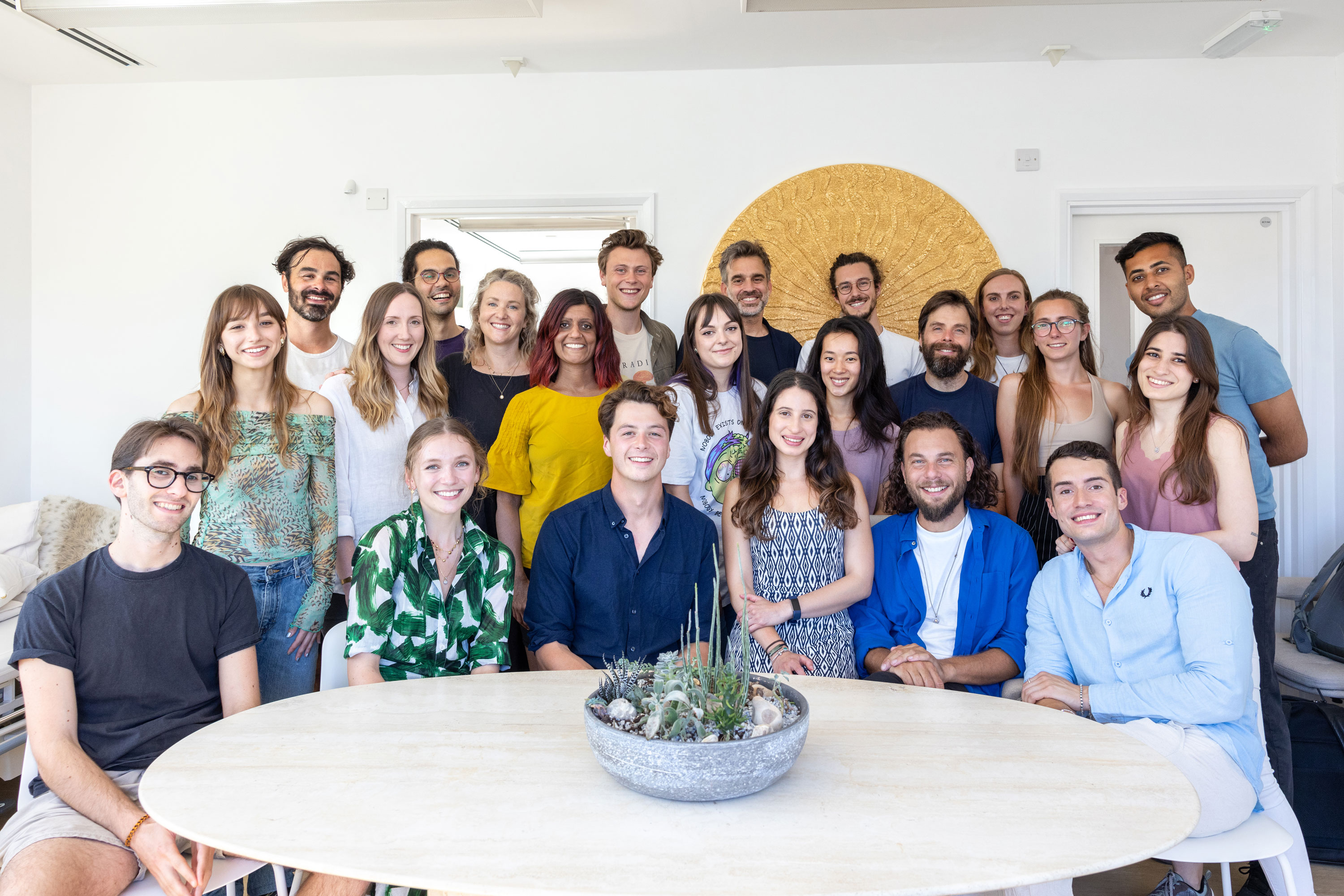
Beyond these trials, the Centre continues to study neuromechanisms of psychedelics more broadly - in a new series of studies in combination with non-invasive brain stimulation, which sees the Centre join forces with the Interventional Systems Neuroscience group led by Dr Nir Grossman. The Centre for Psychedelic Research and the CIPPRes Clinic are staffed by researchers, data analysts, medics, psychologists/therapists, and support staff. Moreover, CPR’s - and in particular CIPPRes' - collaborative activities with the NHS allow for unique research training opportunities for trainees and other staff in CNWL and West London NHS Trusts and an important exchange of knowledge between academics and clinicians.
The CIPPRes Clinic
The CWNL-Imperial Psychopharmacology & Psychedelic Research Clinic (CIPPRes Clinic), based at St Charles Hospital, was set up in 2021 as collaborative initiative between CNWL and Imperial College’s Centre for Psychedelic Research / the broader Division of Psychiatry. Led by David Erritzoe, CIPPRes aims at bringing research into novel interventions into an NHS setting. The clinic initially hosted Imperial-sponsored studies in healthy individuals (testing ketamine mechanisms of actions using PET-MRI-EEG) and patients with obsessive-compulsive disorder, OCD (testing clinical effects and measures of flexibility after a single 10 mg dose of psilocybin in adults with OCD).
More recently, CIPPRes has transitioned into a hub for the development of translational aspects of the work with psychedelic therapies, hereunder initiatives to help prepare the NHS-based staff, navigating and working with existing care structures whilst also closing a treatment gap – with patient seeking these novel treatments but compounds like psilocybin and MDMA not yet licensed and available. With this in mind, CIPPRes is currently hosting a clinical service pilot program with ketamine therapy for resistant depression. This program, named CNWL–Imperial–Montreal Ketamine Therapy (CIM-KeT), is piloting a treatment model modified from a ketamine model developed by Dr Kyle Greenway and colleagues at McGill University in Montreal and integrates ketamine administration with structured psychotherapy in order to enhance and prolong therapeutic outcomes. The CIM-KeT is delivered by Imperial and CNWL psychiatrists/trainees together with therapists from CNWL’s Community Living Well Talking Therapies.
The launch of CIPPRes Clinic and its CIM-KeT program in the NHS represents a watershed moment for psychedelic science, symbolic of its increasing mainstream recognition.
Key links