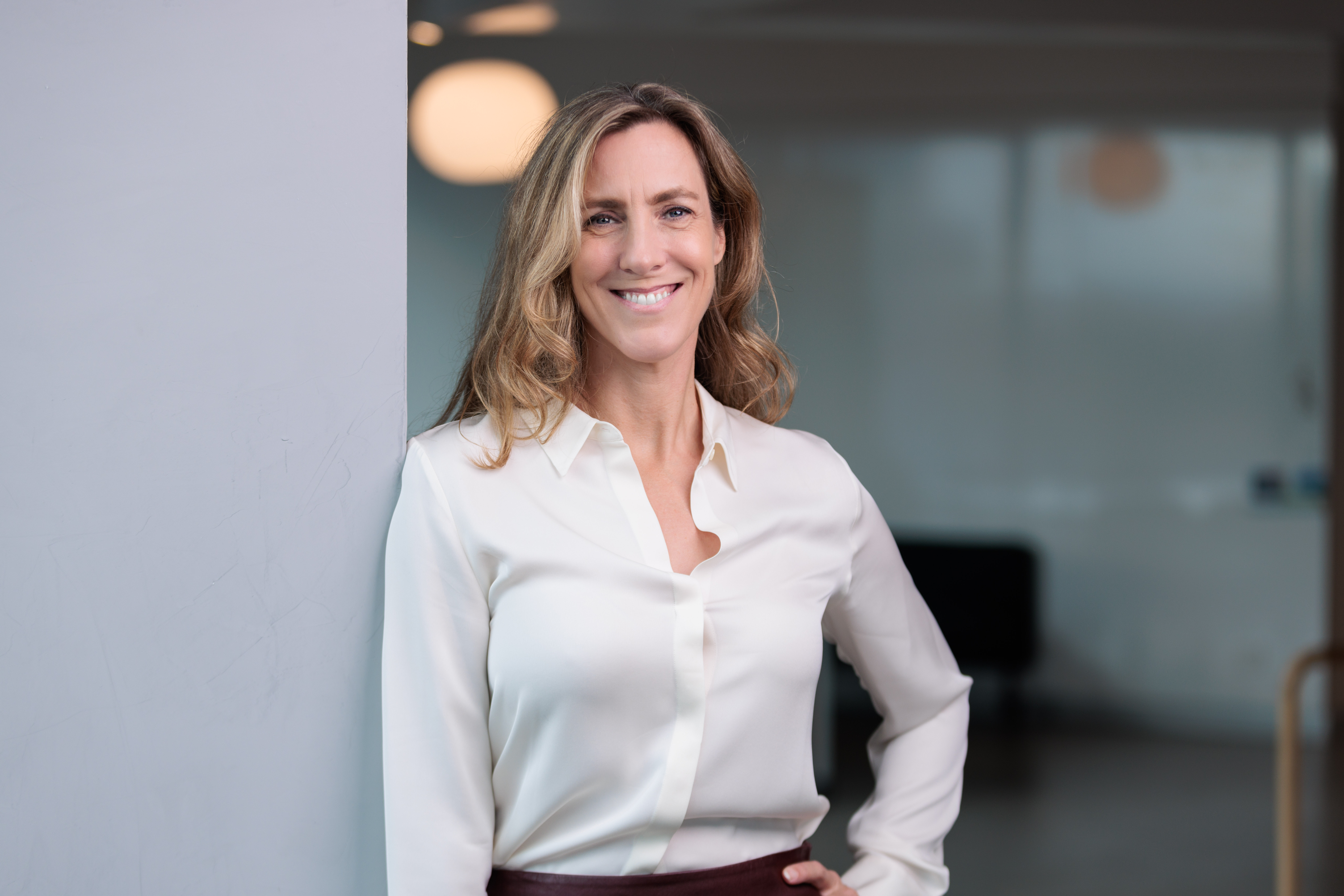
For International Women in Engineering Day, we spoke with Tanya de Hoog—member of our Industrial Advisory Board and former IStructE President—about what today’s students need from an engineering education and how the profession can help build a better world.
23 June 2025
 You’ve had an impressive global career in structural engineering—what first drew you to the field?
I liked the idea of a profession where I could point to something and say, ‘I designed that!’. I didn’t know what engineering was when I was at school.
Most engineers, including myself, can look back on their career and point to someone who profoundly influenced their career trajectory. For me, and for many, it was one of my teachers who introduced me to the idea of studying engineering. I probably would have found a profession that was both scientific and creative, and I was lucky that someone saw these traits in me even before I knew what I was looking for. The creativity and immense joy that comes from being part of a team that delivers engineering outcomes that make people’s lives better is one of the most rewarding parts of our profession. I may not have found that myself, or at least taken a longer time to land here.
What I love about engineering is that it is both an art and a science.
Engineering is often seen as purely technical – but how do creativity and collaboration play a key role in your work?
What I love about engineering is that it is both an art and a science. I hope that every engineering student finishes their studies understanding that creativity is an essential part of their work and one of the most powerful aspects of problem solving; the thing we are best at.
When I think about creativity in my job, I think firstly about this aspect being the most important part of problem solving and arriving at new solutions. For example, I love being involved in projects that bring people together, especially where the spaces they create have an uplifting quality to them. Working with talented architects, engineers and clients on spaces like this always brings about new solutions.
What have been some of the most rewarding projects or milestones in your career so far?
There have been so many rewarding moments in my career so far and as I look back I can’t believe how lucky I have been. I’ve worked hard and earned them too. Not everything has been easy and quick to come to fruition. In a way, it’s the opportunities that took a lot of vision, planning, training, and time to come together that are the ones that are most rewarding. Mostly, they come down to the people I’ve worked alongside, and the colleagues and friends I’ve made along the way.
Some standout highlights include Benfica Stadium in Lisbon because it was the first Stadium I worked on from start to finish, and Wimbledon No. 1 Court Stadium because it was technically the most complex stadium, as well as the best client and design team. The privilege of becoming President of the Institution of Structural Engineers (IStructE) stands out because I had the opportunity to meet engineers all over the world, share knowledge, and a passion for our profession, and advocate for the positive, immediate impact we can have on people and our planet. And most recently, taking on the role of Chief Engineering, Eminence and Innovation Officer at Aurecon, because it allows me to continue a leadership journey that strengthens our profession by showcasing how technical excellence and our expertise drive meaningful change.
Looking back on your term as President of IStructE, what were the highlights—and how did the experience shape you?
I was different from many of the Presidents that had come before me. I wanted to be a visible President so that others could see that engineers come from all different backgrounds...
I took on the role of IStructE President because I wanted to make a difference, and I was fortunate to be given the opportunity through this role. I was different from many of the Presidents that has come before me. I wanted to be a visible President so that others could see that engineers come from all different backgrounds, and what we all have in common is a strong technical foundation as well as a creative and lateral thinking ability to rival any other profession.
I see the possibilities for engineering to have a huge positive impact on the world by keeping people safe, changing the way their lives work, and reducing harm on the environment. I took on the role to elevate communication around these topics. I didn’t expect how much the role would shape me through the people I met and the community that supported me. I have seen first-hand how many people around the world are passionate and committed to the profession of engineering, and their desire to learn and share knowledge just to make the profession stronger and the world better. It’s not something that is just theoretical. I’ve seen it and I will spend the rest of my career advocating for it.
You’re helping shape how the next generation of engineers are educated through your role on our Industrial Advisory Board—what do you think today’s engineering students need most from their education?
I think students need three things…
First, strong technical fundamentals. We are moving into a future that is powered by technology in a way we have never seen before. Understanding how to use it powerfully requires us to have the engineering knowledge and leverage the experience of others.
Second, an understanding of the interconnectedness of the built and natural environment and the factors that influence and shape it. Engineers can be our leaders of today and tomorrow, and should be. To do this, we need to understand how we fit into the bigger picture and help others understand the essential nature of our work. Society and our planet need engineers to survive and thrive, and engineers need to understand this.
Third, passion & resilience. Engineers change the world for the better. With increasing impact of climate change on our world, we need more engineers to make a difference. It is not always an easy profession, and passion and resilience from the outset will lead to success.
For International Women in Engineering Day, we’re celebrating the contributions of women across our sector. How has your experience as a woman in engineering changed over the course of your career?
Every engineer’s experience and perspective on our profession changes with time. In the beginning, most often we are focused on gaining experience, gaining knowledge, and progressing, while also potentially still figuring out where to focus and how to navigate a career. Over time, and with more experience and responsibility, we see the world and the profession differently.
For me, my early career was full of energy for large scale Stadia and other cultural and design-led projects. As I progressed, I saw the impact a great building could have on the people that used it, and equally how a poorly designed or constructed building could harm others. This led to my passion for stepping up as a leader and advocating for the importance of technical excellence and competence across the profession, and celebration of how important engineering is to our communities and to the planet.
What advice would you give to young women considering a career in civil and environmental engineering today?
If you want to make a difference in the world, engineering is a great way to do it.
Diversity of thought, values and perspectives are essential in engineering and we know it has proven positive outcomes.
What do you think are the most effective ways to broaden the appeal of engineering and support gender diversity in the field?
Diversity of thought, values and perspectives are essential in engineering and we know it has proven positive outcomes. Celebrating the diversity of engineering outcomes on the world and celebrating the diversity of engineering as a profession, I believe, maximises the pool of people that it will appeal to. Some people love the deep technical side of engineering, while others like bringing people together and managing teams. There’s something in engineering for almost everyone, and showcasing the real-world impact of our work is one of the best ways to raise awareness and attract people who might not have connected with traditional images of hard hats or the stereotypes around maths and science.
You’re a strong advocate for embedding sustainability across engineering practice. How do you see the role of engineers evolving in the face of the climate crisis?
The role of the engineer has always been evolving, and will continue to do so. It responds to needs shaping society and technology shaping our profession. The impact of climate change requires us to respond and evolve as a society, and engineers are essential in ensuring we survive and thrive. This means we need more engineers in the future and ideally the role of the engineer therefore becomes better understood and has greater visibility and influence globally.