Diving into Fluid Mechanics: Preparing for a Career in Marine Renewables
6 May 2025
"This MSc integrates fluid mechanics with real-world applications in offshore, coastal, and built environments—exactly the technical foundation I was looking for to advance my career in marine renewable energy."
With a background in mechanical engineering and several years of experience in the solar energy industry, Guillermina Peragallo came to Imperial with a clear goal: to deepen her expertise in fluid mechanics and apply it to the fast-evolving field of marine renewable energy. Now studying our MSc in Engineering Fluid Mechanics for the Offshore, Coastal and Built Environments, Guillermina is expanding both her technical skills and career ambitions through this unique, interdisciplinary course.
From Solar Energy to Ocean Engineering
Originally from Uruguay, Guillermina earned her Bachelor of Science in Mechanical Engineering from Columbia University. After graduating, she spent over three years working in project engineering and management roles in the solar energy sector. But her growing interest in ocean energy and the fluid forces that shape our coasts led her to look for a course that would connect these fields.
"When I found this MSc at Imperial, it stood out immediately," she says. "It uniquely combines marine renewable energy, fluid mechanics, and design engineering. I wanted a programme that would give me a deeper technical foundation in these areas—and this one delivered."
The course also offered the chance to revisit fluid mechanics, a subject Guillermina had encountered during her undergraduate degree. "It was one of the most fascinating and challenging topics I studied, so I was excited to return to it in a more advanced and applied context."
One of the key draws of the programme was the Department's hydrodynamics laboratory. "This facility isn’t available at most universities," she says. "The opportunity to learn and conduct research using such an advanced lab really set Imperial apart."
Hands-On Learning and a Passion for Innovation
During the programme, Guillermina has taken part in a variety of practical projects. One highlight was using Computational Fluid Dynamics (CFD) to model airflow past a bridge deck. "CFD was a tool I was keen to learn, and being able to apply it to real-world scenarios was incredibly rewarding."
She also enjoyed conducting experiments in the hydrodynamics lab. "One of my favourites involved the wind-wave channel, where we studied momentum flux in wind-forced waves. Seeing these concepts play out visually really deepened my understanding."
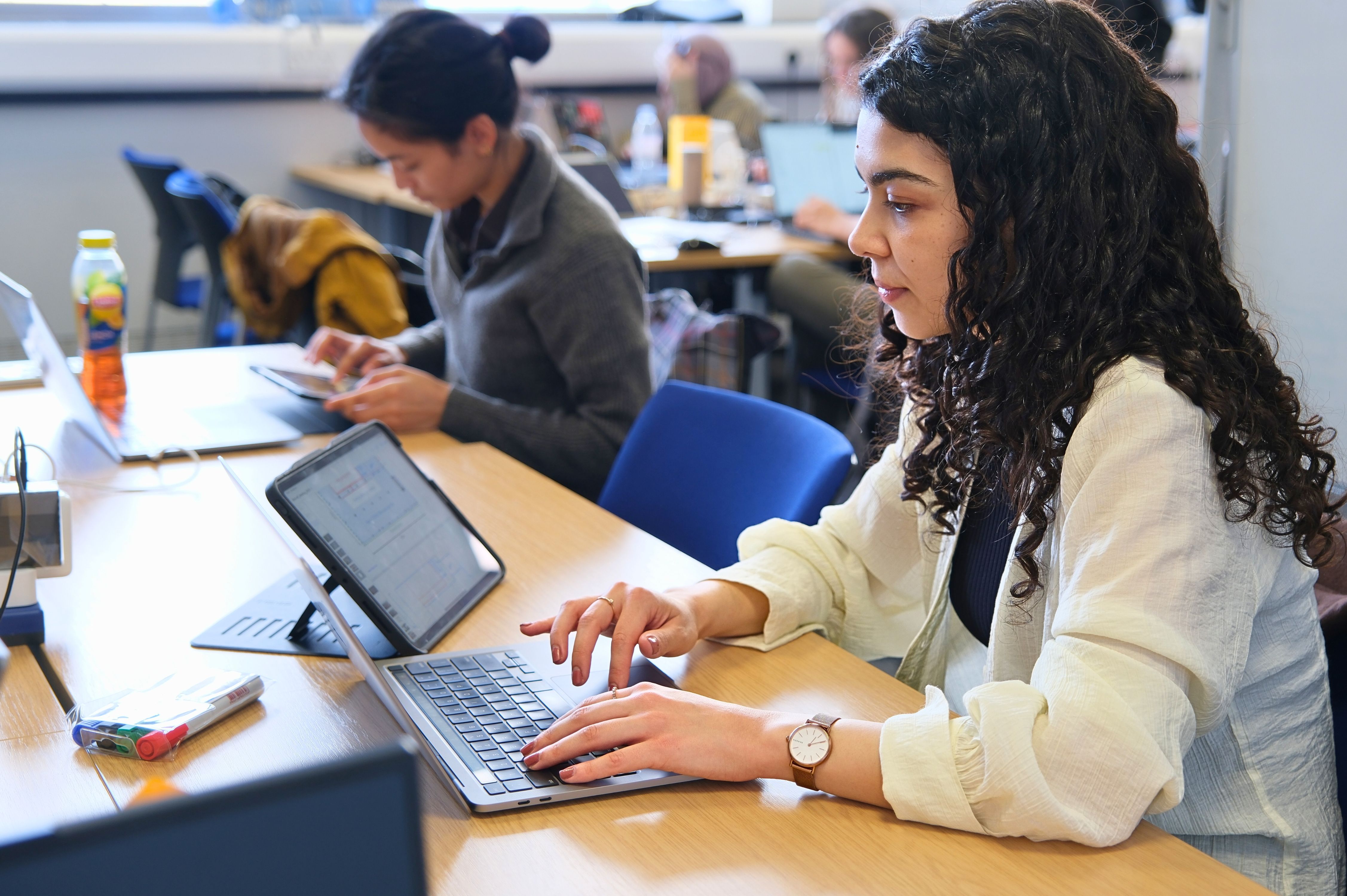
Outside the classroom, she’s had the chance to work on design projects with industry partners like Arup and Ramboll. "These experiences helped me see how classroom knowledge translates into industry practice."
Through the programme, Guillermina has strengthened a wide range of skills—from programming and data analysis to technical writing and numerical methods. She’s also gained experience using open-source software like OpenFOAM to run CFD simulations, which she says has been invaluable in helping her visualise and understand complex fluid mechanics problems.
Looking ahead, she is excited to begin her summer thesis project on hydrodynamic loading on wave energy devices, under the supervision of Dr Marios Christou.
Supporting the Future of Marine Energy Innovation
Guillermina’s MSc is supported by the Equinor Civil and Environmental Engineering Fluid Mechanics MSc Scholarship.
"It’s a field full of potential, and I’m excited to be part of its future."
Since joining the course, Guillermina has felt her academic and career goals come into sharper focus. "After graduating, I hope to contribute to the development of marine renewable energy technologies—especially wave energy converters and floating offshore wind structures," she says. "The ocean is a huge, relatively untapped source of renewable energy, and working in this space feels like the perfect blend of innovation, engineering, and environmental impact."
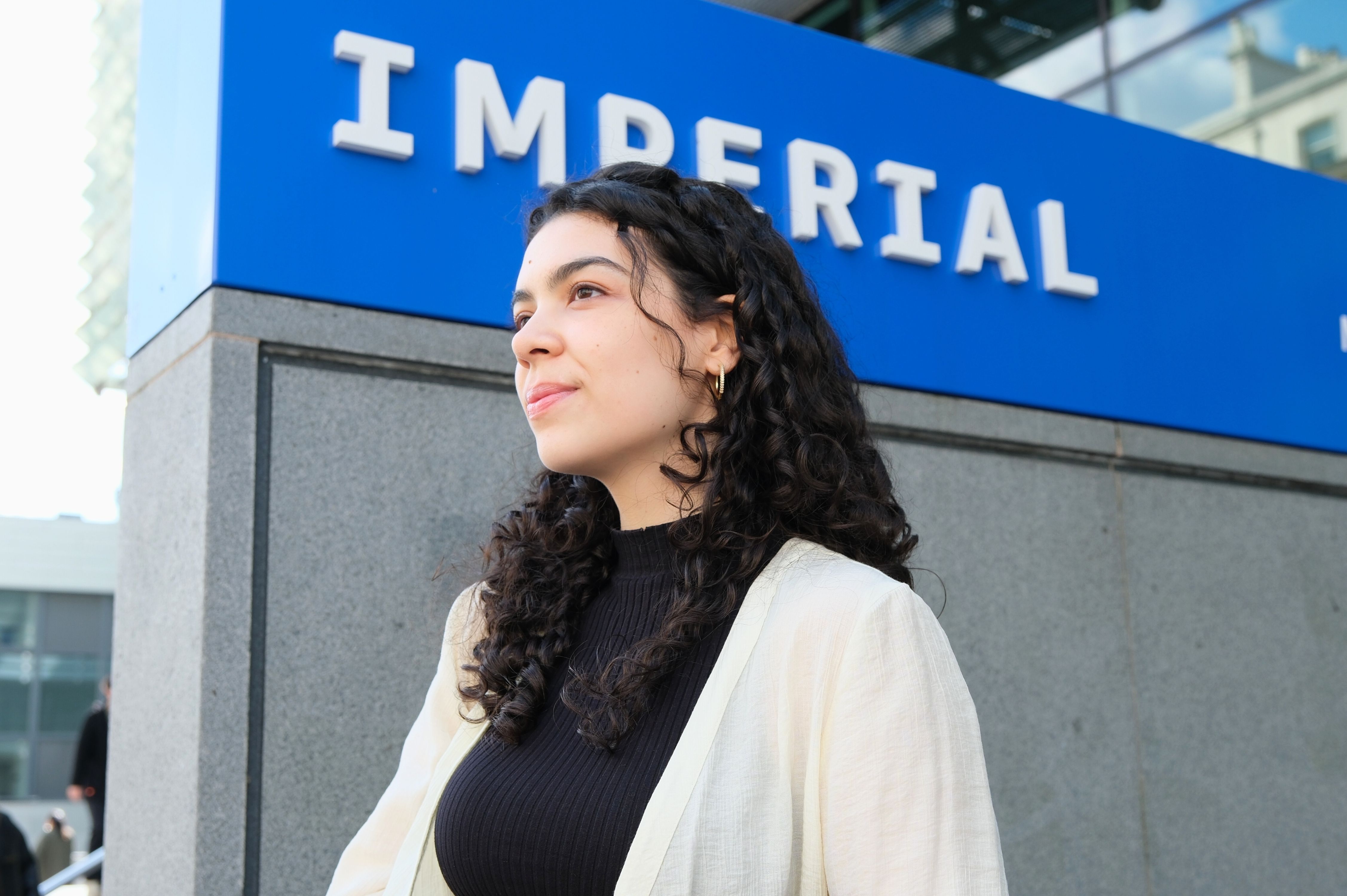 Outside of her studies, Guillermina enjoys making the most of campus life. "The best part of student life at Imperial has been the people. My classmates have become close friends, and it’s been great to not only work together but also explore London as a group."
She enjoys walking through the city’s neighbourhoods, watching Formula 1 on race weekends, and is a member of Imperial’s ice skating club. "We have weekly sessions—it’s a fun way to unwind and meet people from other programmes."
Looking ahead, Guillermina feels ready to tackle real-world challenges. "Imperial has given me the technical foundation, hands-on experience, and confidence to pursue a career in marine energy. It’s a field full of potential, and I’m excited to be part of its future."


.jpg)