From Wastewater to Quantum Algorithms: Meet President's Scholar Lily Lee
23 June 2026
"There is generally a need to rethink how we manage our resources, given the pressures from climate change, water scarcity and pollution, and I view my research as one small drop in that larger effort."
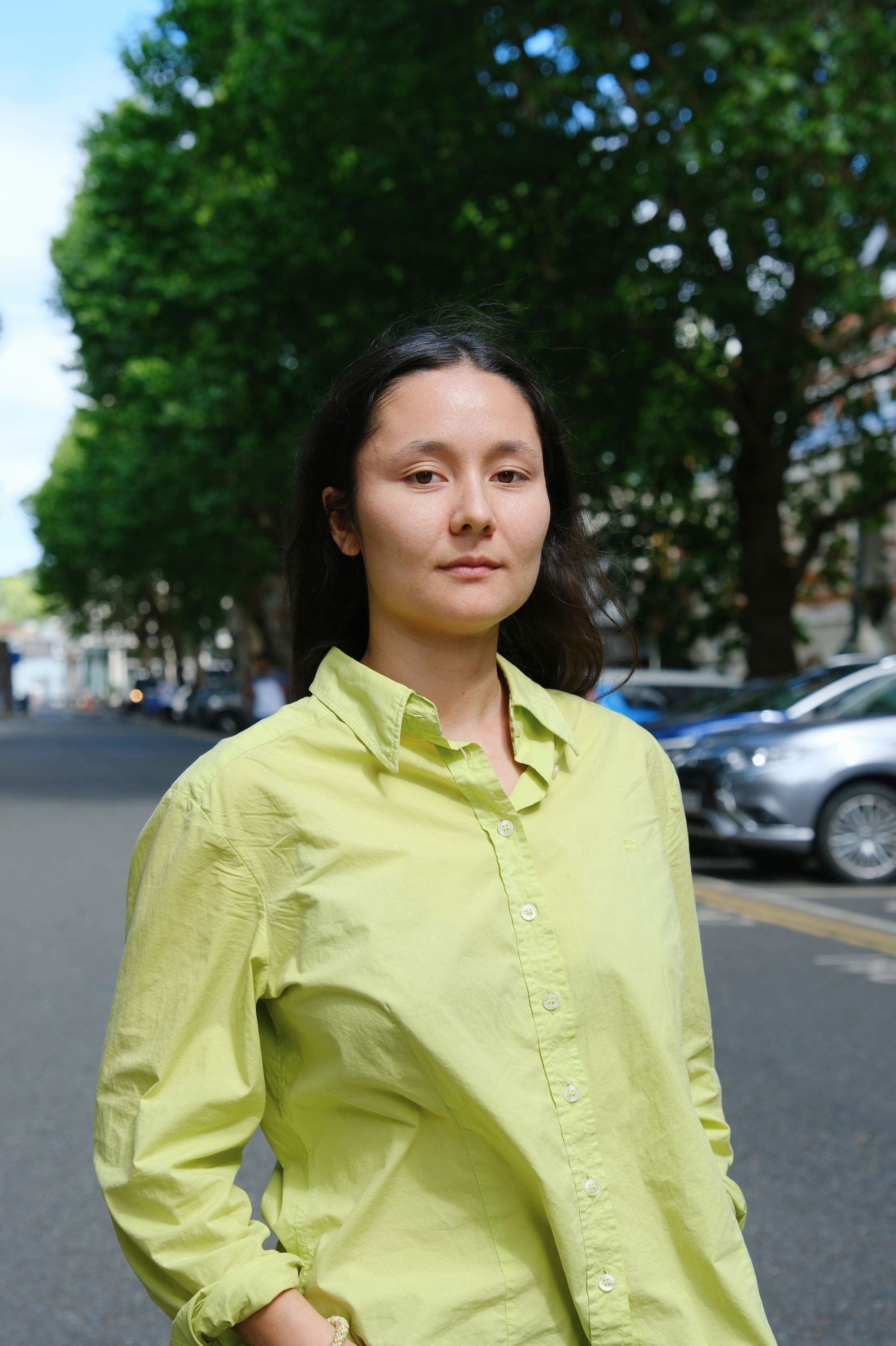 Lily Lee didn't set out to become a quantum computing researcher. A PhD student in the Department of Civil and Environmental Engineering (CEE), and a President's Scholar, her work now sits at the intersection of microbiology, bioinformatics and quantum algorithms, a combination she's built one curious step at a time. She arrived at CEE after a BS in Environmental Science and an MS in Environmental Engineering at UCLA, where a second-year research placement spanning atmospheric science, environmental health and geography convinced her that research was the career for her.
What ultimately drew her across the Atlantic wasn't a single factor; it was the professors she met while developing her project, the promise of a genuinely supportive supervision team, and a personal pull toward life in an international, multicultural city. "Having an encouraging supervision team was my most important criteria while applying to PhDs," she says.
Bioplastics, bacteria and a quantum twist
Lily's PhD focuses on optimising bioplastic production from wastewater, using bacteria that synthesise polymers called PHAs, which can be harvested to create bioplastics that degrade naturally in the environment. She uses genetic data, DNA and RNA sequencing, to understand the metabolic capabilities of the microorganisms living in the bioreactor, so operational changes can be designed to improve yield and the final material's properties. "There is generally a need to rethink how we manage our resources, given the pressures from climate change, water scarcity and pollution," she explains. "I view my research as one small drop in that larger effort."
The quantum dimension came later, after a fellow PhD student in her research group, Michael Ho, introduced her to Imperial's Quantum Tech society. That connection grew into a real research thread: she now works on quantum algorithms applied to biological systems, using quantum computing as a data driven approach to process the genetic data collected from her bioreactors. It also led her to the Deloitte Quantum Climate Challenge, which she went on to win. "It was rewarding," she says, "and also a useful opportunity to meet people in industry early in my PhD."
Asked what she's proudest of, Lily resists naming a single moment, pointing instead to the progress she's made across an unusually wide spread of disciplines. "My verbal communication has come on the most," she reflects, "particularly explaining complex problems in digestible terms and building narratives around my research." That growth hasn't happened alone - she's worked closely with PhD students from departments across Imperial, as well as with the Sustainable Environmental Research Center (SERC) at the University of South Wales.
Celebrating International Women in Engineering Day
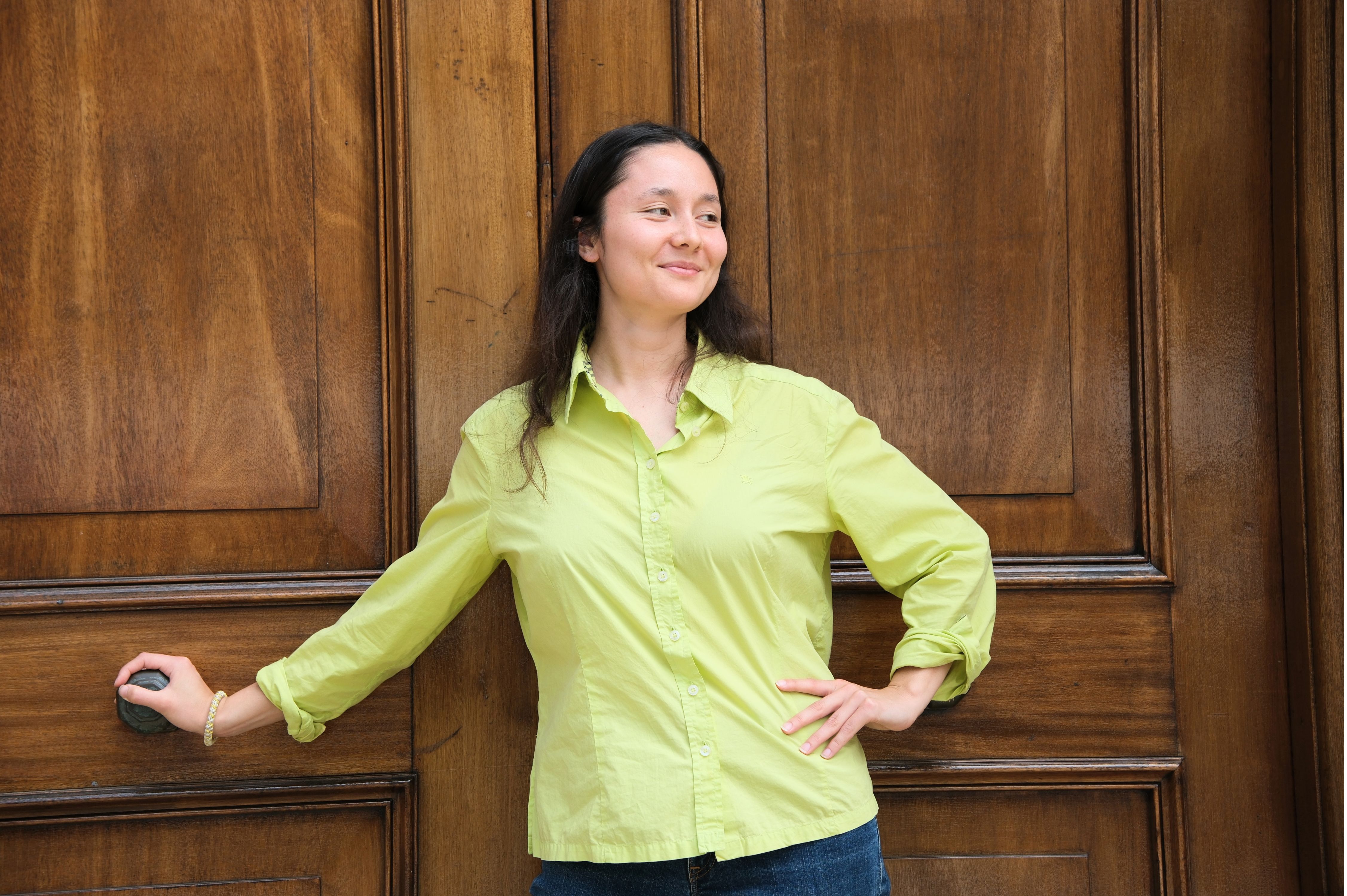
For Lily, International Women in Engineering day is about resilience, excellence and fun in equal measure. Both older and younger women in the field still contend with misogyny and poor behaviour from male colleagues, she says, but they keep excelling regardless, and building stronger communities along the way. Her own family works almost entirely in STEM, and she credits her mother and older sister specifically with shaping how she navigates the field. "My mum and older sister taught me how to advocate for myself," she says, "which is invaluable in a field where women are underrepresented." Many of her closest friends are women engineers too, and she's quick to note they make the work far more enjoyable than it might otherwise be.
"My mum and older sister taught me how to advocate for myself...which is invaluable in a field where women are underrepresented."
Her advice to young women considering engineering is straightforward: go for it. She points to the quantitative skills the discipline builds as transferable across almost any field, and speaks from experience, having started university as a humanities major before discovering engineering later in her degree. "I'd suggest trying to find opportunities, like internships or research projects in different areas," she says, "which can help you work out what you like, and what you don't." On why diversity matters in the field specifically, she's direct: engineers build the things people use, and ultimately decide who those things are built for. If only one group's perspectives shape that process, the built world will reflect it, a dynamic she sees playing out today in research on gender bias within the large language models reshaping the AI industry.
A President's Scholar
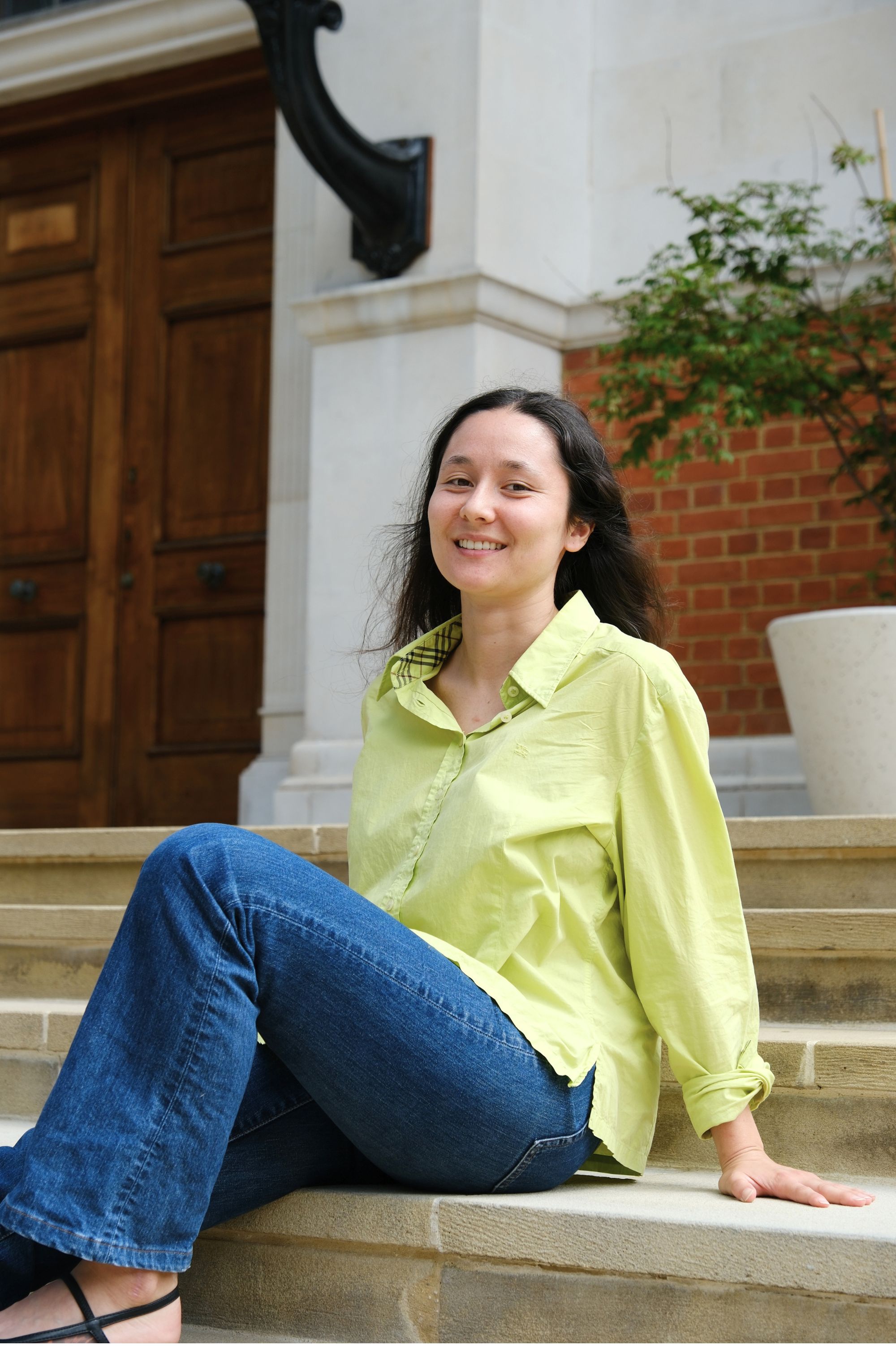 Lily's route to the President’s Scholarship started with a conversation, not a search. Her supervisors raised it during their initial discussions about her PhD, suggesting it could be a strong fit for her as an international student. Her reasoning for applying was characteristically pragmatic: "I thought, why not. The worst they can say is no."
What followed wasn't a quick form fill. Lily spent around three months working with her supervisor to develop her project and figure out how to present herself in her personal statement, and her advice to future applicants comes straight from that experience. "Start developing relationships with potential supervisors early," she says, "and spend time reflecting on why you want to do a PhD, so you can weave a strong and authentic story about why you're the right candidate for this project, right now." The scholarship has also shaped how freely she's been able to work since: without outputs dictated by a funding body or industry partner, she's had room to make the project her own. "It's made my project very enjoyable, as I'm not tied to producing certain outputs," she says, "and in a way, that's another useful skill: identifying real research gaps and the methods to fill them."
Lily wants to keep building on environmental microbiology while continuing to apply quantum methods as a tool to study it. She has her eyes set on a fellowship that lets her run an independent research track, whether at a university or a national lab.
About Lily: Lily Lee is a PhD student in Environmental and Water Resource Engineering. Outside the lab, she keeps things grounded, playing football, running, and enjoying yoga!
About the Scholarship: The President’s Scholarship supports talented and high performing PhD students, allowing them to undertake a research project of their choosing. Visit the Imperial scholarships search tool to find out about other scholarships we have available.


