Improving Indoor Air Quality in Sub-Saharan Africa’s Healthcare Facilities
16 April 2025
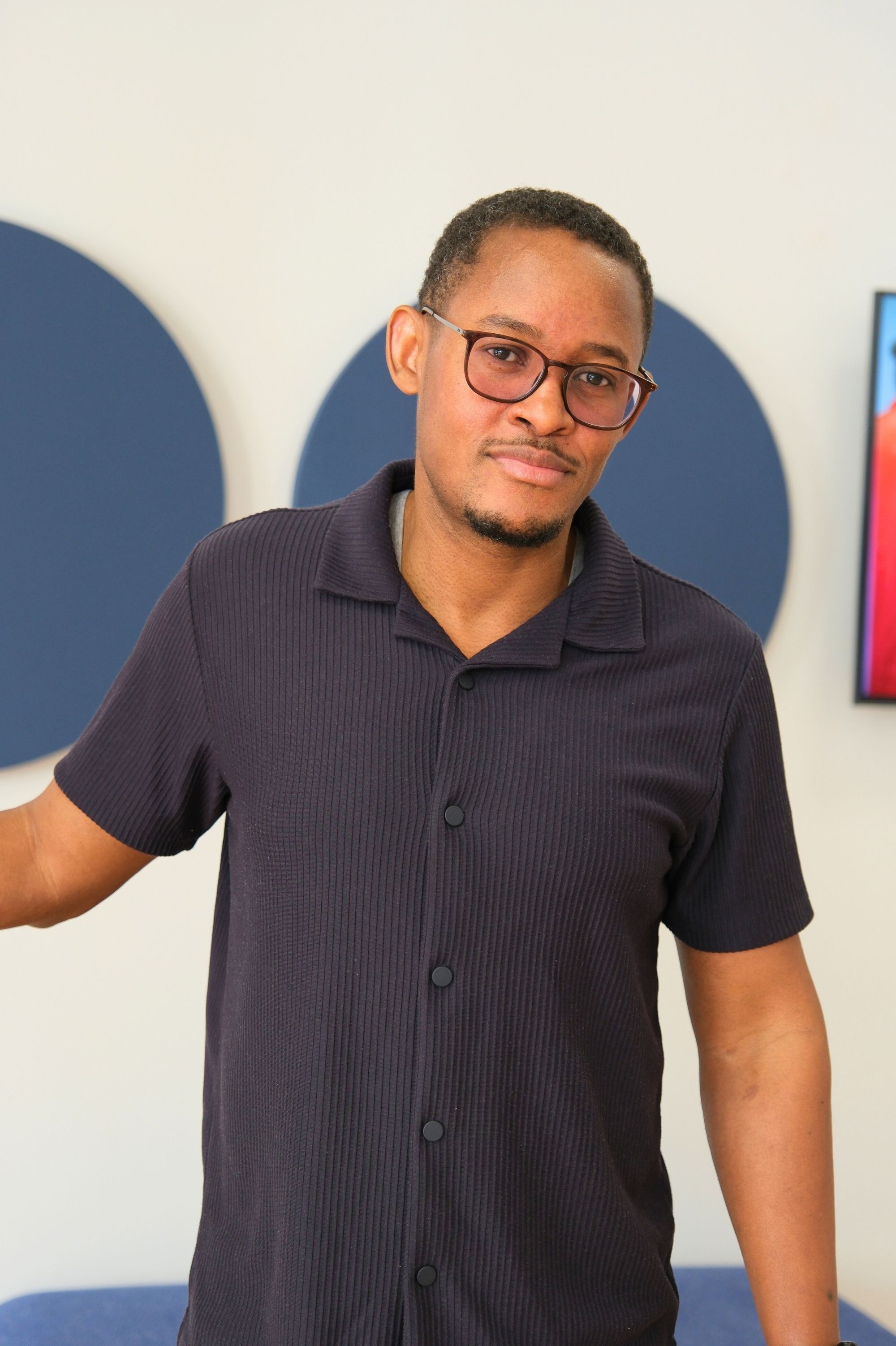
"Access to clean air should be treated as essential public health infrastructure, not a privilege —particularly in rapidly urbanising cities like Nairobi where air pollution levels often exceed WHO standards. Through this research, I hope to contribute to sustainable, evidence-based interventions that improve air quality related outcomes and make a real difference in people’s lives."
For Mwalyo Ndulu, architecture has always been about more than just buildings, it’s about the experiences of people who live, work, and heal within them. Now pursuing a PhD, Ndulu is combining his background in architecture and building physics with a growing commitment to public health and environmental justice. His research focuses on improving indoor air quality in selected healthcare settings in Nairobi, tackling one of the city's most pressing but under-addressed health risks.
Originally from Kenya, Ndulu brings to his PhD a wealth of academic and professional experience. He holds a Bachelor of Architecture degree from Jomo Kenyatta University of Agriculture and Technology and a Master of Science in Renewable Energy and Architecture from the University of Nottingham, where he studied as a Chevening Scholar. His career has included leading public and private sector design projects, teaching at universities in Kenya, and collaborating with organisations like UN-Habitat to develop sustainable built environment solutions across sub-Saharan Africa.
Better indoor air quality environments
Ndulu’s research aims to evidence the impact of interventions that improve indoor air quality in healthcare environments—spaces where vulnerable populations seek care and healthcare workers spend extended hours. To do this, he will gather baseline air quality data, survey and interview healthcare staff, then co-develop and implement interventions to assess their impact.
"I’m evaluating how different interventions, guided by behavioural science methods (the COM-B model) and engineering approaches (using high efficiency air filtration units) impact indoor air quality outcomes," he explains. "If proven effective, these interventions could be scaled up in Kenya and beyond to create better living spaces in sub-Saharan Africa."
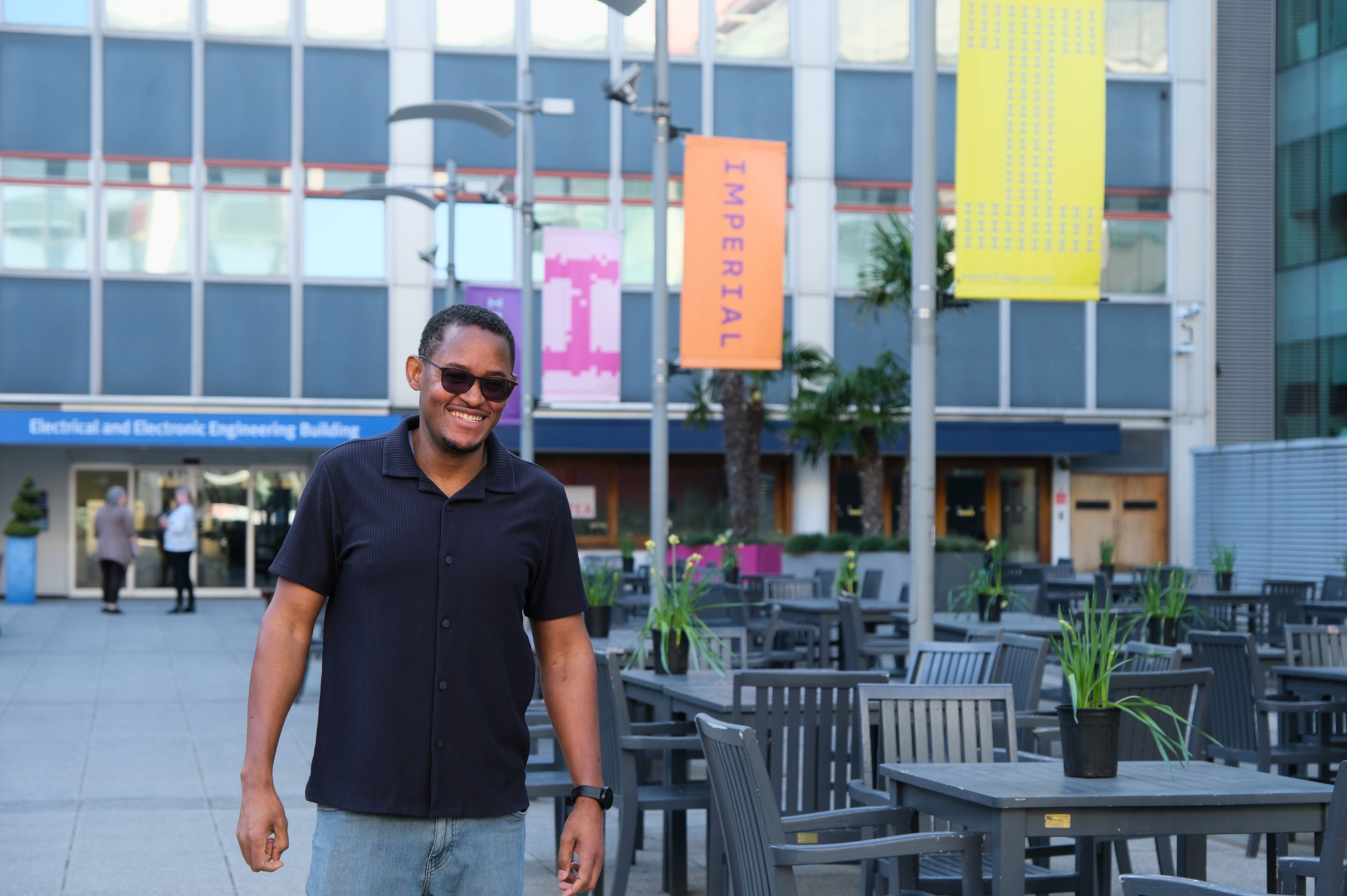 His research is both rigorous and deeply rooted in lived and career experience. With a background in academia and an interest in how indoor air quality shapes architectural experiences, his research deepens both his practical knowledge and research skills. As a design-oriented individual, he’s excited to contribute by generating new knowledge and improving well-being through better indoor spaces. He is motivated by the principle that besides shelter, buildings should support the health and well-being of their occupants. "As Florence Nightingale said, ‘The very first requirement in a hospital is that it should do the sick no harm.’ That principle underpins my work - ensuring that the very spaces designed for healing don’t unintentionally compromise health."
Ndulu is supervised by Dr Henry Burridge, whose expertise in building physics coupled with work on the SAMHE (Schools’ Air Quality Monitoring for Health and Education) project strongly influenced his choice to join Imperial. “The department’s strengths in fluid mechanics and air quality research, combined with Imperial’s global reputation and location in one of the world’s most vibrant academic hubs, made it the ideal place for me,” he says.
Local solutions to global health inequities
Ndulu’s studies are supported by the Shawki Saad Scholarship, which funds PhD students from sub-Saharan Africa who are tackling challenges relevant to the region. The scholarship covers tuition and living expenses, allowing him to focus fully on his research.
If we can show impact, we can implement effective solutions to create safer, healthier spaces for patients and staff.
He hopes his work will have a lasting impact, both locally and regionally. "I want to improve indoor air quality in healthcare facilities and generate insights that can inform policy and be replicated across the region. If we can show impact, we can implement effective solutions to create safer, healthier spaces for patients and staff."
His long-term ambition is to contribute to safer and sustainable built environments as his research draws on engineering, environmental exposure, and behavioural science methods to create interdisciplinary solutions that are both scientifically grounded and locally appropriate.
Bridging research and policy
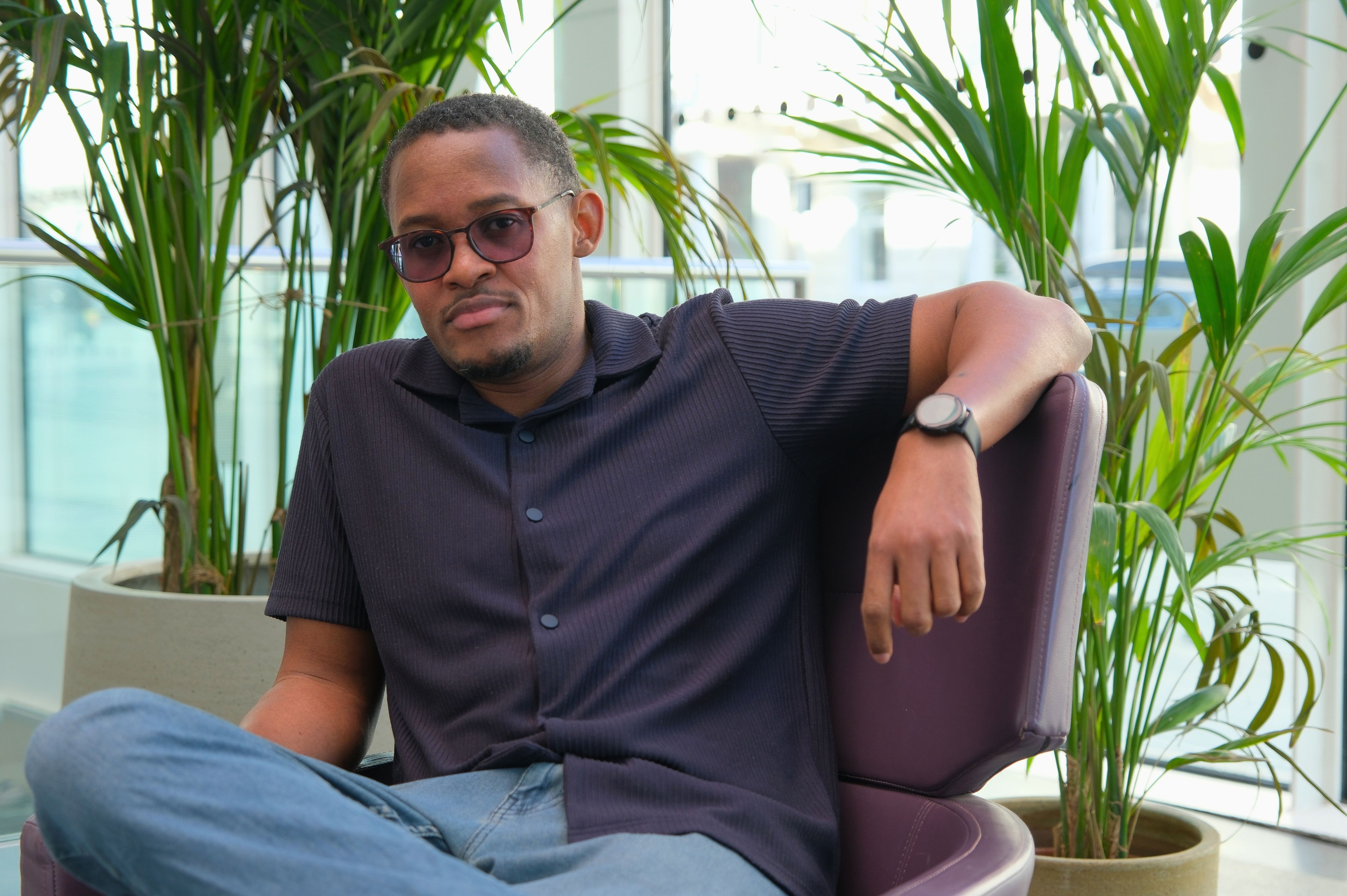
After completing his PhD, Ndulu hopes to continue working at the intersection of academia, research, and policy. He wants to translate evidence into actionable solutions that influence indoor air quality related outcomes, and support capacity-building across the region and wider world. He is also keen to learn and join new research partnerships to improve indoor air quality related outcomes.
For aspiring PhD students applying for the Shawki Saad Scholarship, Ndulu’s message is simple: "Choose a topic that genuinely excites you and that aligns with your region’s needs. Reach out to potential supervisors who share your vision. And don’t be afraid to aim high."
About Ndulu: Mwalyo Ndulu is a PhD student in Fluid Mechanics. He is a passionate fitness enthusiast, dedicated Manchester United fan, and budding guitarist.
About the Scholarship: The Shawki Saad Scholarship supports talented PhD students from Sub-Saharan Africa to undertake research in the Department of Civil and Environmental Engineering. Visit the Imperial scholarships search tool to find out about other scholarships we have available.


