Using Big Heterodox Data to Improve Equity in Urban Mobility
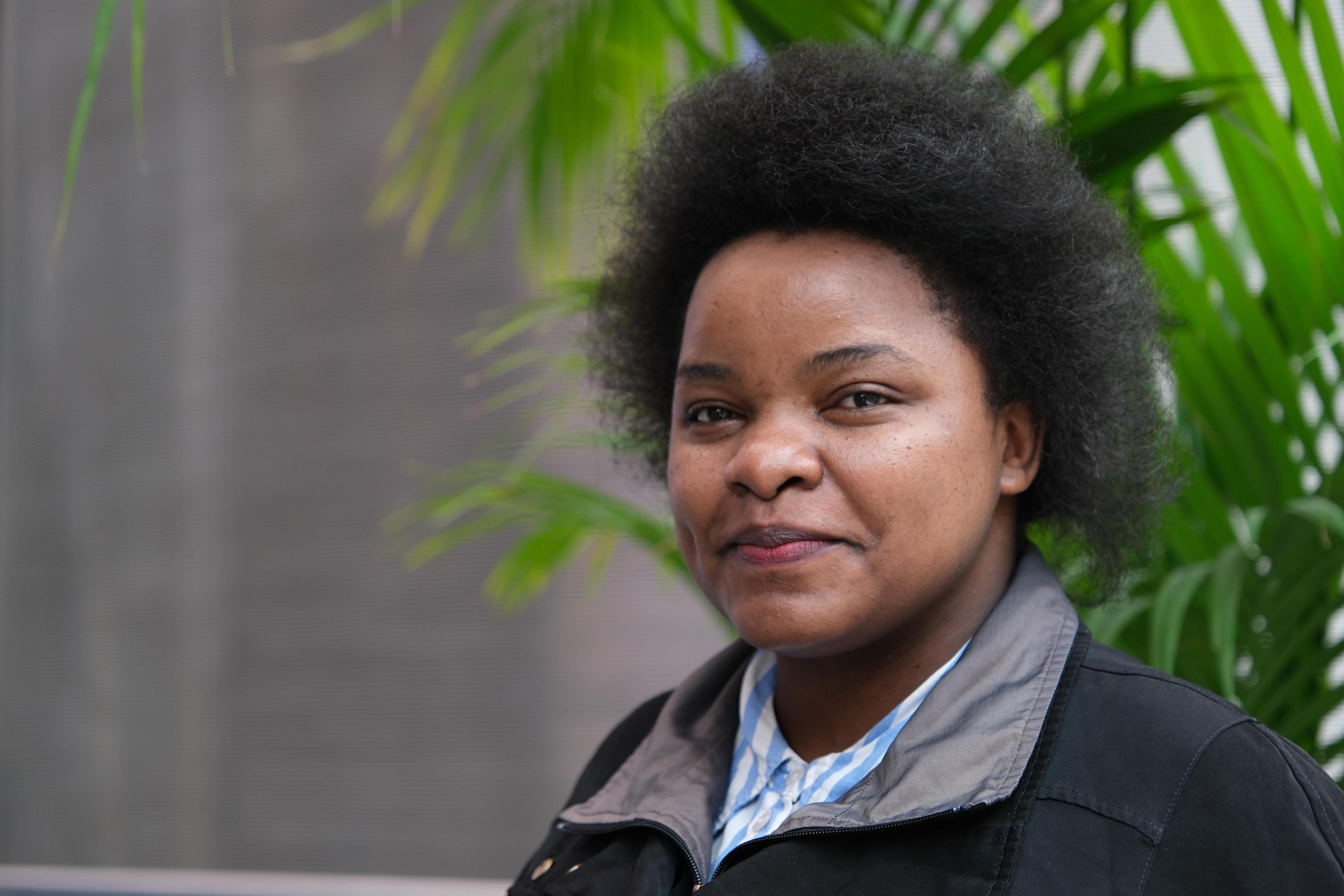
Stellah Namulindwa is a PhD candidate in Transport.
29 October 2025
" I see civil engineering not just as a technical field, but as a noble profession dedicated to the highest public good to and for all. "
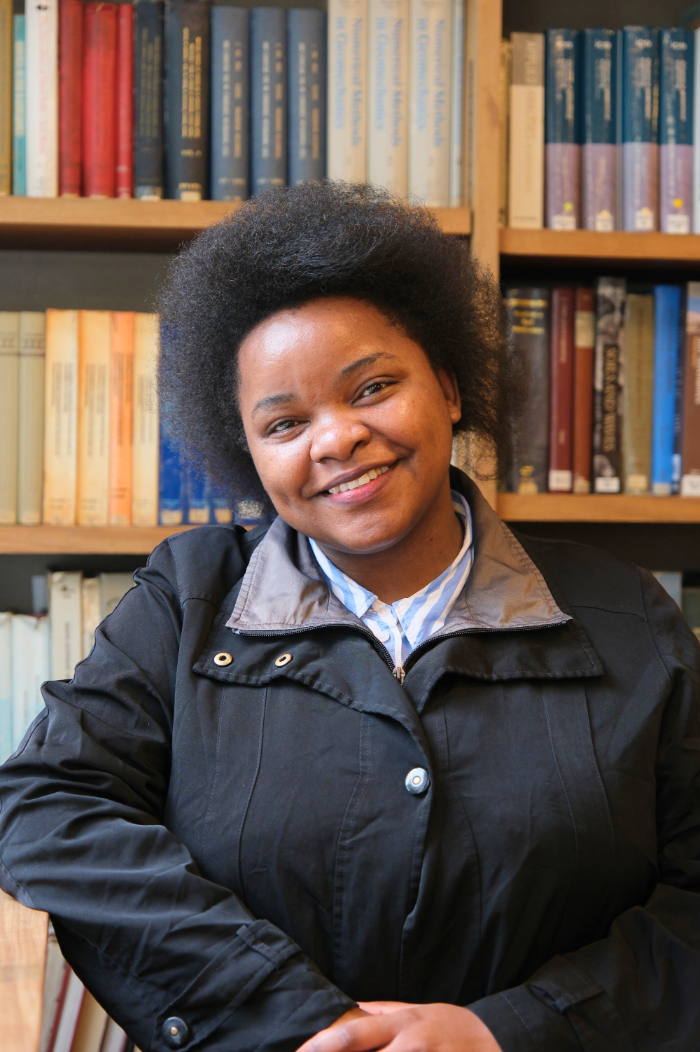 Stellah Namulindwa is a PhD candidate in Transport Systems Modelling whose work explores how public transport in rapidly growing cities can become more equitable and inclusive. Originally from Uganda, she began her academic journey studying Civil and Environmental Engineering at Makerere University before completing a Master of Engineering in Traffic Information Engineering at Kyoto University in Japan. Her motivation to pursue a PhD is shaped both by her technical interests and by her belief in engineering as a tool for fairness and social progress.
"I see civil engineering not just as a technical field, but as a noble profession dedicated to the highest public good to and for all."
That belief is also tied to her identity. As a Black woman in engineering, she sees research as part of a continuum shaped by generations who opened pathways before her. "I stand on the shoulders of great women whose work has made it possible for me to be here," she reflects, and this sense of inheritance fuels her commitment to widening access within the systems she studies.
Researching equity in transport systems

Stellah’s research examines how different groups of passengers experience mobility across medium to dense cities, particularly in regions where transport planning has historically relied on limited or incomplete data. Many Sub-Saharan African cities depend on informal or unscheduled transport networks, yet these are often invisible in conventional planning models. Her work helps to correct this by using what she calls big heterodox data: varied, real-world mobility information drawn from non-traditional sources that captures how people actually travel, rather than how planners assume they do.
"Of particular interest to my research is the unprecedented opportunity to harness and utilise big heterodox data to develop a comprehensive picture of how public transport systems function contextually."
This approach allows her to identify where equity gaps exist in access and performance, and to support policymakers in designing transport that is inclusive as well as efficient. Since joining Imperial, she has strengthened her analytical and modelling skills and developed new ways of framing complex transport problems in data scarce environments. Earlier this year she was invited by His Majesty's Government to join the Commonwealth research group participating in the 80th VE Day commemorations at Westminster Abbey, which reinforced the importance of visibility and representation in research.
Belonging, visibility and legacy
For Stellah, being a Black researcher is part of what informs her sense of responsibility in her field, but the focus of her work is firmly on transport justice and widening access to opportunity. She sees belonging not only as participation in research, but as contribution towards practical impact that advances equitable access as a global standard.
" To be a Black female researcher in my field is both empowering and deeply meaningful because our contribution is part of a much longer legacy of service to humanity and perseverance in the pursuit of knowledge. "
"To be a Black female researcher in my field is both empowering and deeply meaningful because our contribution is part of a much longer legacy of service to humanity and perseverance in the pursuit of knowledge."
Her approach to research is therefore deeply human. Improving transport is not only about movement, but about ensuring that the people who rely on these systems are no longer missing from the data that underpins decision making. By bringing previously unrecorded mobility experiences into view, her work supports more just, inclusive and future ready urban transport systems.