
BSc Biology with German for Science (C1R2)
BSc Biochemistry with German for Science (C7R2)
BSc Biotechnology with German for Science (J7R2)
Course details
- Learn about German scientific culture and history
- All courses are taught in the target language
- These courses are not appropriate for native or near-native speakers
Overview
In addition to the Biology, Biochemistry or Biotechnology elements of the programme, the Centre for Languages, Culture and Communication provides the following:
- training in the use and presentation of scientific and technical material in German in written and oral forms. This is presented in a clear and effective manner for a range of purposes and audiences
- further studies in the history, politics, science and technology of German speaking countries
- a research project and taught courses at an approved educational institution in Germany in the third year of the course
- an introduction to the theory and practice of translation, with a focus on German for science
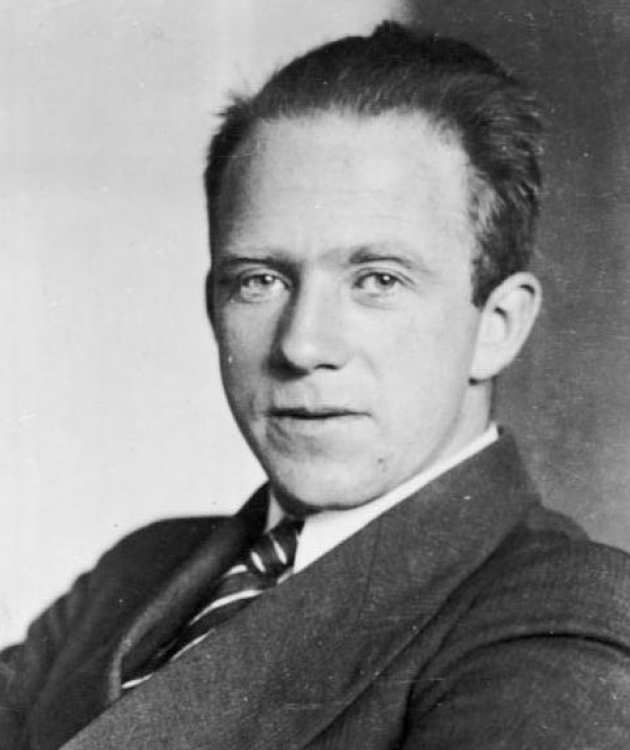
Nur wenige wissen, wie viel man wissen muss, um zu wissen, wie wenig man weiß."
Werner Heisenberg
German Theoretical Physicist 1901-1976
Course structure
- General Language course (German Level 3 or German Level 4)
A two-hour weekly language class from the Imperial Horizons Programme taught over two terms (Autumn, Spring).
- Year-in-Europe Class (German Level 3 Year-in-Europe or German Level 4 Year-in-Europe)
A one-hour weekly specialist language class to prepare you for your stay abroad, traditionally taught on Fridays at lunchtime over two terms (Autumn, Spring).
- History & Politics of Germany since 1945. A one-hour weekly lecture/seminar style course on contemporary German history and politics taught over two terms (Autumn, Spring).
- General Language course (German Level 4 or German Level 5)
A two-hour weekly language class from the Imperial Horizons Programme taught over two terms (Autumn, Spring)
- Year-in-Europe class (German Level 4 Year-in-Europe or German Level 5/6)
A one-hour weekly specialist language class to prepare you for your stay abroad, traditionally taught on Fridays at lunchtime over two terms (Autumn, Spring)
A one-hour weekly lecture/seminar style course on the history of contemporary German Science & Technology taught over two terms (Autumn, Spring)
Year Abroad
Year spent in a partner German-speaking partner institution.
During this year of study, you are required to complete an Extended Language Project. In the Autumn following your return, you will have to complete a Viva on your work .
- General Language course (German Level 5 or German Level 6). A two-hour weekly language class from the Imperial Horizons Programme that you are required to attend in the Autumn term, with the option to complete the course in the Spring term if you wish to. (Autumn or Autumn & Spring terms)
- A two-hour weekly practical translation class focusing on discipline related texts, taught in two separate hours over two terms (Autumn, Spring).
German advice
Ms Christa Saller
c.saller@imperial.ac.uk
Centre for Languages, Culture and Communication