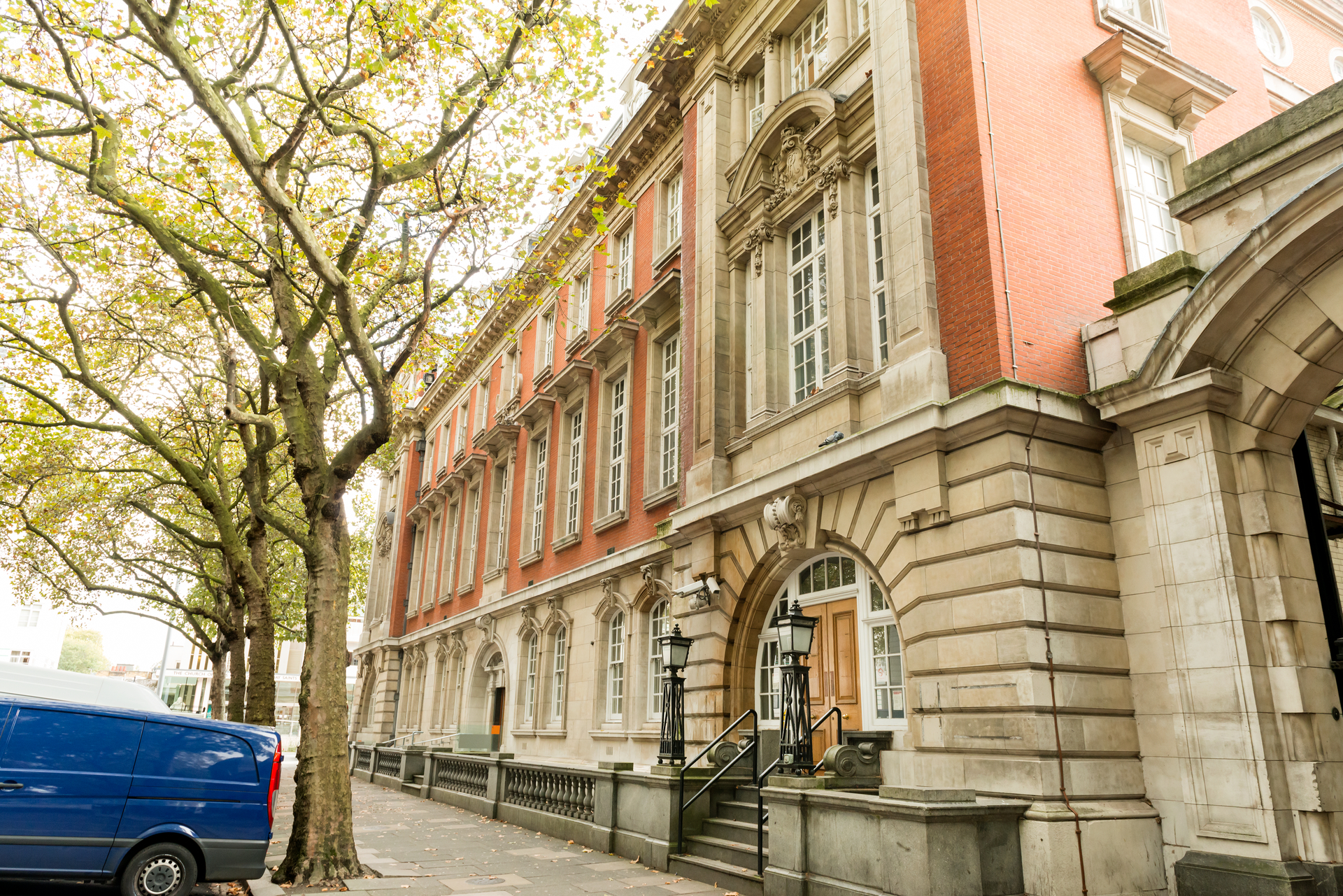
A 17% reduction in total energy usage has been achieved in the Dyson Building following targeted optimisation of the Building Management System (BMS).
The works were delivered in December 2025. Between the delivery date and February 2026, the measured reduction corresponds to 19% in heat and 7% in electricity.
During three months alone, the total energy saving achieved through the implementation of these measures has been verified to be 63,896 kWh, equivalent to the annual electricity usage of around 20 typical UK homes.
Key operational improvements included:
Radiators: Restrictions were placed on the radiators' heating demand signals. The variable temperature circuit will now only operate during normal business hours, instead of 24/7 (with the exception of controls in place for building fabric protection).
Chillers: A review was carried out on chiller demand from the tech room and cafe areas of the building. It was noted that less energy intensive measures such as using a standalone AC unit and reassigning the master demand signal to a different unit could meet the cooling demand just as effectively but in a more efficient way. These measures were subsequently implemented.
Air Handling Units (AHUs): AHUs have now been configured with a temperature control setback during out of hours periods, ensuring they are only triggered to supply heating and cooling when the temperature drop below - or rises above - certain thresholds.
The works at Dyson Building form part of a comprehensive, multi-year programme of BMS optimisation in pursuit of Imperial’s strategy to achieve carbon net zero across scopes 1 and 2 by 2040.
This work would not have been possible without collaboration between the Engineering, BMS, Energy and Maintenance teams, alongside delivery partners including SSE and Arup. Our thanks to all involved.