Radiotherapy Research Superintendent Radiographer
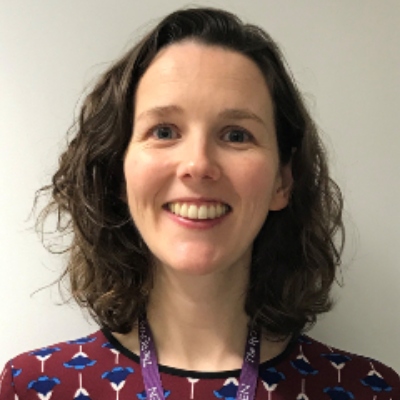 From Apprehension to Inspiration: My Experience at the NIHR Doctoral Training Camp
Walking into the NIHR Doctoral Training Camp, I must admit I was feeling anxious. Like many people, the words group interaction and role play fill me with dread. I imagined awkward icebreakers, being put on the spot, and spending three days feeling outside my comfort zone.
I couldn't have been more wrong. From the first session, it became clear that this was far more than a traditional training course. Instead, it was an immersive opportunity to develop the skills needed to become a successful clinical academic, not only conducting high quality research, but communicating it effectively, securing funding, and ensuring it has meaningful impact.
The programme brought together doctoral researchers from across health and social care. Although we were all at similar stages in our academic journeys, we came from a broad spectrum of professional backgrounds and disciplines. Hearing about the breadth of research taking place was both inspiring and eye-opening, reminding me how much we can learn from disciplines beyond our own.
The faculty were internationally recognised researchers but also generous and approachable mentors who openly shared their experiences of securing funding, developing research careers and learning from setbacks along the way. Their honesty about the realities of academia made their advice feel genuine, practical and achievable.
One of the most valuable sessions in day one focused on developing a strong research question. We were encouraged to think beyond the research we wanted to do and instead consider why the question matters, who it benefits, and how it addresses a genuine unmet need. The session highlighted the importance of considering patient benefit, inclusion and impact from the very start of a project.
We also had very helpful sessions on selling yourself and your project, and knowledge mobilisation. They challenged us to think differently about research, generating a publication is simply not enough, we need to be able to communicate our vision compellingly, build partnerships and ensure our findings reach the people who can use them. As someone beginning to think about future fellowship and grant applications, these insights felt especially relevant.
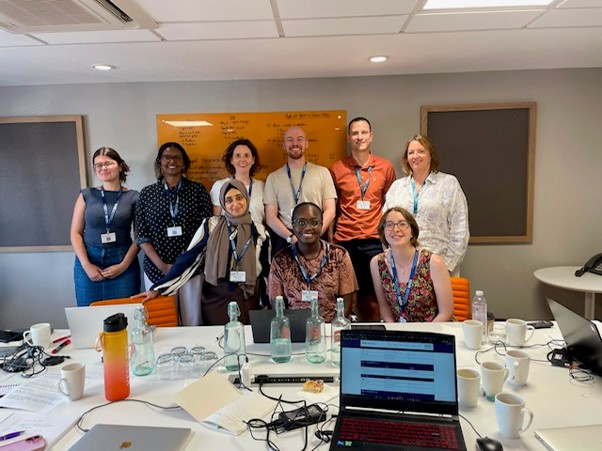
What really set the camp apart, however, was the opportunity to put day one’s learning into practice. We were placed into teams and tasked with developing a fully realised research proposal, considering research design, public involvement, dissemination and funding requirements, in less than one day! Working alongside researchers from different disciplines was one of the most rewarding parts of the experience. Everyone brought unique perspectives and expertise, and the strongest ideas emerged through collaboration. There was a strong sense of camaraderie within our team, the enthusiasm, kindness and shared desire to complete the task created an environment where everyone felt supported.
Our team was assigned a mentor and a public contributor; they challenged our assumptions and encouraged us to keep patients and communities at the centre of our thinking. Their input ensured we focused not only on academic excellence but also on real-world relevance and impact.
The conclusion of the camp was presenting our proposal to a review panel on day three. Standing in front of the panel was undoubtedly one of the most nerve-wracking moments of the camp. We had to present our proposal clearly and then respond to challenging questions from experts with extensive experience reviewing funding applications. It felt remarkably authentic and offered a valuable insight into the realities of securing research funding.
Despite the nerves, it was incredibly rewarding. What impressed me most was how well our team worked together. Rather than one person taking the lead, we built on each other's strengths and responded collaboratively to the panel's questions. The feedback we received provided lessons that I know will influence how I approach future funding applications. To top it all off, our team won, an unexpected and memorable way to end an inspiring three days.
I arrived to the NIHR Doctoral Training Camp anxiously but left with far more confidence than I expected, a clearer understanding of what it takes to develop a successful research career, and a renewed enthusiasm for pursuing future research funding opportunities.
So, a huge thank you to the Radiographers Incubator for sending me on the course. If you are fortunate enough to attend a future NIHR Doctoral Training Camp, my advice would be simple: embrace every opportunity. The activities that seem most daunting often become the most rewarding. Step outside your comfort zone, ask questions, learn from the faculty and your fellow delegates, and make the most of every conversation.
Useful links
Contact us
The CATO Team and Radiographers Incubator work on a Hybrid model, combining days in the office with days working from home – the best way to reach us is by email.
cato@imperial.ac.uk
radresearch@imperial.ac.uk
+44 (0)20 3313 7397
