.jpg)
Inspiring the scientists of tomorrow
2026
In 2026, the National Heart and Lung Institute at Imperial are offering our 6th Annual Science in Medicine School Teams Prize to engage sixth form school students with science in medicine.
This year, we are pleased to offer the following 5 prizes:
The contests
- The British Heart Foundation Cardiovascular Prize
- The Cancer Research UK Convergence Science Centre Contest
- The Global Health Prize
- The Lung Prize
- The South London Partnership Mental Health Contest
Artificial Intelligence (AI) is increasingly being adopted to advance healthcare. Your challenge is to pitch an innovation that uses AI to support the prevention, diagnosis and/or treatment of cardiovascular disease. Teams can focus on a specific cardiovascular pathology or on cardiovascular diseases more generally.
This prize is supported by the British Heart Foundation’s Centre of Research Excellence and the Cardiovascular Theme of the Imperial NIHR Biomedical Research Centre at Imperial.
Cancer Care for Everyone. Cancer affects millions of people, but not everyone experiences cancer or cancer care in the same way. Biological differences (genetics, hormones, age, sex, immune function), combined with environmental and social factors (location, language, disability, culture, and access to resources) influence cancer risk, progression, and outcomes.
The challenge is to design an innovative idea that addresses a higher risk population or an inequality in cancer care, using biological understanding to improve access to accurate scientific information, prevention, understanding, monitoring, or support. Teams may choose to design ideas for specific audiences or communities.
You are not being asked to design a new cancer treatment or cure. Instead, we are looking for creative, science-informed ideas that improve how cancer and cancer care is understood, accessed, or experienced.
This prize is supported by The Cancer Research UK Convergence Science Centre.
Promoting a healthy body weight. Deviations from an ideal body weight contribute significantly to ill-health. On one hand, undernutrition and low body weight can impair childhood growth and weaken immune defences, increasing vulnerability to infectious diseases. On the other hand, overnutrition and excess body weight predispose to type II diabetes, cardiovascular disease, arthritis and several cancers.
You may choose to focus on undernutrition, overnutrition or both. Your challenge is to (1) clearly describe the background and the drivers of the problem, and (2) design a practical and innovative approach to reduce the health impact. You can consider a solution that could be implemented in the UK, in a low/middle income country or globally.
This prize is supported by the Imperial School of Public Health.
Protecting and improving lung health is essential to ensuring long-term well‑being, as respiratory diseases remain a leading cause of global illness, disability, and premature death. Submissions may address any aspect of novel prevention or treatment of respiratory diseases or explore non‑pharmaceutical approaches aimed at improving the quality of life and well‑being of people living with chronic lung disease. All submissions should also consider appropriate methods for evaluating the effectiveness and impact of the proposed intervention.
This prize is supported by the National Heart and Lung Institute and the Respiratory Theme of the Imperial NIHR Biomedical Research Centre.
The overall mental wellbeing of children and young people has declined since the COVID-19 pandemic, with rates of probable mental disorder rising from 11.6% (one in nine children) in 2017 to 17.4% (one in six children) in 2021 among 6 to 16-year-olds. This prize focuses on how innovative solutions can support children and young people to build resilience and manage their mental wellbeing.
The task is to develop a science- and technology-based idea that can offer advice, support and guidance to promotes positive mental health. This might include areas such as self-care, physical health, creative outlets or encouraging mindfulness. It could for example take the form of an app or a game but other ideas will be welcomed. You can focus on primary or secondary school age children, and should consider how your solution could be made accessible to children from more disadvantaged backgrounds or with hidden disabilities. Your submission should also outline how the innovation could be evaluated to demonstrate its effectiveness.
This prize is supported by the South London Mental Health and Community Partnership.
The aims are to encourage students to:
- stretch beyond the school curriculum, think outside the bubble of traditional biomedical fields, and learn about the excitement of research.
- consider how trends in science and engineering will impact on health and medicine in the future.
- understand the importance of a multidisciplinary approach and teamwork to effective research and development for improvements in public and individual health.
- forward think realistically by realising the importance of affordability, availability and acceptability in translating inventions towards a reduction in inequality-related poor health outcomes.
- appreciate the importance of effective communication in rolling out scientific developments, via the use of art and design.
The Rules
-
Any educational organisation in the UK with sixth form students may participate and collaborations within the UK or between a UK organisation and an equivalent organisation outside the UK are welcome and encouraged.
-
Schools can have one team and can be part of one collaborating team in each contest and may need to conduct an internal selection process.
-
Each team should have no more than six members and should be made up of participants with varied interests to demonstrate a multidisciplinary approach. Examples of possible scientific interests include biology, chemistry, physics, engineering, maths, computing, data science, social science, and economics. Judges will be looking particularly for communication skills and a team member(s) with art and/or design interests is recommended.
-
For collaborations, a team might have three members at one UK school and three members at another UK school, or three members at one UK school and three members at a school outside the UK. However, the mix is flexible, and it does not have to be three and three. In the case of a UK-Overseas collaboration, the UK based organisation must lead and will receive and distribute any prize money.
- Teams should submit an ePoster demonstrating an innovative idea(s), a striking ePoster design and original illustrations.
- Teams can choose whether to address a local, national, or global issue.
- Teams are free to choose the design of the poster but are advised to describe clearly what problem is addressed, the anticipated innovation(s) and scientific basis, and steps along the way to implementation.
- The judges will be looking for evidence that the vision considers affordability, availability, and acceptability in translating science and/or engineering towards improved health.
- Teams are advised to indicate how each member contributed to the poster so that teamwork can be scored.
- Students should be less than 19 years old at the start of the school year (September 2025).
- The design and the layout of the Poster should communicate the message clearly and concisely. The use of language should be pitched to communicate science and its application to the general public.
- A QR code can be included at the bottom right corner to lead to supplementary information, such as references, pilot results, a video or demonstration of an App.
In general, a poster with a focused narrative in a readable font is more effective than a text-heavy narrative in a small font. Therefore, in order to succeed:
- Use a clean sans-serif (Helvetica, Calibri, Source Sans, Arial)
- Keep high contrast (dark text on light background)
- Font size:
- Title:72-100 pt or more
- Headings:36-60 pt
- Body text:≥ 24 pt
- Figure legends: 18-20 pt minimum
- Axis labels, acknowledgement and references: 16-18pt
- The size of the ePoster should be suitable for a print-out size as an A0 (not larger than 84 cm (height) and 118 cm (width) should be submitted in Landscape format as a pdf file.
- The online Qualtrics submission portal is below. Please submit two versions of the posters, one with and one without identification of the educational organisation.
- Submission must be done via a teacher based in a UK School.
- The submitted version without the identification of the educational organisation will be scored by the short-listing panel.
- Judges will consider the following :
- Definition and importance of the problem
- Scientific and technological approach
- Novelty and vision
- Feasibility
- Insight into testing efficacy
- Affordability and availability
- Social acceptability
- Poster design
- Original illustrations
- Evidence of teamwork
- The top-scoring teams in each of the five contests will move on to the finals event.
- For each prize, the top scoring teams from the short-listing will be invited to present their posters at an online finals event, to be held in late September – early October.
- Short-listed teams will be asked to give a PowerPoint presentation lasting 6 minutes, which will be followed by 4 minutes of questions and answers. Judges will score the same domains as used for the short-listing.
- Prizes for each contest are; First Prize - £3000, Second Prize - £2000 and Third Prize - £1000, and are intended for supporting science-related activities in the winning schools.
- Winning teams will be offered the opportunity for online mentoring session with an academic.
- Prize-winners may be invited to submit blogs on their submissions.
- All team members will receive personal certificates of participation.
- Participation can help strengthen university or job applications and prepare for interviews.


2025 Contest Winners
- The BHF Cardiovascular Prize
- The RAIRDA Prize
- The Global Health Prize
- The Cancer Research Prize
- The Lung Prize
First Place
- The Judd School with “BHF Cardiovascular Prize"
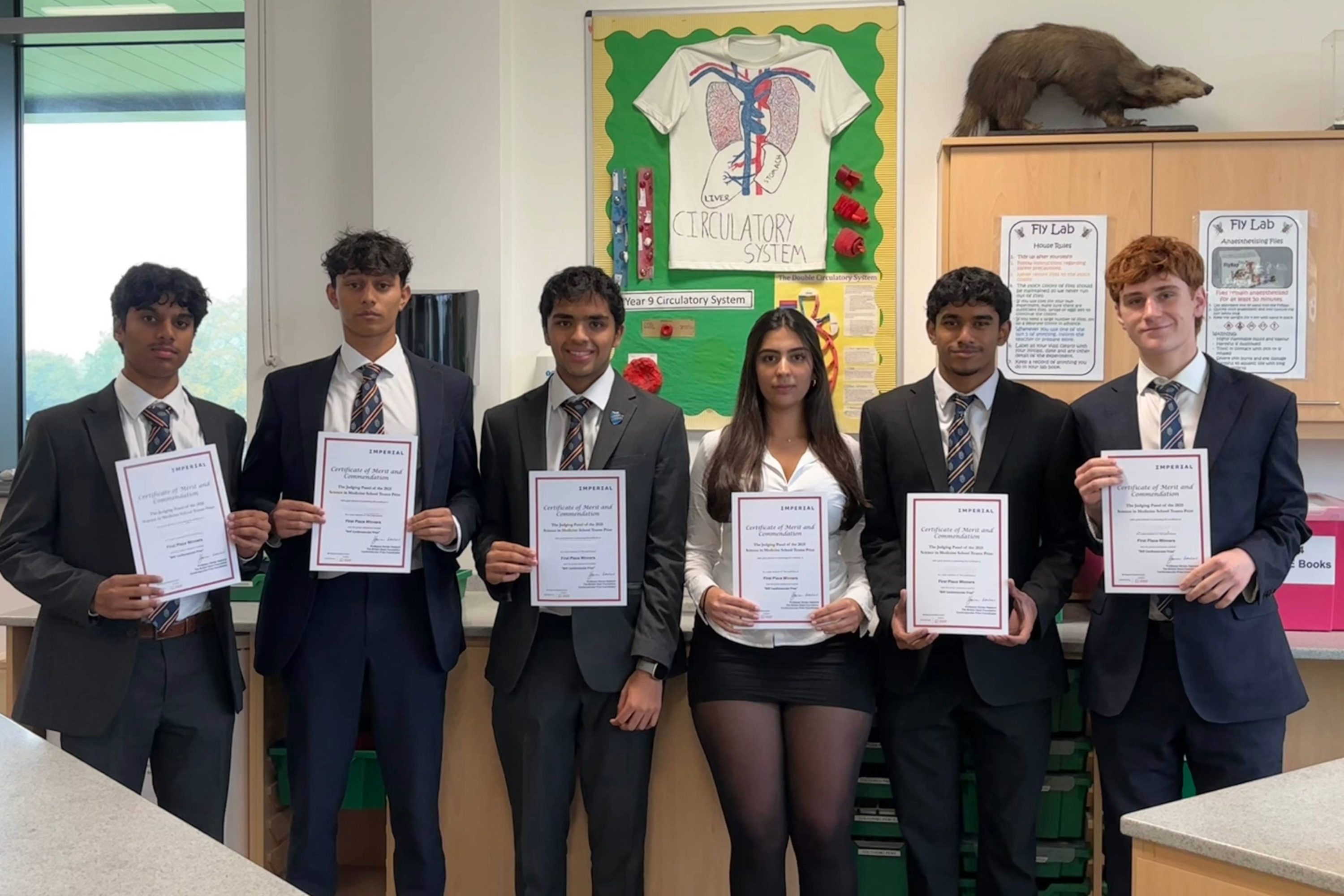
Second Place
- The Perse School with “Heart Buddy”
Joint Third Place
- Simon Langton Girls' Grammar School with “Heart Health Starts in the Highchair”
- Clyst Vale Community College with “eat2beat”
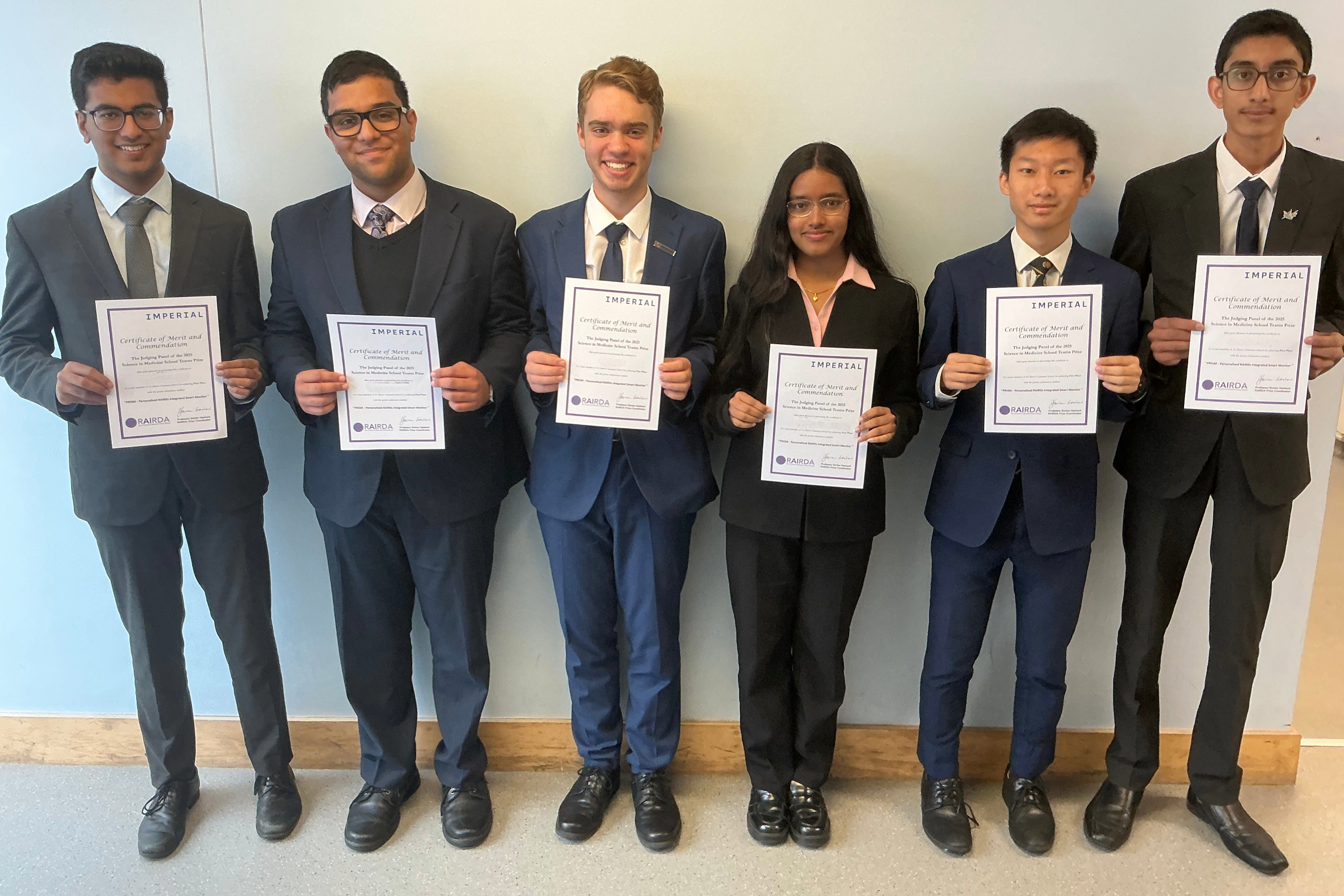
Joint First Place
- St Olave’s Grammar School with “PRISM - Personalised RAIRDs Integrated Smart Monitor"
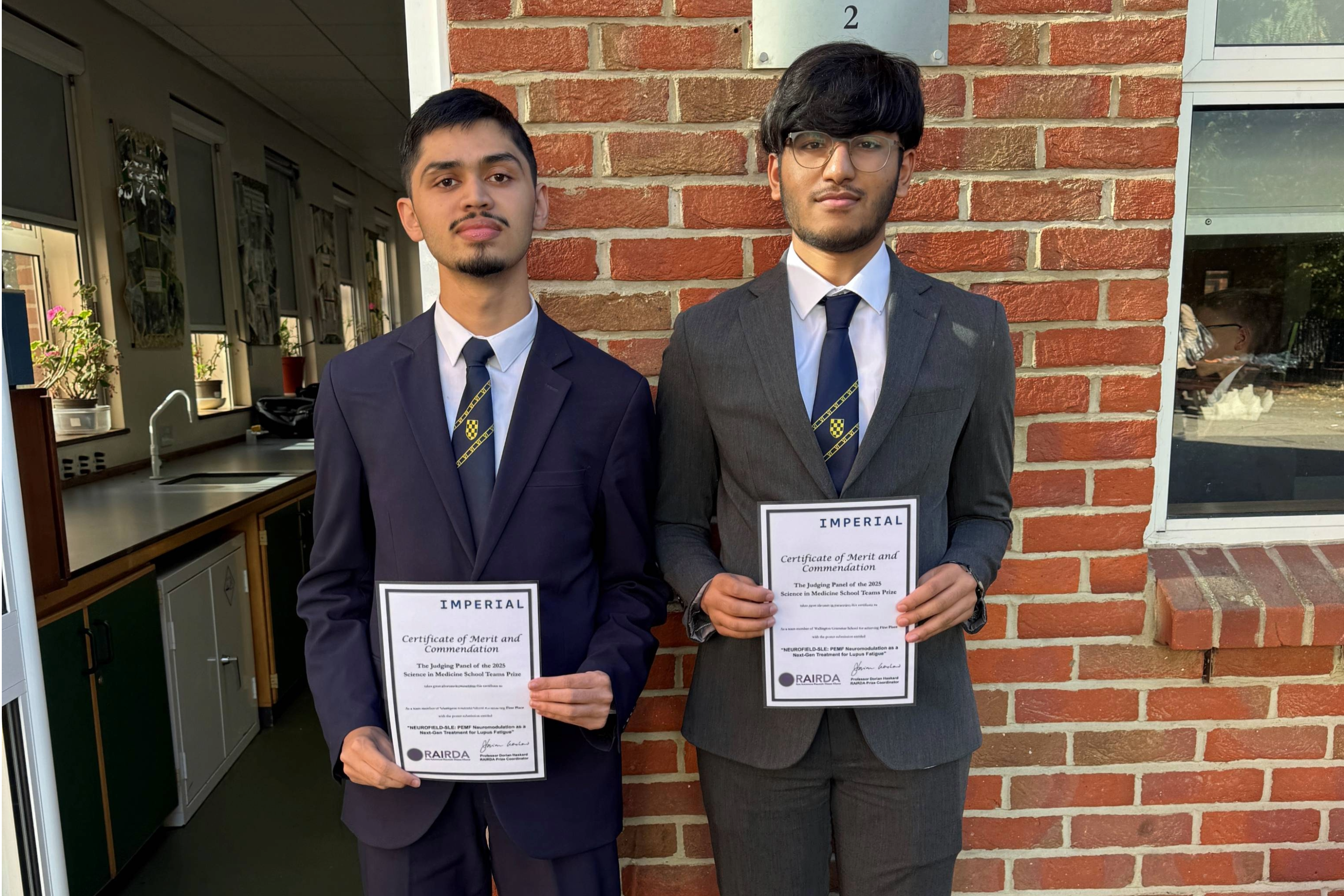
- Wallington County Grammar School with “NEUROFIELD-SLE: PEMF Neuromodulation as a Next-Gen Treatment for Lupus Fatigue”
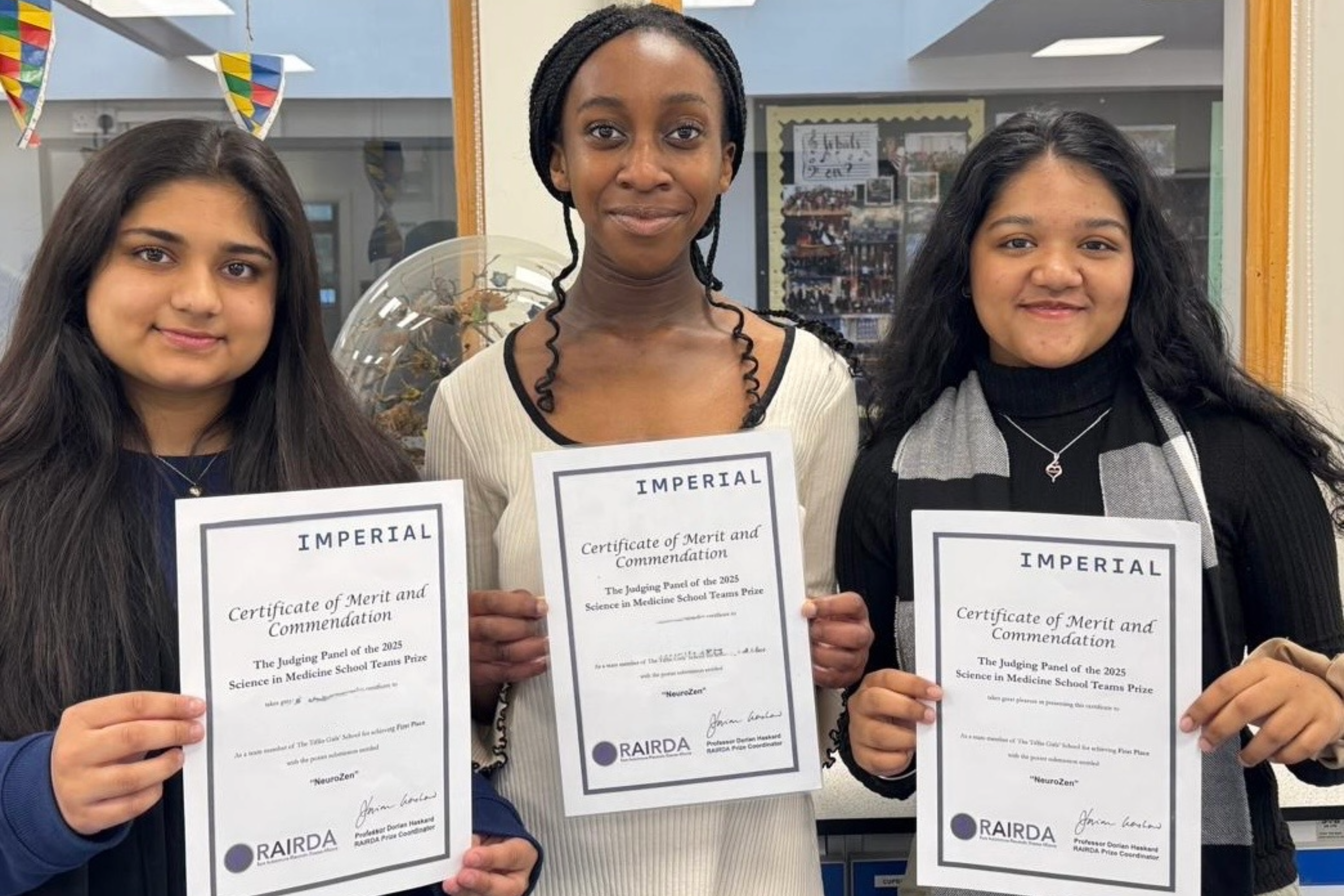
- The Tiffin Girl’s School with “NeuroZen”
Joint First Place
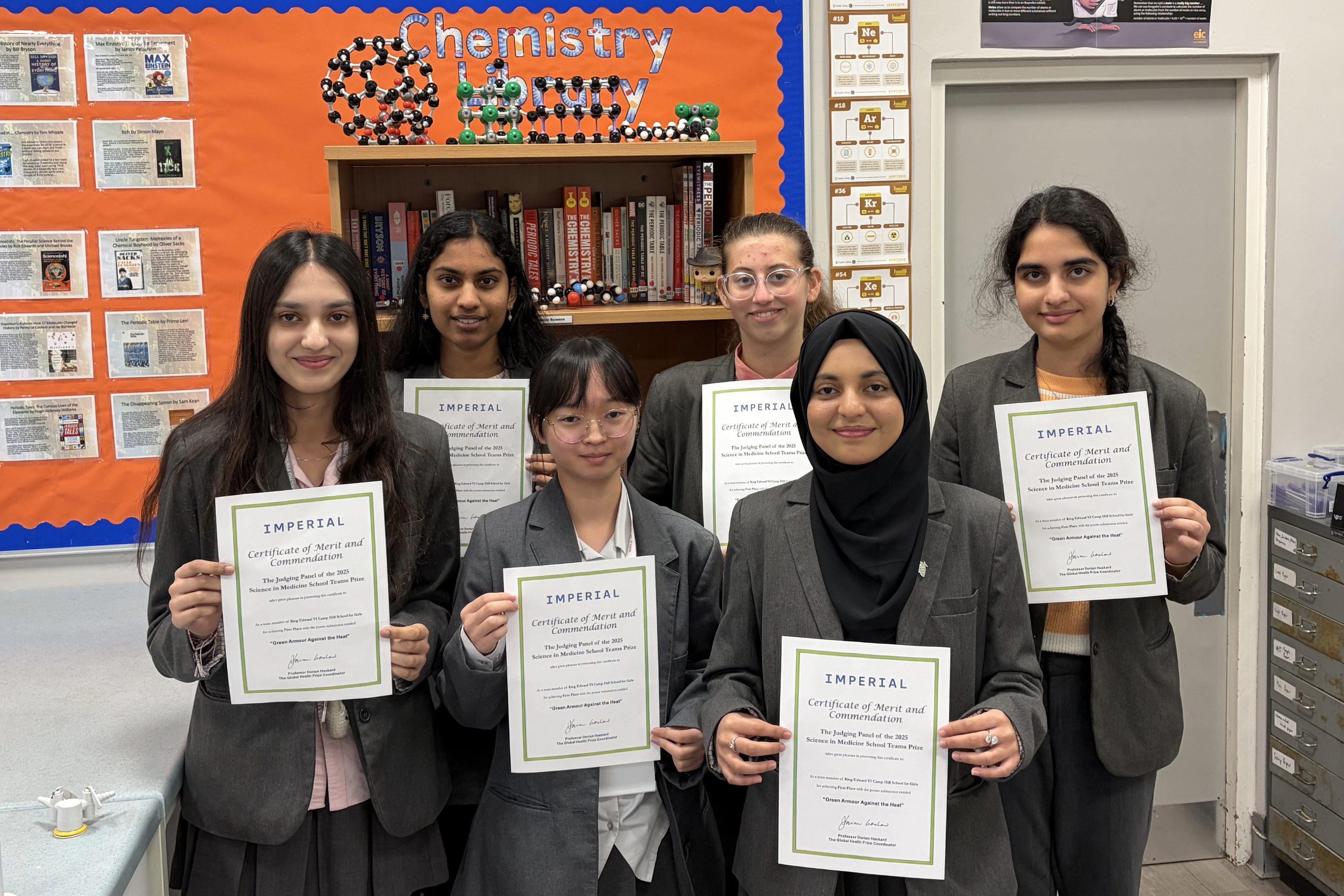
- King Edward VI Camp Hill School for Girls with “Green Armour Against the Heat”
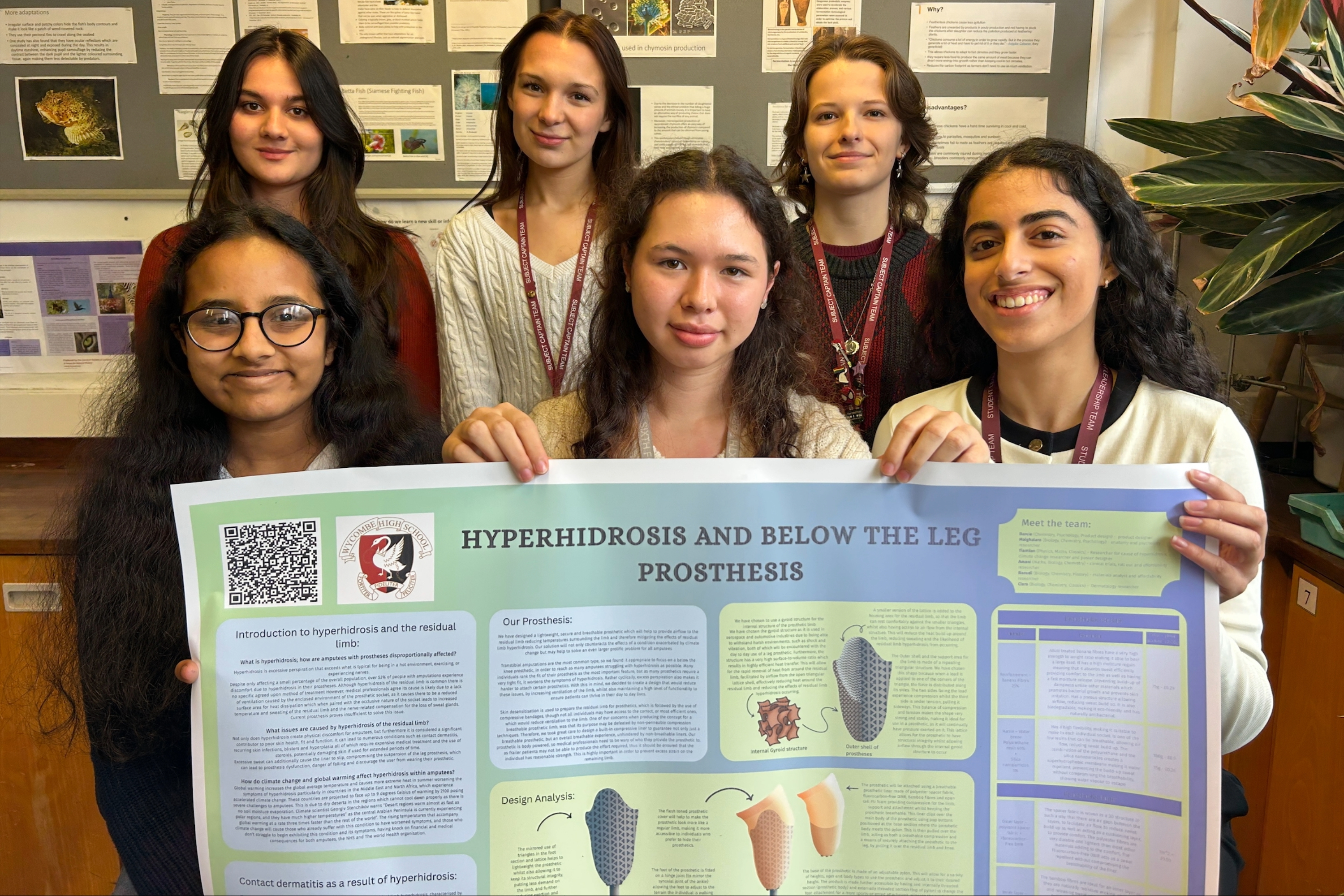
- Wycombe High School with “Hyperhidrosis and Below the Leg Prosthesis”
Second Place
- Newham Collegiate Sixth Form with “Konzo Care”
First Place
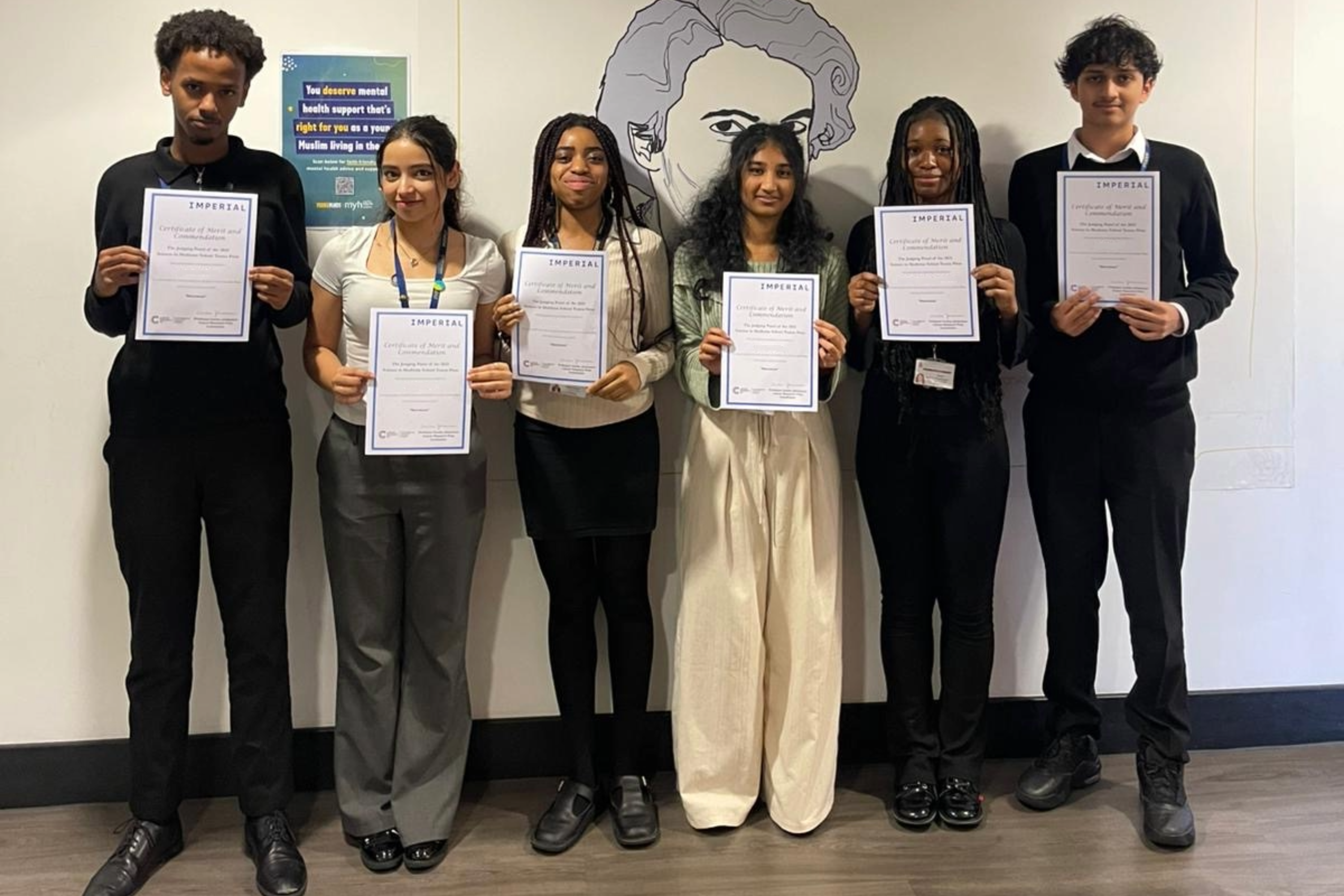
- London Academy of Excellence Stratford with “Neuroease”
Second Place
- Perse School Cambridge with “Introducing Mucoshield”
Joint Third Place
- Invicta Grammar School with “Children’s Cancer Pals”
- The Douay Martyrs Catholic Secondary School with “NeuroLens”
First Place
- Cardinal Vaughan Memorial School with "London Airgrid"
Joint Second Place
- St Mark's Catholic School with "Muclear Bacteria"
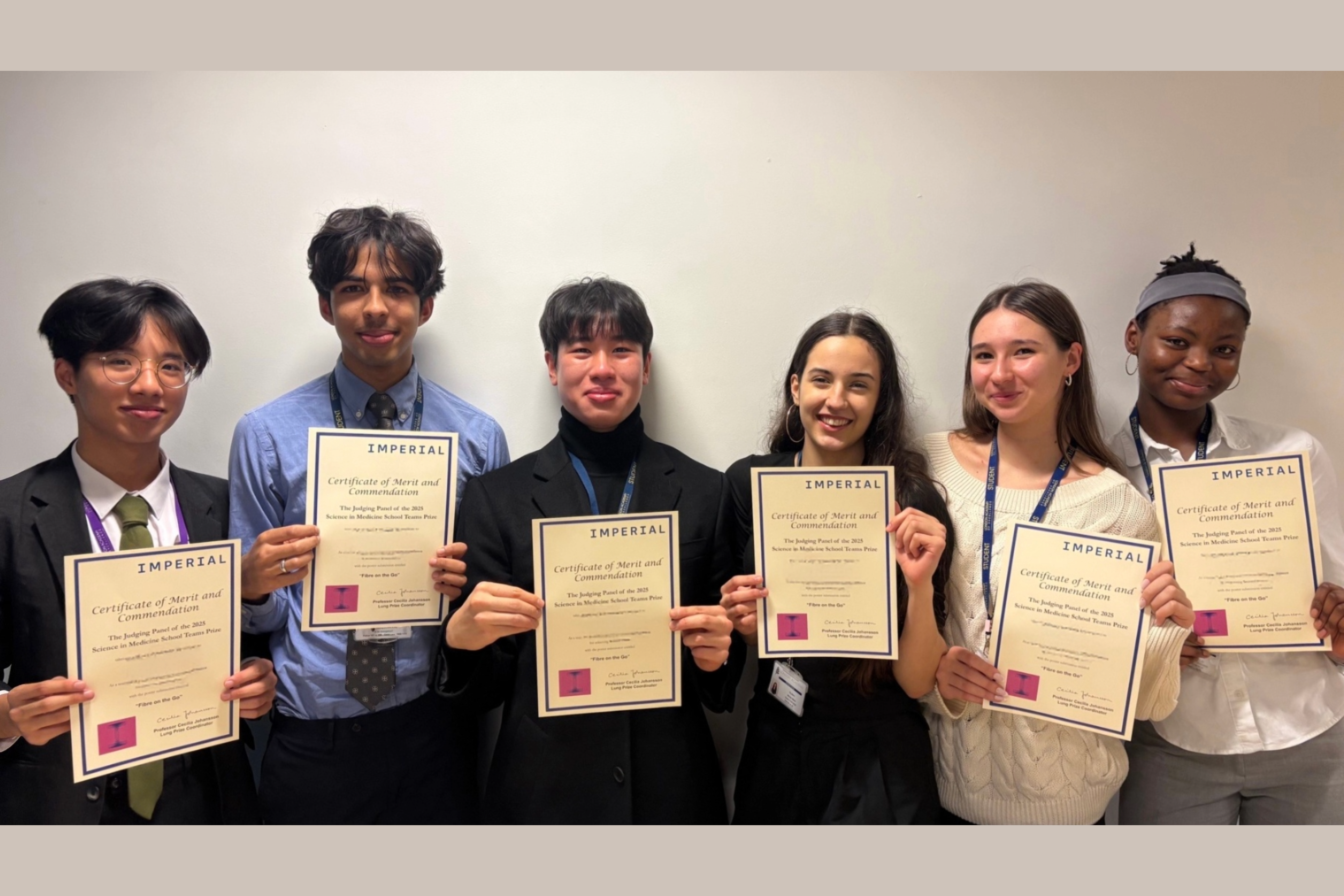
- London Academy of Excellence Stratford with "Fibro-on-the-Go"
video playlist

Webinar introducing the 2026 School Teams Prize
Webinar introducing the 2026 School Teams Prize
Five Years of the Science in Medicine Teams Prize
Professors Dorian Haskard and Cecilia Johansson, speak to previous participants of the prize.
Join Professors Dorian Haskard and Cecilia Johansson, prize coordinators for the Imperial Science in Medicine School Teams Prize, as they sit down with previous participants of the prize to reflect on five inspiring years of innovation and collaboration.
Webinar introducing the 2025 School Teams Prize
Webinar introducing the 2025 School Teams Prize
Webinar introducing the 2024 prize
Webinar introducing the 2024 School Teams Prize
Webinar introducing the 2023 prize
Webinar introducing the 2023 School Teams Prize
Webinar introducing the 2022 prize
Webinar introducing the 2022 Science at Heart and Lung School Teams Prize
Contacts
Ellen Dowell
Public Engagement Officer
e.dowell@imperial.ac.uk