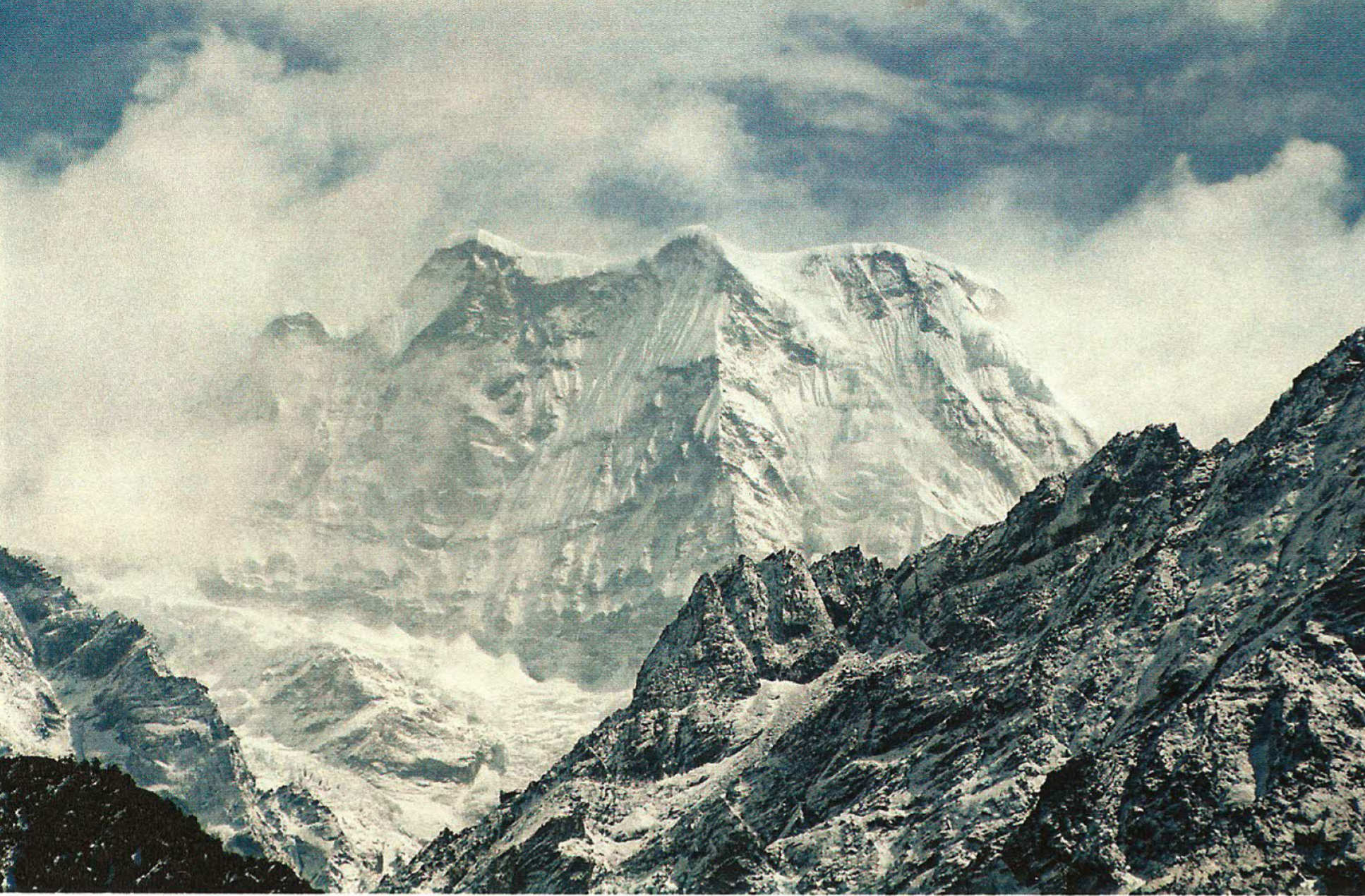
This expedition, undertaken by two medical students, formed part of the larger Medex Makalu research project. Running from March 21st to May 3rd 2003, the expedition aimed to conduct altitude‑medicine research and attempt climbs of Mera Peak (6,495m) and Ombigaichan (6,250m), while minimising environmental impact.
After assembling in Kathmandu and checking their scientific equipment, the team flew to Tumlingtar to begin the long trek toward base camp. Accompanied by Sherpa staff and porters, the group followed a demanding route through lowland valleys, terraced fields, and progressively higher Himalayan terrain. Along the way they collected physiological data for their study of Glyceryl Trinitrate (GTN) as a predictor of Acute Mountain Sickness (AMS). Early in the trek, symptoms were limited, but as altitude increased several group members experienced headaches and mild AMS, and compliance with the GTN protocol declined due to its unpleasant side effects.
Bad weather repeatedly disrupted the schedule, causing delays, heavy snowfall on high passes, and logistical complications. A key setback came when parts of the sensitive research equipment—particularly the ultrasound system—failed at base camp due to cold, power limitations, and electrical interference. As a result, only the simpler components of the study could be successfully completed. Because research progress required more days than anticipated the team reluctantly abandoned their primary mountaineering goal, Ombigaichan. However, they successfully climbed Mera Peak under excellent summit conditions, gaining valuable high‑altitude experience.