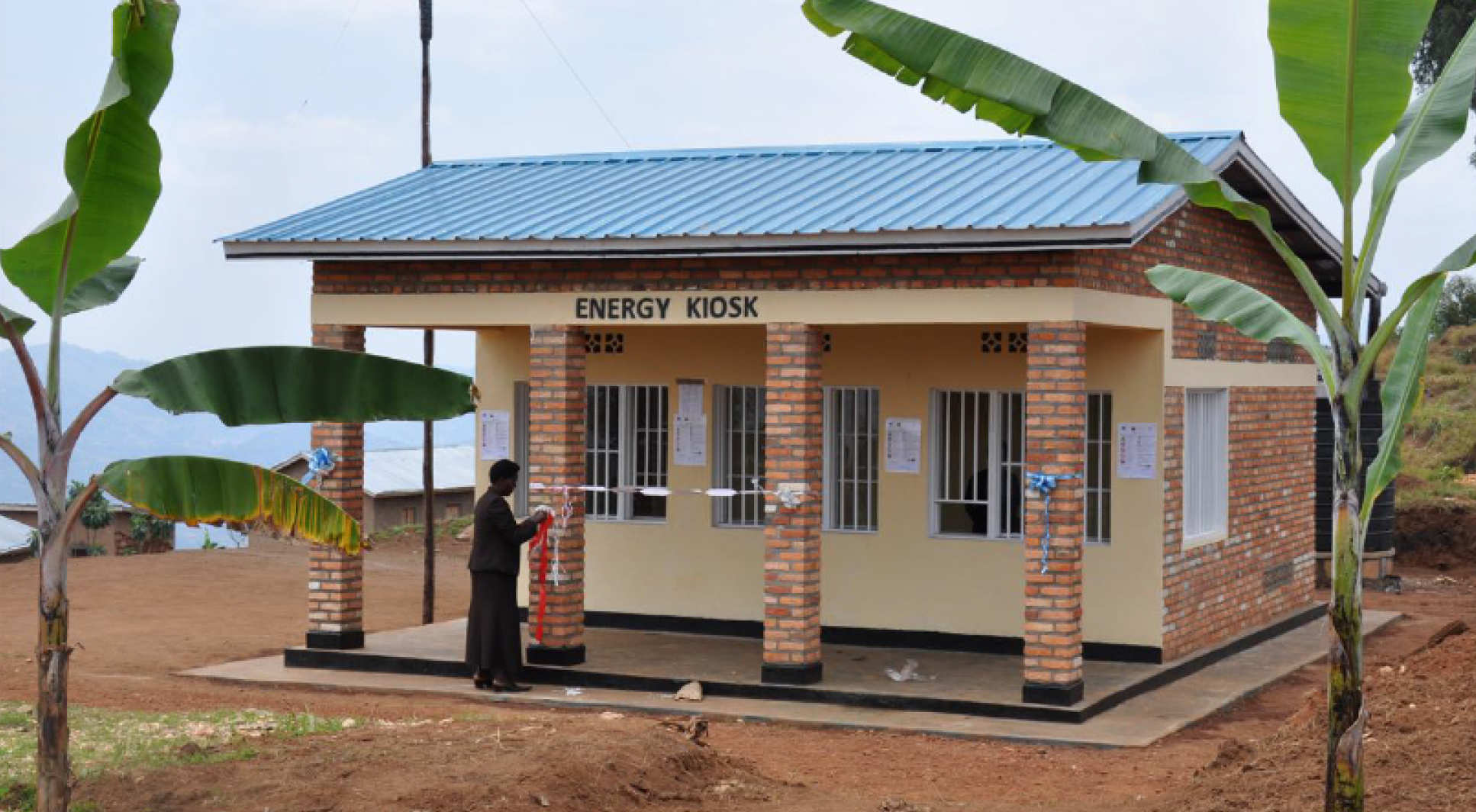
The 2009 e.quinox expedition marked the first full implementation of a the project's rural electrification solution in Africa, culminating in the installation and launch of a solar‑powered Energy Kiosk in the remote Rwandan community of Minazi (Gakenke District). e.quinox—founded at Imperial in 2008—aimed to develop sustainable, safe, and affordable energy systems for rural communities lacking access to electricity. Minazi, located at 2,300m altitude and comprising sixty households, was chosen after a January 2009 survey trip.
The system was built around 400Wp of amorphous solar panels, 70 deep‑cycle batteries, 150 LED lights, custom battery boxes with charge controllers, and a central Power Management Unit. Electricity was generated at the kiosk, where batteries are charged and rented to villagers, enabling clean lighting and phone‑charging at home—an affordable, safer alternative to kerosene lamps.
Two e.quinox teams travelled to Rwanda between late August and early October. The first team secured freight from customs, organised logistics, and began assembling battery boxes with students from the Kigali Institute of Science and Technology (KIST). The second team completed assembly, conducted technical preparations, and coordinated training, stakeholder meetings, and construction work in Minazi. Local authorities provided builders; KIST students supported translation and community engagement.
Over repeated visits to Minazi, the team installed solar panels, mounted electrical systems, furnished the kiosk, trained shopkeepers, established maintenance procedures, and negotiated micro‑financing with CLECAM, allowing villagers to purchase battery boxes via low‑interest loans. On 30 September 2009, the Energy Kiosk was officially opened.