We don't have the full report from the 1959 Guiana Expedition, but a summary is available in the 1960 Expedition Review, of which an extract is presented here:
To most people, the tropical jungles would not rank high as a summer vacation destination, yet for those who delight in nature’s extravagance, the experience is boundless. The 1959 expedition to British Guiana aimed to study the ecology and geology of this remote region while immersing in its unique environment.
The journey began in Georgetown, a picturesque city with Dutch colonial influences, vibrant trees, and flowers. After initial delays with immigration, the team traveled up the Essequibo River by tug and barge, then by lorry to Issano. From there, they ventured deeper into the jungle by motor launch, encountering wildlife such as red howler monkeys, morpho butterflies, and even a 15-foot anaconda.
The expedition faced challenges including flooded forests, insect swarms, and difficult terrain. Despite these, they explored diverse habitats: river islands, savannahs, and mountain ridges. Highlights included the Kamarau Falls—three times higher than Niagara—surrounded by lush bromeliads, and encounters with anteaters, tapirs, and exotic birds like macaws and hoatzins. The team also observed termite mounds, parasol ants, and the nocturnal life of the savannah, from vampire bats to giant spiders.
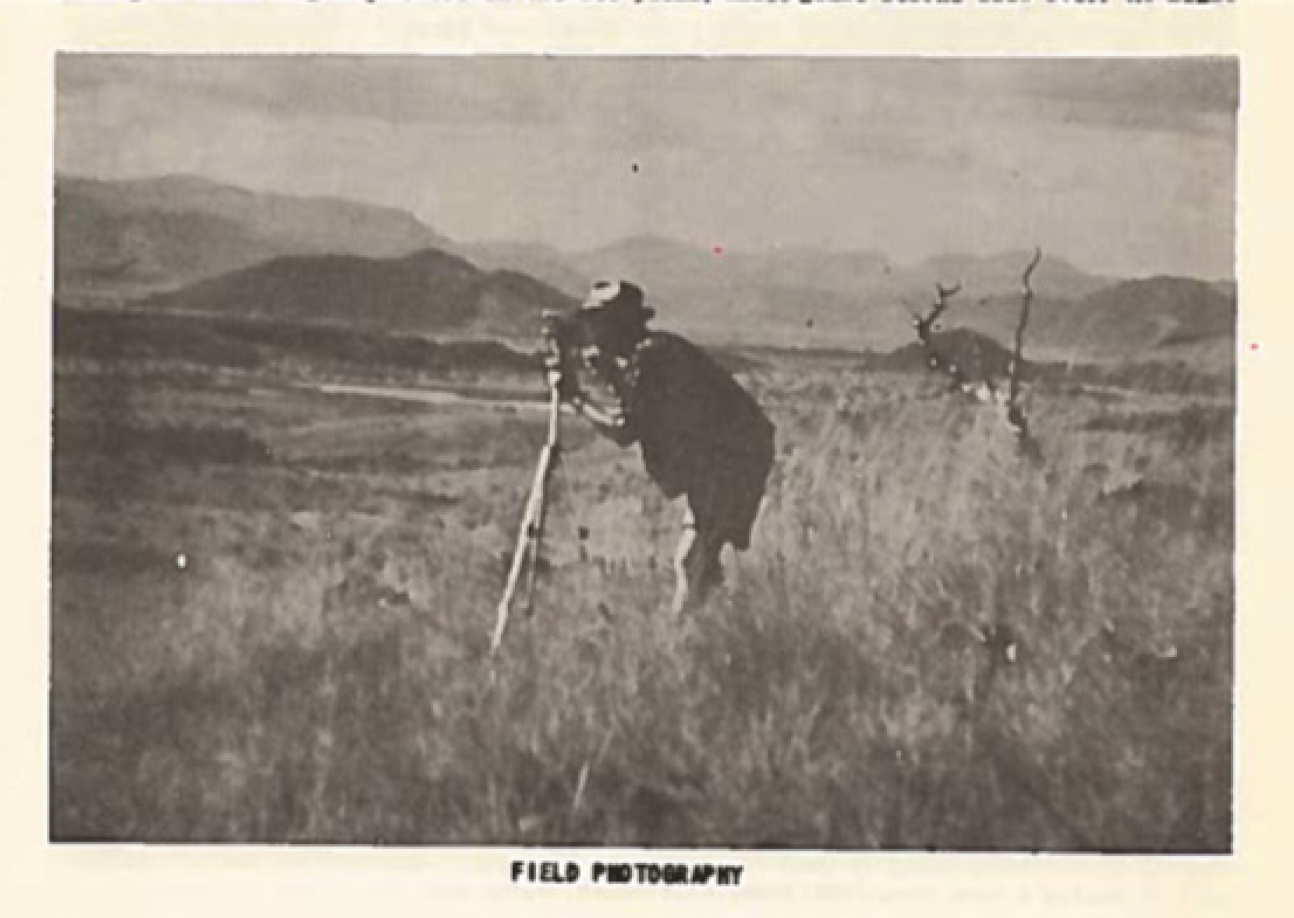
Scientific work focused on geological mapping, ecological surveys, and photographic documentation of flora and fauna. The group recorded bird species, studied insect behavior, and examined geomorphological features such as moraine belts and river systems. Despite hardships—mosquito-infested nights, bone-shaking rides, and occasional snake encounters—the expedition achieved its objectives, returning with valuable data and vivid memories.