Expedition Report
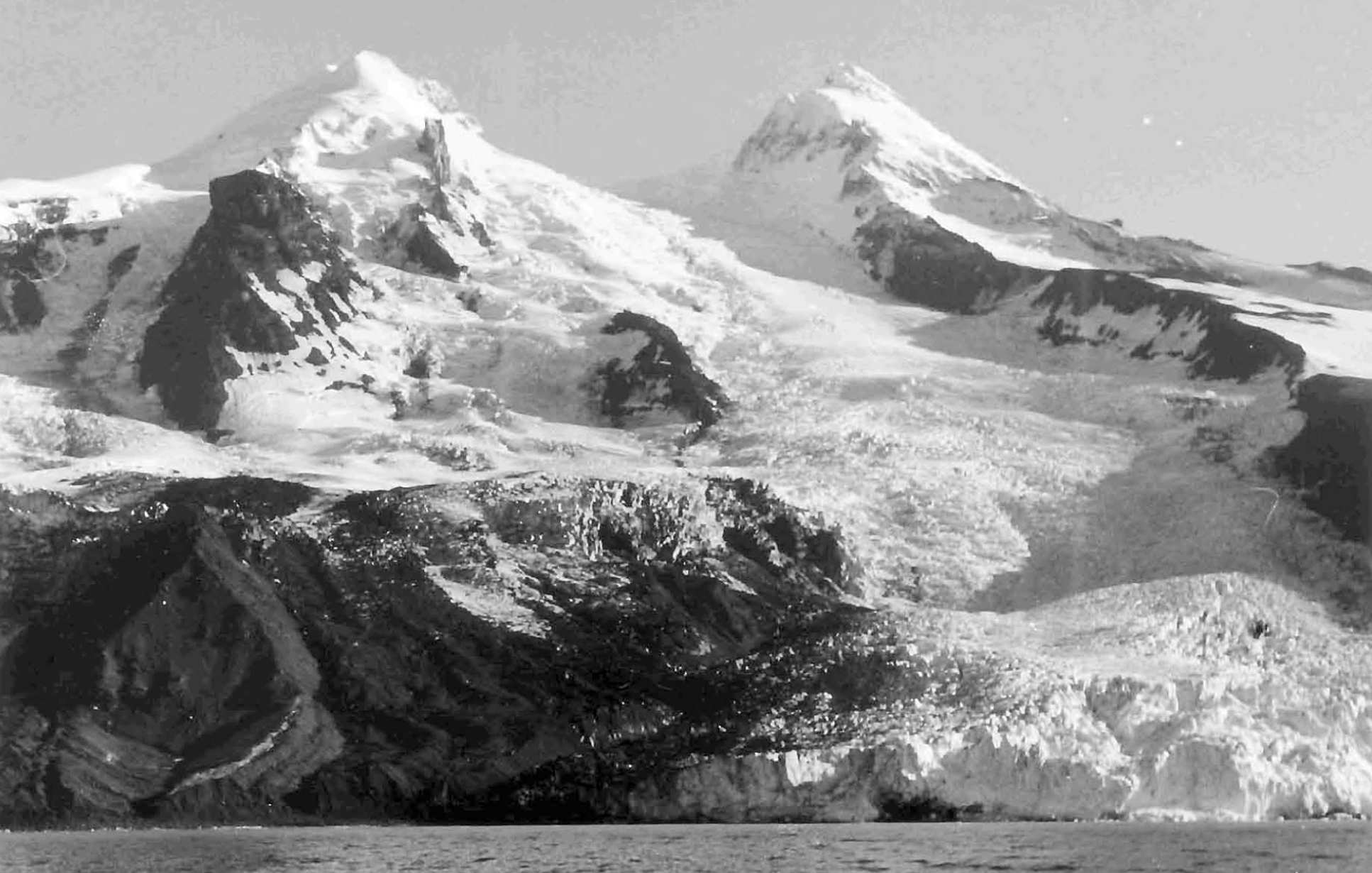
The 1959 expedition to Jan Mayen was a scientific and exploratory mission to one of the most remote islands in the Arctic Ocean. Jan Mayen, a volcanic island dominated by the 2,277-meter Beerenberg volcano, offered a unique environment for geological, glaciological, and biological research. The expedition aimed to study volcanic formations, glacial systems, and the island’s sparse but distinctive flora and fauna.
Geological investigations focused on mapping lava flows, analyzing volcanic rock samples, and documenting geothermal features such as fumaroles and hot springs. These studies provided insights into the island’s volcanic history and its role in the tectonic processes of the North Atlantic. Glaciological work centered on Beerenberg’s glaciers, measuring ice thickness, observing meltwater streams, and assessing glacial movement, contributing to knowledge of Arctic glaciation.
Biological research included surveys of plant species adapted to volcanic soils and harsh Arctic conditions, as well as studies of seabird colonies and marine life along the island’s coast. Meteorological observations were conducted throughout the expedition to record temperature, wind patterns, and precipitation, offering valuable data on the island’s climate.
Despite severe weather, isolation, and logistical challenges, the team successfully collected extensive data and specimens for analysis in London. The findings advanced understanding of volcanic and glacial systems in the Arctic and highlighted the ecological resilience of life in extreme environments. This expedition provided participants with practical experience in field research and survival under demanding conditions, fostering skills in planning, teamwork, and interdisciplinary collaboration. The 1959 Jan Mayen expedition remains a landmark in the Exploration Board’s history, paving the way for future Arctic studies.
In addition to funding provided by the Exploration Board this expedition was supported by the The Mount Everest Foundation, The Royal Society, Gino Watkins Memorial Fund, and the Royal Geographical Society.