Meet the winners of the 2025 Societal Engagement Seed Fund. We're thrilled to continue supporting a wide range of public engagement activities with this fund. Read on to discover more about each unique project.
From Neonatal to NOW: Young people, their data and their voice – led by Annemarie Lodder
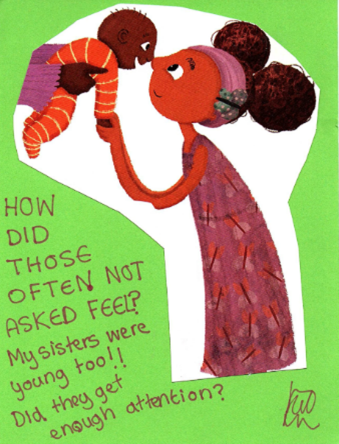 From Neonatal to NOW is a youth-led project that brought together young adults aged 17–24 with lived experience of neonatal care, either their own or through a sibling. While the voices of parents are increasingly included in neonatal research, the perspectives of former patients themselves are often missing. This project set out to change that: to explore how young people feel about neonatal health data, especially the National Neonatal Research Database (NNRD), and to understand their experiences and ideas for future research.
Through a series of workshops, the group shared thoughtful and powerful insights. One session focused on their views around data collection and use which raised important points around transparency, access, and trust. Another, more creative session gave space to explore what it means to have been born early or sick, and how that has shaped their lives.
The artwork and poetry they created has been brought together in a digital Zine, but the group’s involvement extended far beyond the workshops. They’ve taken part in journal clubs, co-authored a qualitative research paper, designed an academic poster, and are now helping to co-design an interview guide for a PhD project exploring the psychological and physical health perceptions of adults born preterm.
This project showed how important it is to involve young people with lived experience in neonatal research, not just to tick a box, but because they bring valuable insights that can shift the direction of research and challenge assumptions. It’s also highlighted the need for better communication and long-term follow-up with this community, and how creating space for their voices can be both meaningful and impactful.
Patient and public involvement in fellowship design within paediatric critical care – led by Emma Alexander
The Paediatric Intensive Care Unit (PICU) Parent Network was established in 2024. The purpose of this network was to provide training for a hub of parents with lived experience of their children being admitted to paediatric intensive care units (PICUs) and to enable these parents to be involved and engaged in all stages (including design) of research studies taking place in PICUs. The overall aim was to improve the care of seriously ill children in alignment with the priorities of the children and their parents.
 Through a range of involvement activities and seven online discussions over the course of one year, parents discussed junior staff research projects as well as larger-scale research proposals, and contributed to the prioritisation of research, research design and feedback on engagement strategies. Specifically, parents helped to improve the engagement strategy and design of a new large-scale national PICU Public and Patient Involvement and Engagement Parent Network which is being run as part of the National Institute for Health and Care Research (NIHR) Paediatric Critical Care Incubator.
The team worked hard to develop mutual benefits for all who were involved in the Network. A parent commented that they “felt that I could make a difference especially when I was telling [my] story, as when I was going through it [these] groups didn't exist.” Another said, “just being asked what matters most to families, and knowing that those views will influence how studies are designed is really empowering.” Staff who participated felt equally empowered to centre patient and public voices within their work and were inspired to conduct further public involvement activities.
The impacts of climate change and action on youth mental health – led by Daniella Watson
 The aim of this project was to co-design a research proposal with young people for the Wellcome Trust, which focused on youth-led climate action and creating a space to explore climate-related emotions. Across three workshops, ten young people contributed to shaping the research idea. Three young people then reviewed the full application, offering critical feedback that influenced key aspects, such as the project's local versus global focus.
Although the Wellcome Trust did not fund the proposal, reviewers praised its strong co-creation and relevance. The application has since been adapted for the Imperial College Research Fellowship. While no formal evaluation methods were used, ongoing relationships with young people reflect the project's lasting impact. The workshops also provided a meaningful space for emotional expression, including use of the Climate Emotion Wheel and a youth-led climate café. In the final session, young people facilitated activities like breathwork, poetry, and calls to action - demonstrating deep engagement and ownership of the process.
Enhancing lung cancer patient rehabilitation using Tech/AI – led by Shay Bahadori
This project addressed the urgent need for meaningful, early patient involvement in designing personalised care interventions for lung cancer patients, shifting the focus from passive personalisation to active co-creation. By engaging patients, clinicians, and Artificial Intelligence (AI) experts throughout the process, we ensured that care plans were informed by lived experiences, patient priorities, and clinical insights. Two patient groups, representing current and non-users of Complementary and Alternative Medicines (CAMs), participated in discussions to identify barriers, facilitators, and perceived benefits of wearable activity monitor (WAM) use, while clinicians and AI experts contributed perspectives on integration, effectiveness, and decision-making support.
 Recruitment prioritised inclusivity with a specific emphasis on socioeconomically disadvantaged, ethnically diverse, and geographically isolated patients. Key outcomes included identification of appropriate CAMs, factors affecting adoption, optimal implementation timing and the development of a toolkit to support GPs in delivering personalised, patient-centred care. The project strengthened interdisciplinary collaboration, highlighted the value of co-design, and laid the foundation for future trials and research opportunities.
Women and Waste: A participatory photography project – led by Alison Perry in collaboration with Emmanuel Abazaami
 The Women and Waste Project is a participatory community engagement project (also known as “Photovoice") that was carried out in a rural suburb of Bolgatanga, Northern Ghana. The purpose of the project was to stimulate conversation on waste and environmental issues from the perspective of women’s unique lived experiences.
Women are known to be disproportionately affected by climate change and  environmental pollution due to factors such as traditional social and economic roles. This project provided a group of volunteer women (and their babies) the opportunity to explore perspectives and insights on waste and to provoke wider public dialogue on waste-related environmental issues in the local community.
The Women and Waste Project adopted a creative and participatory approach that included two workshops outside a rural community health centre and which culminated in a public “pop-up” photography gallery at an outdoor market space. The gallery event provided participants with the opportunity to showcase their photography and engage directly with members of the public about issues related to waste in the local community.
Hidden Insights: Challenges and opportunities from perspectives of lived experience of prostate cancer – led by Tayana Soukup
Hidden Insights uncovered what patients rarely see: the role of multidisciplinary teams (MDTs) in prostate cancer care. Twelve men joined two workshops where they first explored what they knew about MDTs and then discussed how these teams and artificial intelligence (AI) decision-support tools might work better for patients. Most had never heard of MDTs, despite their decisions shaping treatment. “We were never told there was an MDT”, said one participant.
After the sessions, nearly all the public participants felt better informed. They called for clear communication, simple written materials, “a brochure with photos of who’s in the team”, and for patient views to be part of discussions. They  welcomed AI as a way to support busy teams by summarising data and standardising decisions but stressed it must be a supportive tool, not a replacement, and also called for national oversight to ensure fairness. The project was therefore successful in building an engaged patient group and highlighted the value of involving carers.
Empowering Communities: Co-designing dementia care for diverse needs – led by Pallavi Nair
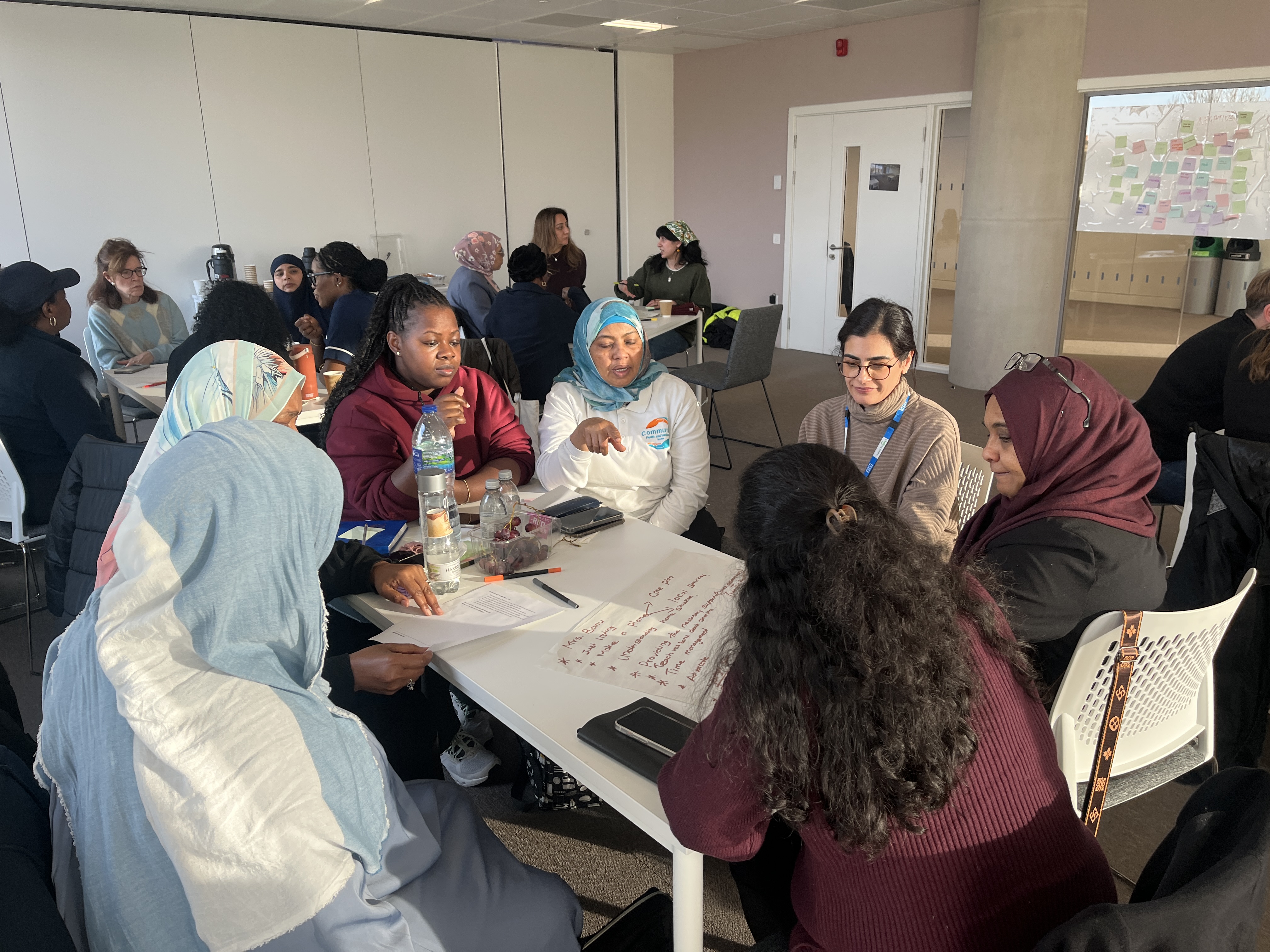 This project piloted a co-designed dementia training module for Community Health and Wellbeing Workers (CHWWs) with a focus on culturally sensitive care for multi-ethnic communities in Westminster, which has since extended to CHWWs in Harrow and Hammersmith & Fulham.
Through inclusive engagement with 17 public collaborators including individuals living with dementia, carers, healthcare professionals and faith leaders, we developed and delivered two training sessions to 35 CHWWs. The module was shaped by lived experience and clinical insight, ensuring relevance and empathy in outreach.
The initiative strengthened community partnerships, enhanced research impact, and laid the groundwork for national scale-up. Shared widely via professional networks and social media, the project has sparked interest across different supporting roles and inspired future collaborations.
Patient Voices in Action: From early detection to surgical innovation in GI cancers – led by Patrick Kierkegaard
 This project used co-produced film to translate cancer research into accessible public communication. The original project created a pancreatic cancer film, developed with a survivor, a bereaved caregiver, a GP and a clinician-scientist, to show why general practice needs support to adopt new non-invasive tests and readiness tools. The seed fund supported a follow-up cancer video developed with GIST UK, Bowel Cancer UK and four additional patient/public contributors. Across both films, the key lesson was that effective societal engagement must be flexible, supportive and genuinely participant-led. The project produced public-facing outputs, strengthened relationships with charities and contributors, developed team skills in co-production, and created a reusable model for future science-communication work across the Imperial cancer research community. Read more about the project here.