Sustainable Research Computing
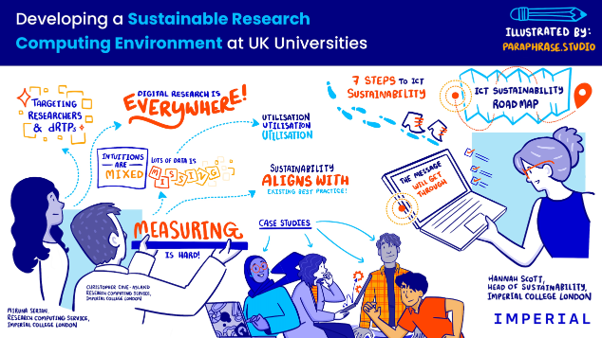
Research computing is a core element of the research lifecycle across almost all domains, presenting a responsibility to develop better understanding of the environmental impacts of modern computing infrastructures. The energy use - particularly of High Performance Computing clusters and AI hardware - can be significant, so making efficient use of the resources that are available is vital. In addition, the rapidly growing use of Large Language Models (LLMs) to assist with coding and other aspects of digital research, while offering many important opportunities, raises questions around the sustainability of our research processes more generally. This project aimed to develop approaches to encourage researchers and others to think about the sustainability of their resource usage and provide them with routes to develop their understanding.
The central aims of this project were to:
- Develop a set of green computing training materials (released under an open CC-BY licence) to enhance awareness and practices around sustainable computing use.
- Undertake pilot delivery of the training material within Imperial and update material following feedback.
- Support activities and widen awareness and participation around Green DiSC Digital Sustainability certification.
- Develop a set of accessible, engaging visual materials to support outputs and promote sustainable computing awareness and practices across Imperial.
- Support Imperial’s net zero ambitions by developing discussions around sustainable computing.
The Sustainable Research Computing initiative delivered a range of activities to achieve its objectives, while also prompting important discussions about the role of research computing and Digital Research Infrastructure (DRI) in the context of net zero goals and addressing climate change. Over the course of 2025-26, outcomes from these activities were as follows:
Digital Research Sustainability training course
A new Digital Research Sustainability training course (5 hours full duration) was created for researchers and technical staff at Imperial and beyond. This course is also intended to support Imperial and other higher education institutions in meeting requirements around training when making applications for Green DiSC certification.
We are now looking for ways to continue delivering the Digital Research Sustainability course for researchers and technical professionals at Imperial. With the course material being public and openly licensed, it is also available for others to adopt and modify to support their local institutional requirements.
The Seven Steps to ICT Sustainability
The project supported and illustrated the “7 Steps to ICT Sustainability” campaign highlighting simple, actionable approaches to sustainable everyday computing use at Imperial. This work further contributes to the goal of developing a sustainable research computing culture. The seven steps are publicly available on the Imperial website and are being included in the student induction process at Imperial.
Building a Sustainable Research Computing Culture – Community, Education and Advocacy: Our three-pillar model
A model based on three pillars of Community, Education and Advocacy was developed to underpin a sustainable research computing culture. These pillars identify different areas of supporting and embedding sustainability in the ways that we use computing as part of undertaking research. The pillars focus on sub-themes such as building collaboration and knowledge sharing, delivering training (such as our new course) and engagement with institutional leadership and key community stakeholders.
The model was presented at an international conference on sustainable research computing – the Sustainability Conference for Responsible Research Computing (SC4RC) – at CERN in Switzerland.
Building support for Green DiSC certification at Imperial
Alongside the Digital Research Sustainability training, the project developed supporting web resources and an initial version of a certification checklist and guide for teams at Imperial seeking Green DiSC accreditation. Together, the guide and accompanying website content will provide practical information and resources to support research teams in applying for Green DiSC certification.

Sustainable Research Computing Environment meeting
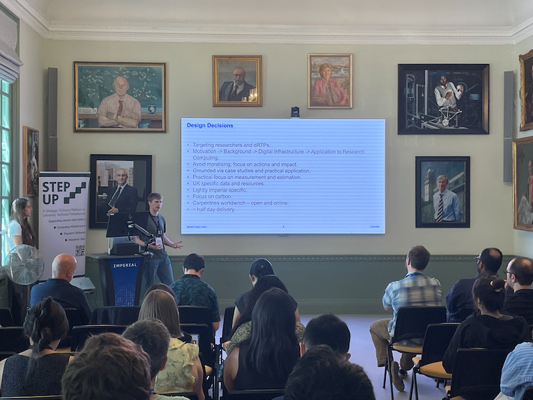
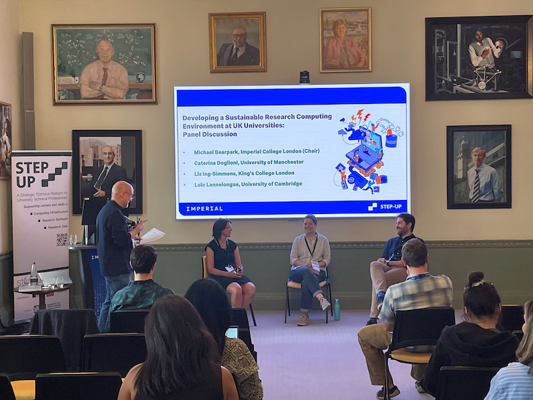
Working in partnership with the STEP-UP project for digital Research Technical Professionals (dRTPs), an all-day event “Developing a Sustainable Research Computing Environment at UK Universities” was held at Imperial on 24th July 2026. The event provided an opportunity to showcase the outcomes of this initiative alongside related work from across the sector, and to engage members of the Imperial community interested in sustainable research computing.
The Sustainable Research Computing project has proved to be a valuable initiative. The work identified opportunities to increase awareness and engagement within the Imperial community, providing openly-available materials for doing this, while also helping to raise Imperial’s profile within the international sustainable research computing landscape.
Project Lead: Jeremy Cohen
Project Team and External Collaborators: Michael Bearpark, Hannah Scott, Diego Alonso Alvarez, Christopher Cave-Ayland, Emily Lumley and Katerina Michalickova (Imperial College London); Rae Goddard (Paraphrase.studio); Andrew Turner (Edinburgh Parallel Computing Centre, University of Edinburgh)