Treating strokes: when time is of the essence, AI models prove to be twice as accurate.
Words: Peter Taylor-Whiffen
Context
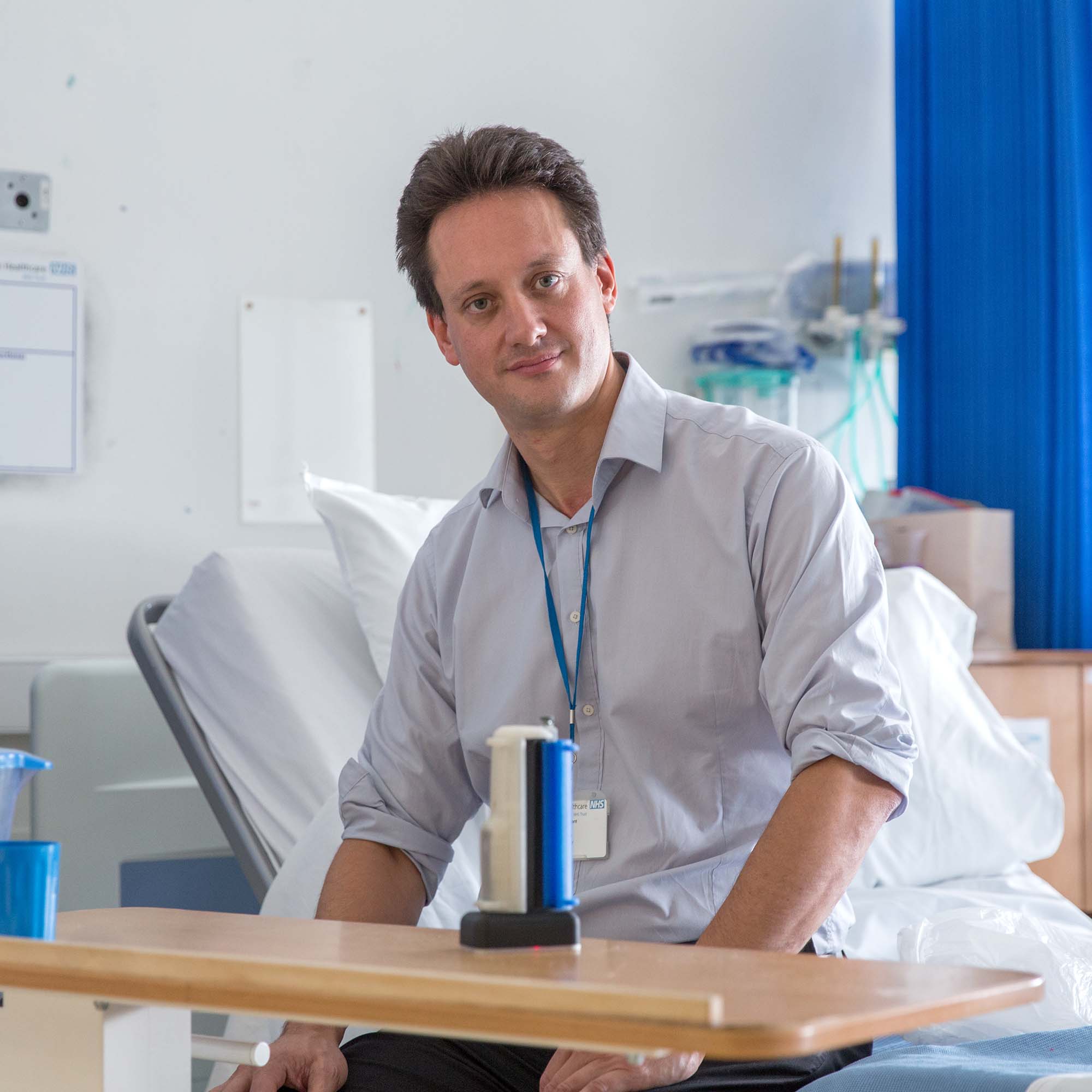 When someone suffers a stroke, timing of treatment is vital. Even the most efficacious drugs and procedures, if given too late, can do a patient serious harm – and can even be deadly. Until now, the best way to discover when a stroke occurred was by asking the patient or a relative. “But they often can’t tell you,” says Imperial College NHS Trust Consultant Neurologist Dr Paul Bentley, “if their speech has become impaired, for example, or they were asleep when it happened.” Accurate information could save lives.
Background
It’s not just elapsed time that points to the best treatment, but what Bentley calls the patient’s “biological clock”. “When a stroke happens and there’s a blockage, a sequence of events occurs that ultimately leads to tissue death,” he says. But the speed of that varies between patients, dependent on a range of physiological factors. “We wanted to see if AI could help us identify in much more detail the biological and chronological clocks to reveal when a stroke occurred and determine correct treatment.”
Method
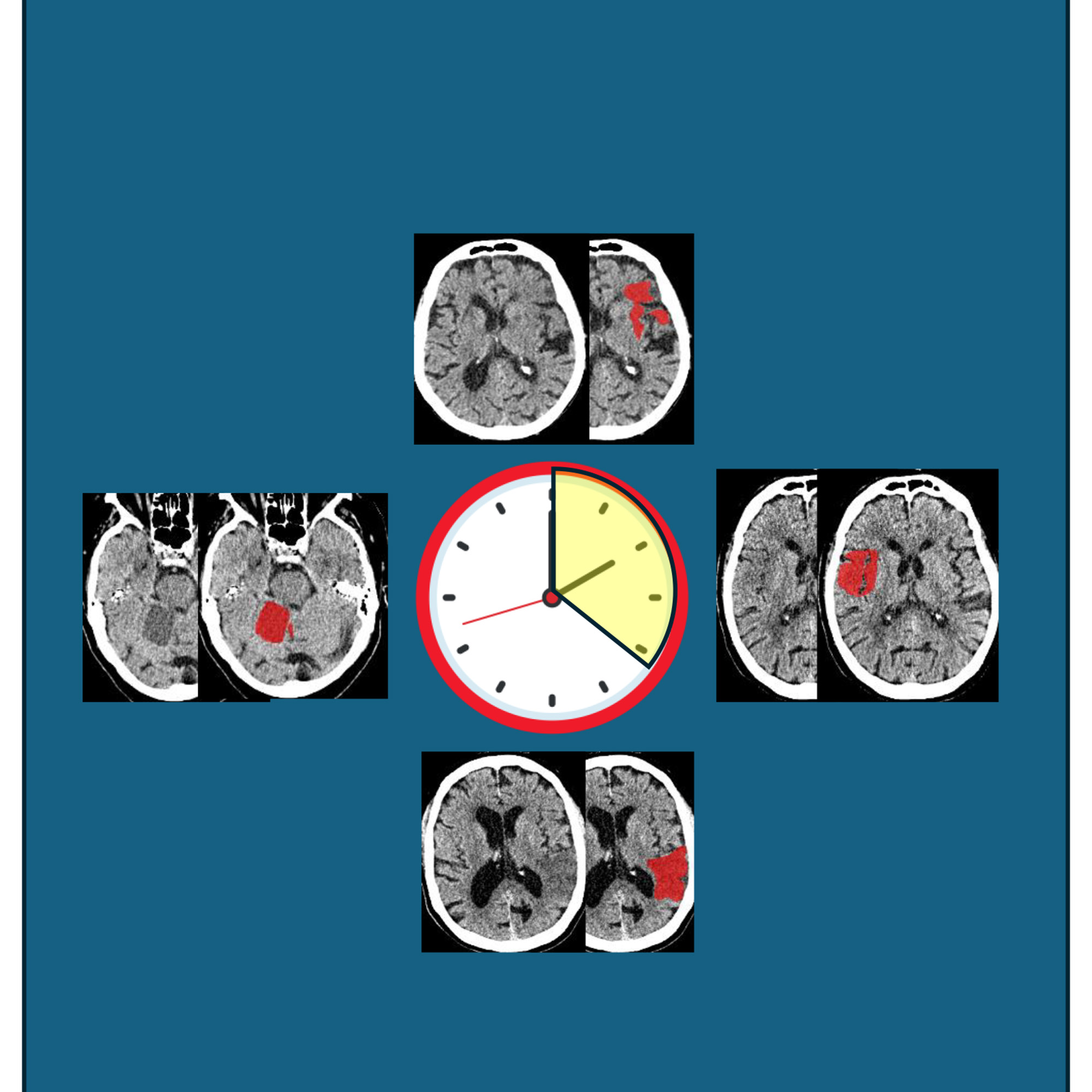
Bentley is also Clinical Director of the university’s Network of Excellence in Rehabilitation Technology, a cross-disciplinary network of biomedical scientists, clinicians, physical scientists and engineers. He led a team of researchers who trained an AI model with 780 separate CT scans, which showed a range of brain patterns at different times following a stroke. “The images are black and white and shades of grey,” says Bentley. “In the first minutes following the stroke, lesions are so faint as to be almost invisible, but then gradually get darker. This means in those crucial first few hours they can be missed
Findings
“The AI did what we expected, but significantly better than we’d hoped,” says Bentley. “We thought it was the intensity of the lesion that held most of the information, but actually the AI revealed that accounting for other imaging features can double the accuracy.”
Outcome
The model was twice as accurate at predicting the time of stroke onset – which, if used in practice, will reduce the risk of patients being given treatment at the wrong time. “Around 100,000 people annually in the UK suffer a stroke, of which around 10,000 are identified as eligible for these treatments,” says Bentley. “Accurately identifying the time of onset could increase this by about 50 per cent. We expect – and very much hope – that this model will be copied or developed by companies already producing similar types of clinical software, to piggyback on top of it. We think it’ll make a huge difference.”
Dr Paul Bentley is Clinical Director of the Imperial College Network of Excellence in Rehabilitation Technology.