Now is the time to act, says Professor Alison Holmes, Director of the Fleming Initiative
Words: Peter Taylor-Whiffen
The landscape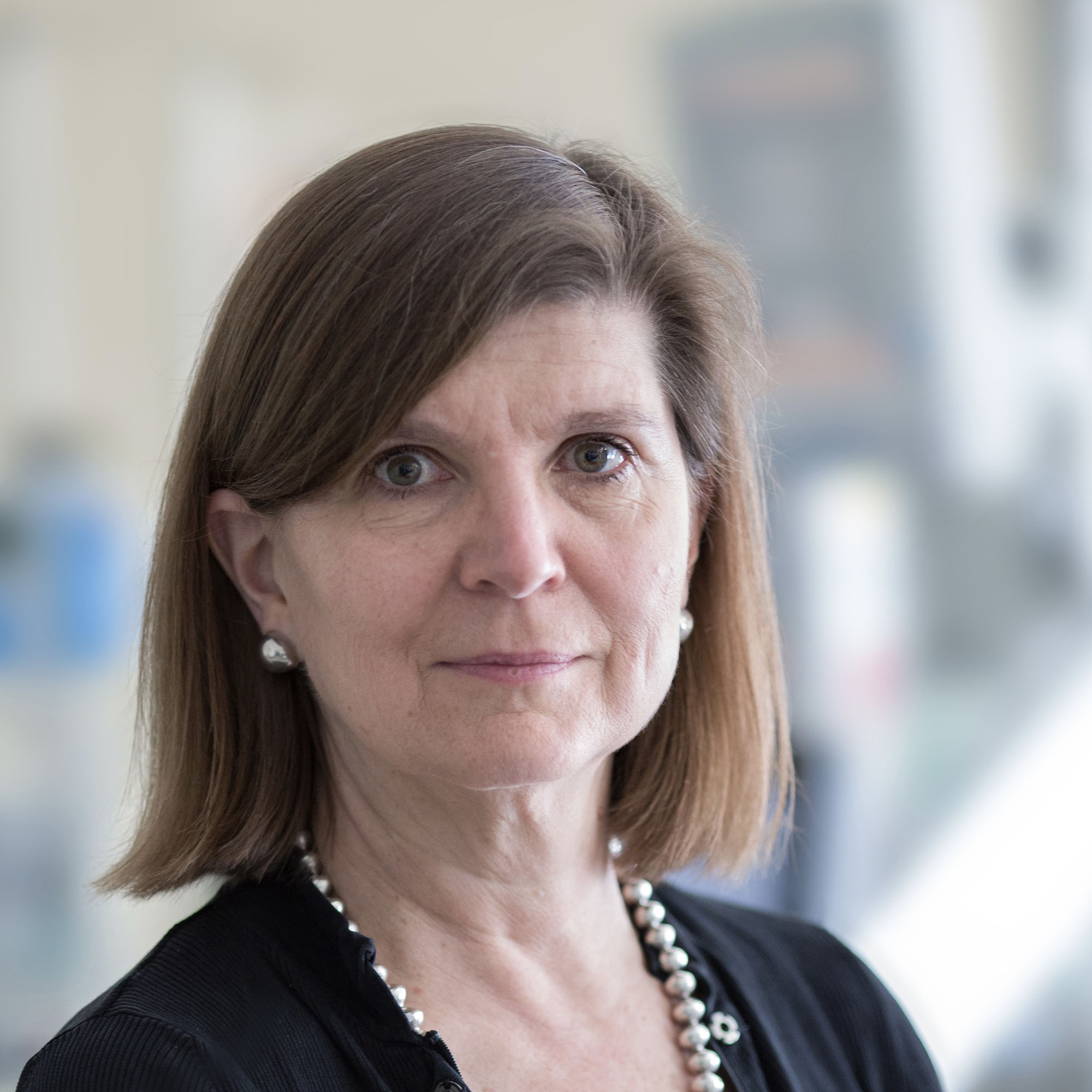
Humankind has always battled against disease – and over the centuries we have achieved remarkable success in eradicating and containing some of the world’s deadliest infections. One of the single most significant breakthroughs was Alexander Fleming’s discovery of the antibiotic penicillin in 1928, which won him a Nobel Prize and, much more importantly, revolutionised medicine.
However, infectious diseases mutate and evolve – with deadly effect. Around five million people die every year because of bacterial antimicrobial resistance, a human crisis that last year prompted the United Nations to set a target to reduce this figure by ten per cent by 2030. It is vital for us to constantly build on and share our knowledge in humans’ perennial battle to stay healthy.
The challenge
Overuse and misuse of antimicrobial drugs such as antibiotics have enabled micro-organisms to develop resistance to them – and this is accelerating. It means previously treatable common infections and infected injuries may once again become life-threatening, increasing the risk of spreading resistance, and making cures more challenging and expensive. “A vital part of minimising and mitigating the dangers of antibiotic resistance is the prevention of infections to start with,” says Professor Alison Holmes from Imperial’s Department of Infectious Diseases. “It is not just ensuring availability of effective treatment – patients, particularly, must be protected from any antibiotic-resistant infections during treatment or surgery.”
The solution
This is not just a medical issue, but a global societal one needing a societal solution. Imperial has therefore launched The Fleming Initiative, with Holmes as its inaugural director, to bring together research, behaviour change, public engagement and policy to keep antimicrobials working. Its fulcrum will be the Fleming Centre, a public space due to open in 2028 at St Mary’s Hospital in Paddington – the very site where Fleming made his gamechanging discovery 100 years ago.
The collaboration
“The Fleming Initiative will focus on five areas to bring people together for targeted action in 2025,” says Holmes. “The first is education – how to embed this knowledge into primary and secondary schools’ curricula right across the world. The second is diagnostics, the third is surveillance and use of data, and the fourth is around global shared learning regarding national action plans and policy. The last area is around developing global fellowships and exchange programmes to maintain and encourage the spread of this knowledge, and sustain talent and expertise.”
The Fleming Centre will develop pioneering collaborative research and innovative policy solutions – but also be a social space encouraging the public in to engage and learn. “It needs to be open, friendly and welcoming,” says Holmes. “It’s crucial people understand what we’re doing, why we’re doing it and how they can be involved. It’s about public health and society’s important role, so it’s vital the public are engaged. And although this is on Imperial’s doorstep, it’s a global facility – we all have a responsibility to each other. Philanthropy and partnerships will play a critical role too, not only in supporting research, but in helping people to get involved.”
The future
“The aim is that everyone – patients, families, the general public, health professionals, researchers, education leaders and policy makers – all understand why this is so important,” says Holmes. “I want to look back in years to come and say that The Fleming Initiative and the Fleming Centre made society healthier, made healthcare safer, food security better, and life expectancy longer. But more than that – hopefully we’ve created a much more equitable world in terms of access to effective antimicrobials and improved the health of people around the world.”
“The Fleming Initiative will focus on five areas to bring people together for targeted action in 2025,” says Holmes. “The first is education – how to embed this knowledge into primary and secondary schools’ curricula right across the world. The second is diagnostics, the third is surveillance and use of data, and the fourth is around global shared learning regarding national action plans and policy. The last area is around developing global fellowships and exchange programmes to maintain and encourage the spread of this knowledge, and sustain talent and expertise.”
The Fleming Centre will develop pioneering collaborative research and innovative policy solutions – but also be a social space encouraging the public in to engage and learn. “It needs to be open, friendly and welcoming,” says Holmes. “It’s crucial people understand what we’re doing, why we’re doing it and how they can be involved. It’s about public health and society’s important role, so it’s vital the public are engaged. And although this is on Imperial’s doorstep, it’s a global facility – we all have a responsibility to each other. Philanthropy and partnerships will play a critical role too, not only in supporting research, but in helping people to get involved.”
The future
“The aim is that everyone – patients, families, the general public, health professionals, researchers, education leaders and policy makers – all understand why this is so important,” says Holmes. “I want to look back in years to come and say that The Fleming Initiative and the Fleming Centre made society healthier, made healthcare safer, food security better, and life expectancy longer. But more than that – hopefully we’ve created a much more equitable world in terms of access to effective antimicrobials and improved the health of people around the world.”
To find out more about the work behind The Fleming Initiative, visit fleminginitiative.org