Dr Wareed Alenaini wants to transform the way
we use imaging data – and save lives in the process.
Interview: Megan Welford
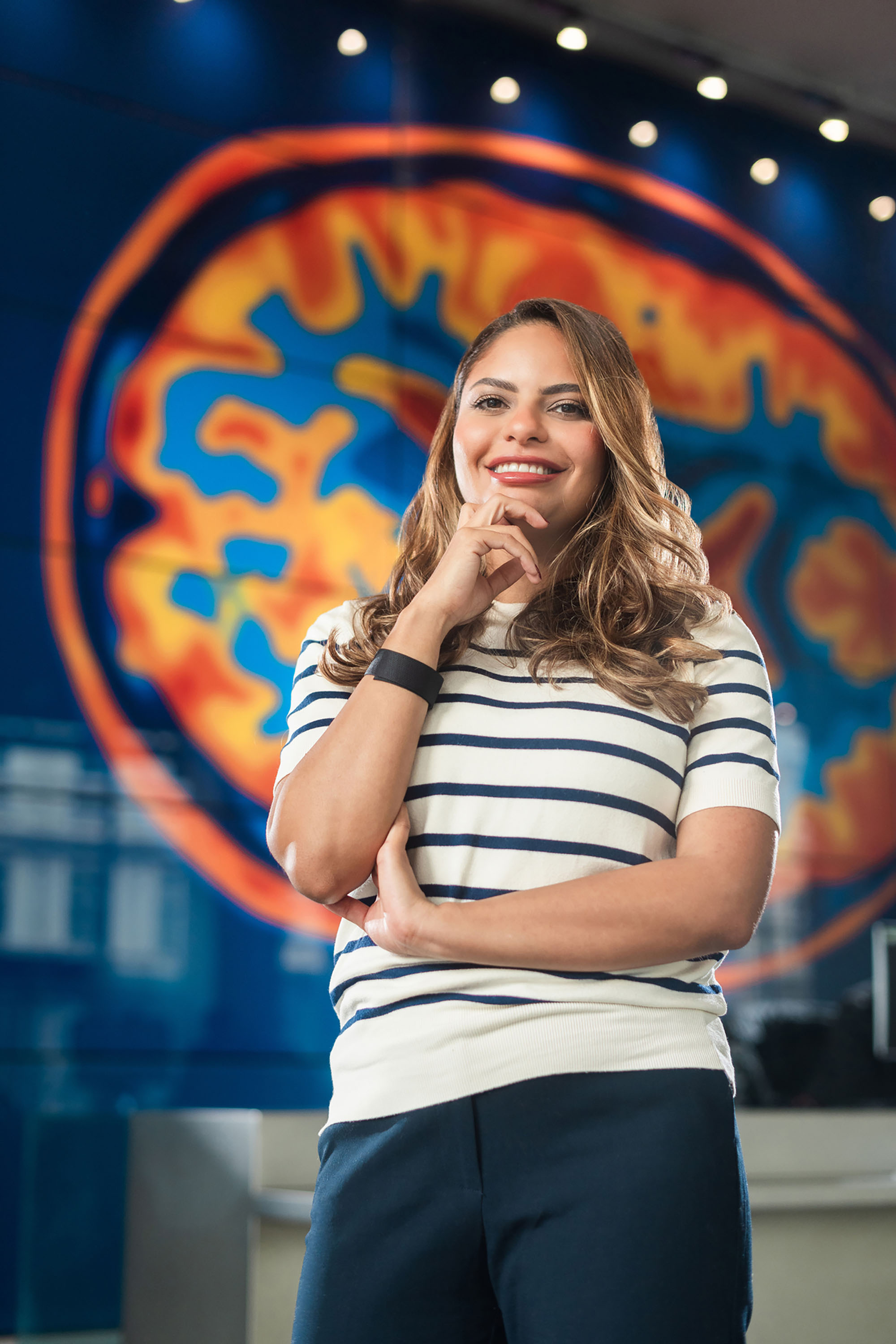 A big catalyst for my professional drive was losing my beloved father to a cancer that was diagnosed far too late. It gave real purpose to the research I’d been doing at Imperial into the use of non-invasive technologies in the early detection of diseases, and specifically bioimaging. Now, my company Twinn Health aims to add an average of 20 years to a person’s lifespan by spotting signs of disease at the first opportunity, before symptoms appear.
The problem with existing technologies, such as MRI, is their relative inaccessibility: an MRI scan is expensive, but that’s not because of the equipment – it’s the doctor’s time spent reviewing the 150 or so images each scan produces to find the thing they are looking for. The fact is that when you do an MRI it’s usually for a particular diagnosis – kidney stones, for example – and the rest of the data is discarded, which is such a waste.
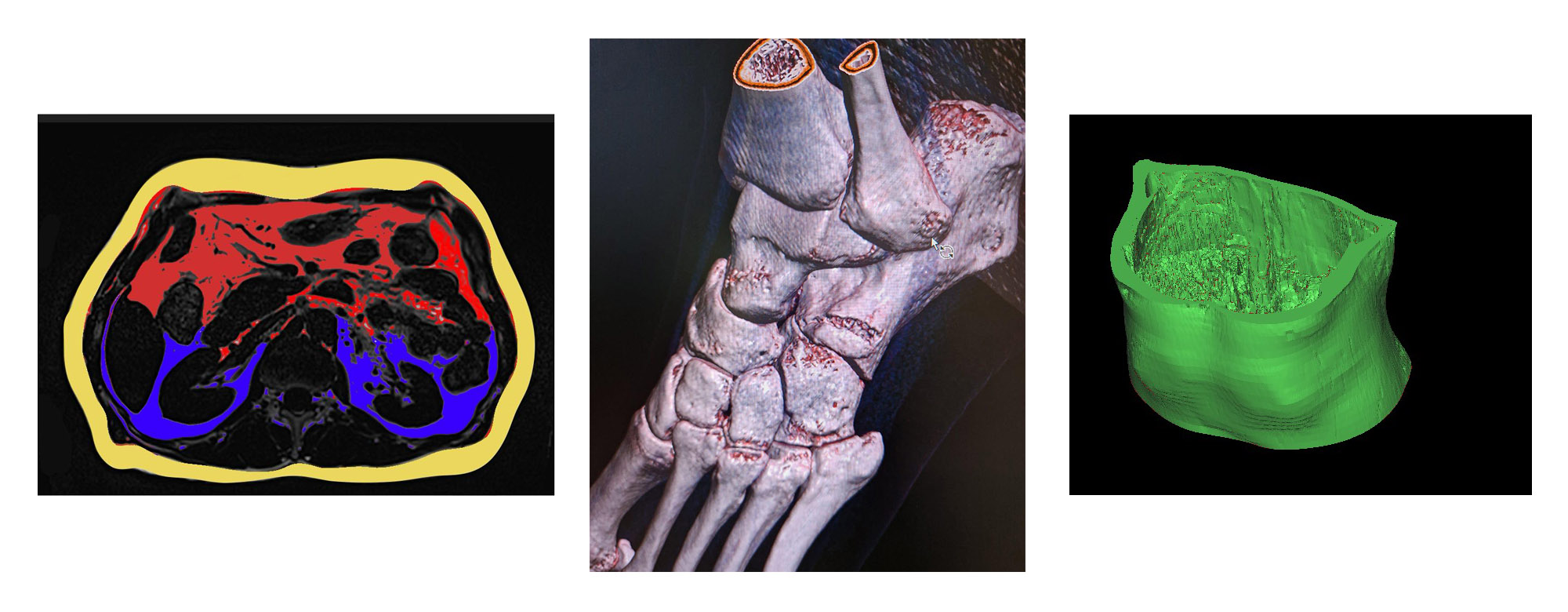
Instead, our AI technology reviews the entire body scan and, using things like heat imagery and analysis of the texture of organs and the cell location within the organ, gives a person’s risk score for a range of diseases. The idea is to build a platform that can not only connect multiple stakeholders, but also provide additional value from the current assets that every hospital has – and is going to waste.
These images are in every archive and are massively valuable, yet nobody’s getting any value out of them. Our bioimaging technology has many benefits – it increases the accuracy of metabolic assessment, reduces variations between individual physicians, improves clinical management decision-making and saves healthcare providers costs from late diagnosis. Our mission is to unlock the true potential of imaging data to improve health outcomes and prevent multiple diseases with a single MRI scan.
More generally, I’m driven by a desire to extend the time people get to spend with their loved ones, something that comes from being part of a close family myself. My mom brought up seven children while working full time as a high school principal back home in Saudi Arabia, and that is a huge inspiration to me. It helps me stay focused, as does exercise and keeping fit, which helps to keep my energy up.
I also like to travel, because it exposes me to new ideas, industry trends and potential partnerships. For instance, I met my co-founder Chris Mosedale at a venture capital meet-up in London, where we talked non-stop about commercialising, something I’m delighted to say we’ve now achieved.
It’s also incredibly gratifying to me that our achievements have been acknowledged – in February we won the Saudi Biotech Pitchfest award at Hevolution Foundation’s Global Healthspan Summit, and picked up a cash award from the King Abdullah University for Sciences and Technology’s startup accelerator, Taqadam.
On a personal level, winning Imperial’s Emerging Alumni Leader Award 2024 was incredibly special because, for a girl from a small village in Saudi Arabia, getting that award proves that hard work pays off. Twinn Health is a company founded on values, and every advance we make is a reminder of our commitment to help people enjoy long, healthy lives.
Dr Wareed Alenaini (MRes Chemistry 2014) is the founder of biotechnology company Twinn Health and winner of Imperial’s Emerging Alumni Leader Award 2024.