Why conduct research with us
We provide an unparalleled translational training environment bridging clinical medicine and cutting-edge bioengineering.
Dual clinical-engineering supervision
Every fellow receives joint academic and clinical guidance from consultant physicians and senior biomedical engineering faculty across Imperial College London.
Doctoral completion record
Consistent MD(Res) and PhD completion record with doctoral theses archived in the Imperial Spiral repository and published in leading medical and bioengineering journals.
Flagship laboratory facilities
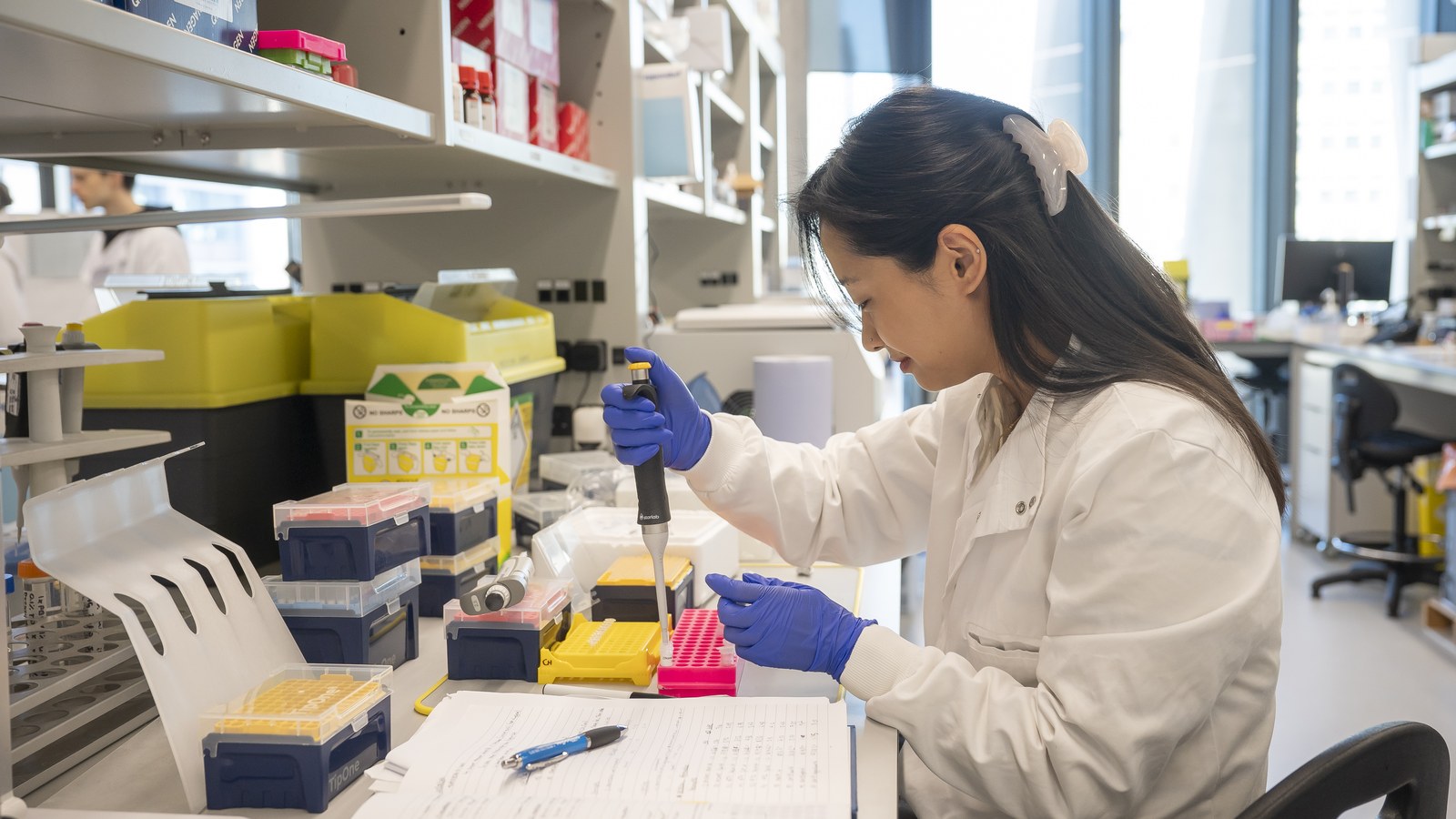
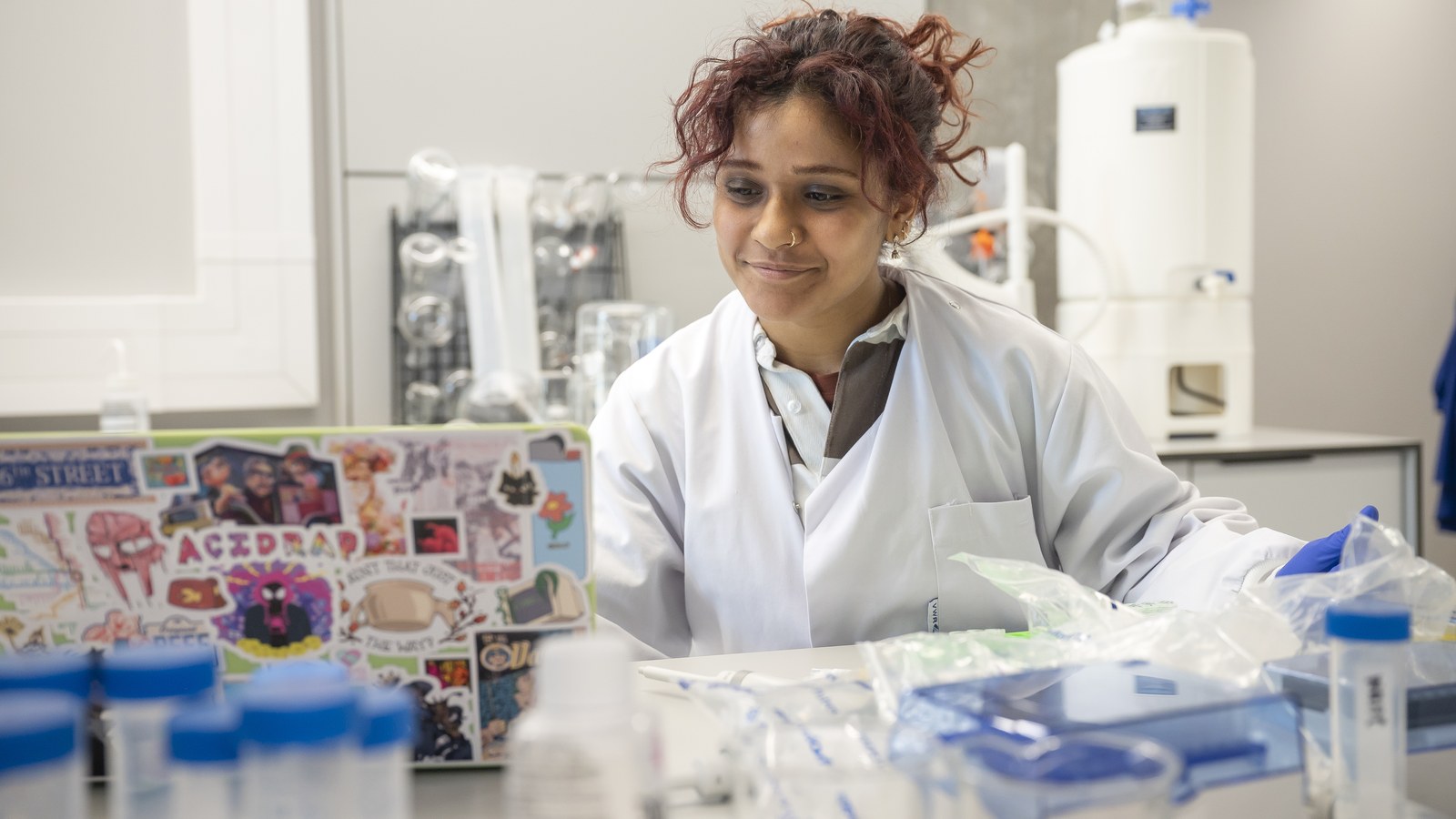
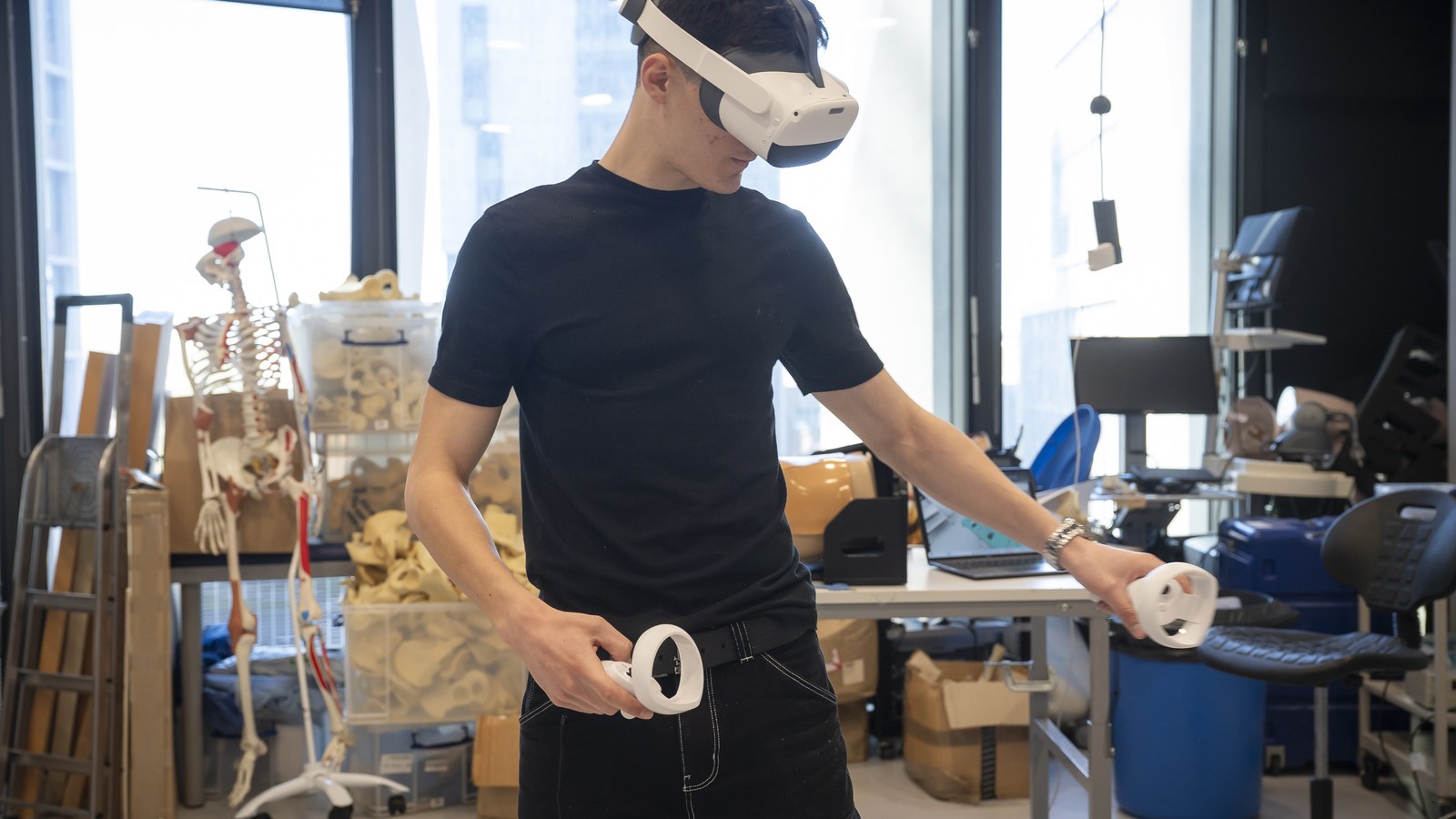
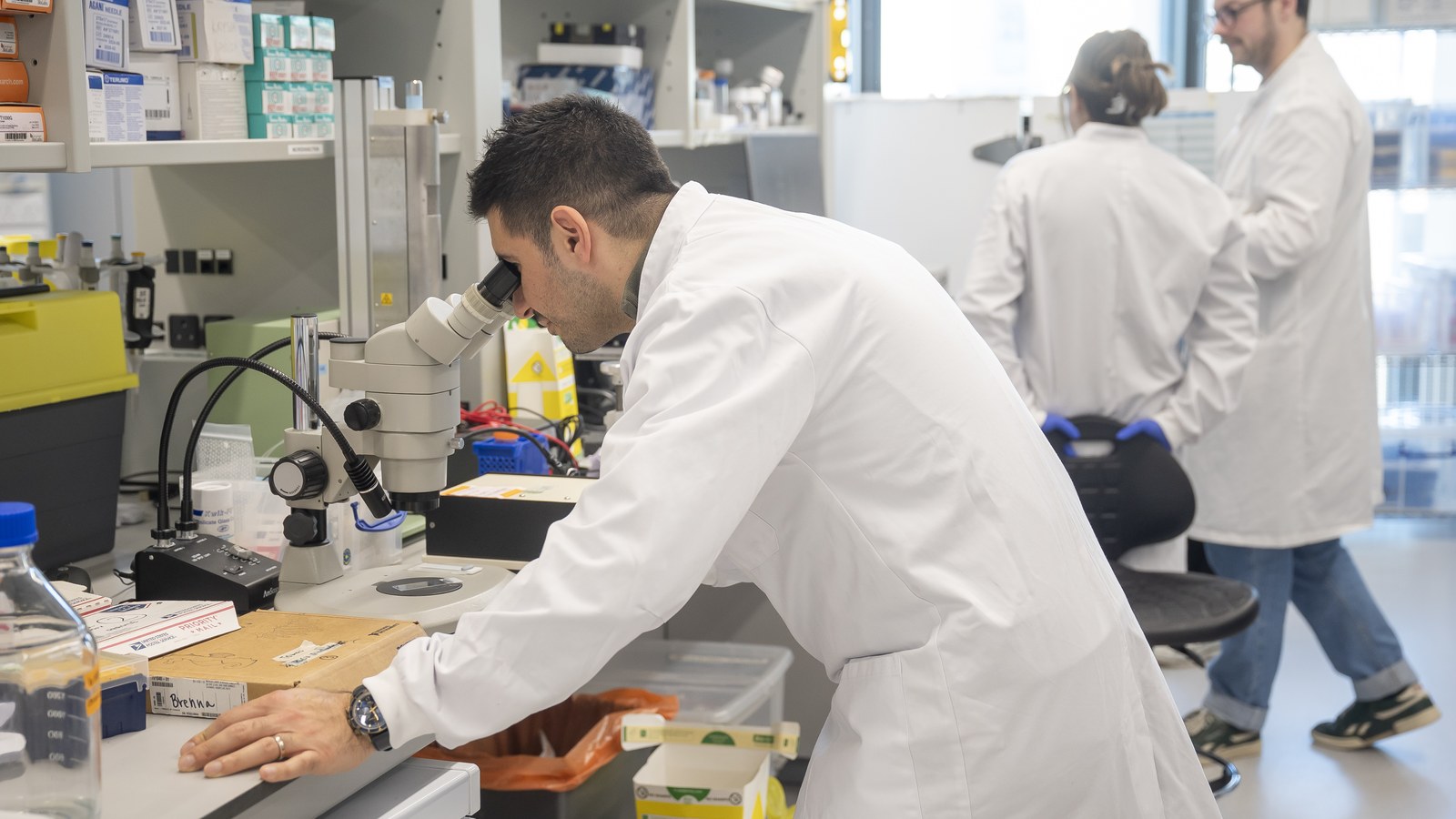
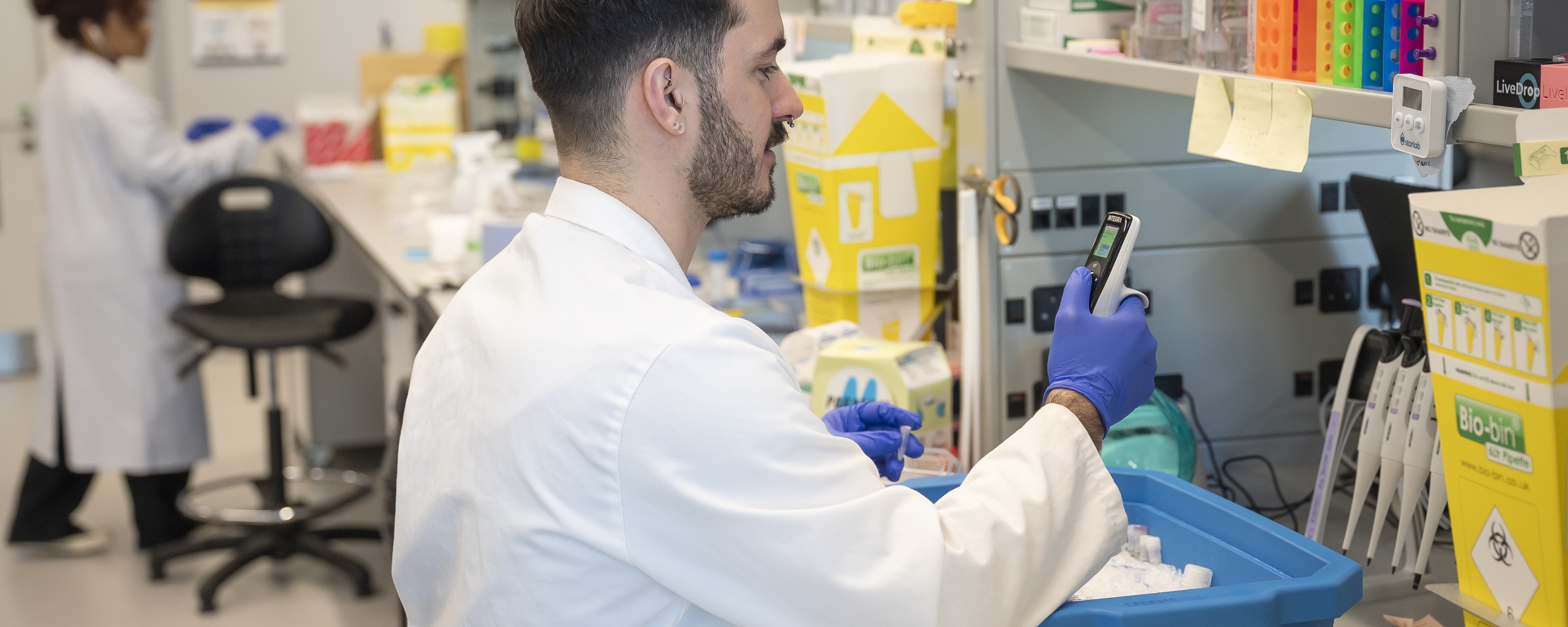
Direct daily access to 6th floor Sir Michael Uren Hub analytical suites, spectrometry instrumentation, gait analysis facilities, and device fabrication benches.
NHS bedside trial access
Active bedside clinical recruitment across St Mary’s Major Trauma Centre, Charing Cross Hospital, and Hammersmith Hospital structural cardiology services.
Candidate pathways
Select your entry route to view candidate eligibility, degree structures, and core research opportunities.
Clinical research fellowships (MD(Res) / PhD / OOPR)
Tailored Out-of-Programme Research (OOPR) clinical fellowships leading to an MD(Res) (2 years) or PhD (3 years) awarded by Imperial College London.
Fellows lead bedside clinical trials across Imperial College Healthcare NHS Trust hospitals while co-designing diagnostic technologies and physiological sensors at the Sir Michael Uren Hub.
- Degree: MD(Res) (2 years) or PhD (3 years)
- Supervision: Prof Michael Fertleman and Department of Bioengineering faculty
- Clinical site: St Mary’s Major Trauma Centre, Charing Cross, or Hammersmith
- Outputs: First-author clinical trial publications and spiral repository archiving
Bioengineering doctoral researchers (PhD)
Doctoral research posts based primarily in the Department of Bioengineering at the White City Innovation Campus, focusing on translational medical devices and physiological computing.
Candidates collaborate with consultant geriatricians and surgeons to validate in-ear EEG neurotelemetry, biofluid mass spectrometry, CT sarcopenia AI, and kinematics sensors.
- Degree: PhD in Bioengineering (3–4 years)
- Location: Sir Michael Uren Hub, White City Innovation Campus
- Facilities: Rapid prototyping, mass spectrometry, motion capture lab
- Outputs: Device patents, engineering manuscripts, and open-source models
Bioengineering undergraduates and research electives (BEng, MEng)
Short-term and intercalated research attachments for Imperial Bioengineering undergraduates, pioneering patient-centred device design directly on acute geriatric surgical wards.
Students engage in clinical audits, bedside data collection, physiological signal processing, and medical device evaluation alongside clinical fellows and bioengineers.
- Placement: Intercalated BEng/MEng project or summer research placement
- Focus: Bedside device co-design, clinical audits, and trial co-authorship
- Mentorship: Senior clinical fellows and postgraduate researchers
- Recognition: Conference abstract submissions and peer-reviewed co-authorship
How to apply
Our four-stage admissions process from initial exploratory discussion to registry enrolment.
Explore research pillars
Review our four translational research pillars (in-ear EEG, delirium metabolomics, cardiac frailty, and joint arthroplasty) to identify your preferred clinical or bioengineering focus.
Confirm eligibility
Ensure you meet the prerequisite criteria before proceeding. Clinical applicants must hold a UK National Training Number up to ST4 only. Bioengineering applicants must have an existing background with Imperial.
Prepare application dossier
Assemble your academic CV, a one-to-two page research concept note outlining your clinical or engineering interests, and contact details for two professional referees.
Make initial contact and scope project
Submit your dossier to initiate contact. Clinical applicants may reach out directly, while bioengineering candidates must have their proposed supervisor contact the group on their behalf. You will then meet informally with Prof Michael Fertleman or Dr Louis John Koizia to outline the project scope, funding options, prospective co-supervisors, and clinical timelines.
Submit your application or research enquiry
Prospective clinical research fellows, doctoral applicants, and student researchers are encouraged to contact our academic and administrative leads directly. We welcome early expressions of interest throughout the academic year.
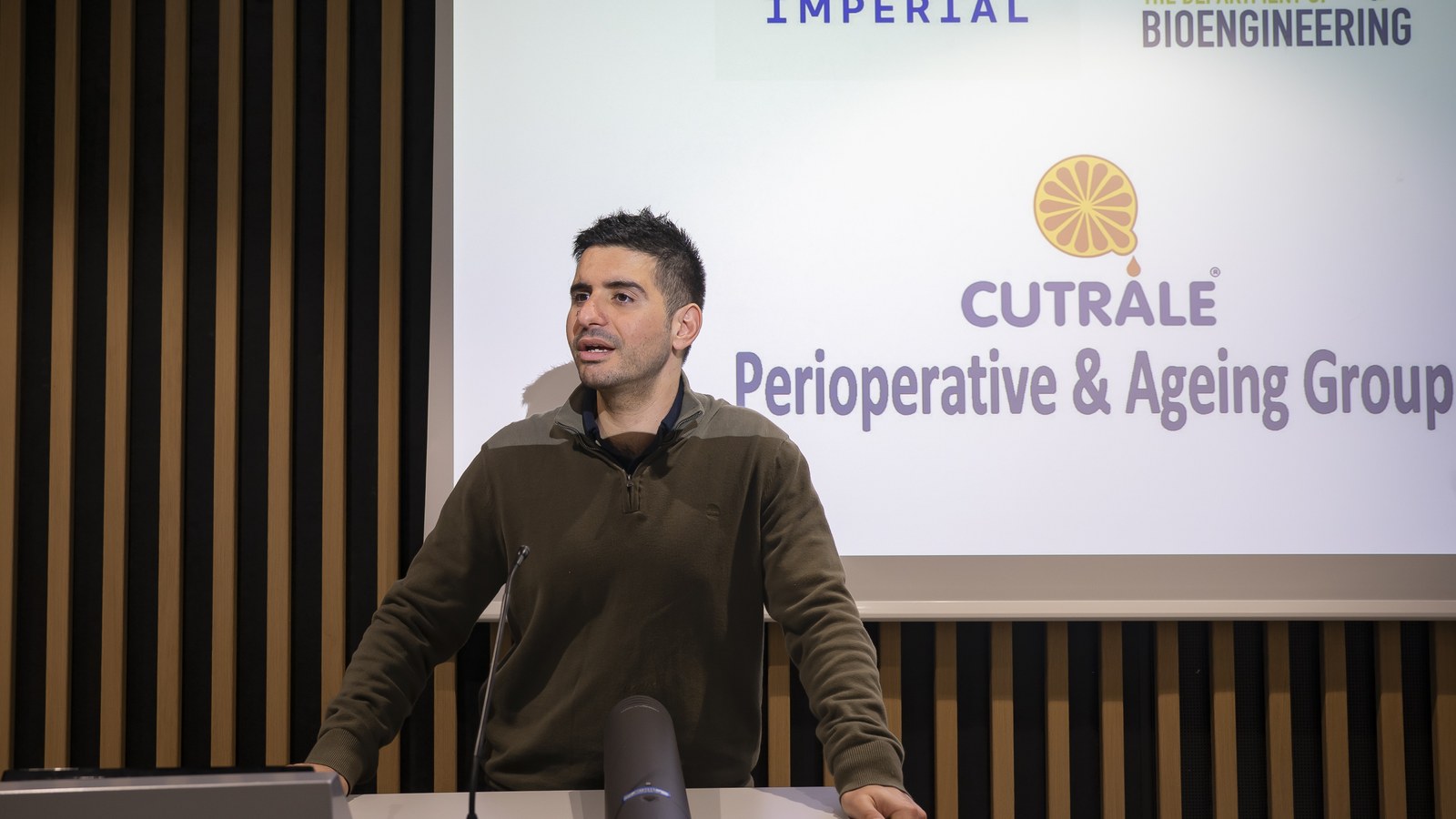
Consultant Physician & Professor of Practice. Contact for research concept guidance, fellowship supervision, and clinical trial alignment.
Email Prof Michael Fertleman regarding clinical fellowshipsGroup Administrator. Contact for application dossier submissions, NHS R&D research passports, and university registration procedures.
Email Mrs Shelley Brier regarding admissionsPlease include the following in your initial correspondence:
- Comprehensive academic CV
- 1–2 page research concept note
- Two academic or clinical referees
Sir Michael Uren Hub research laboratories
A tour of our 6th floor translational laboratory suites, instrumentation stations, and clinical testing spaces at the White City Innovation Campus.